

Political Tension Escalates in Thane as Shiv Sena Factions Clash During Elections
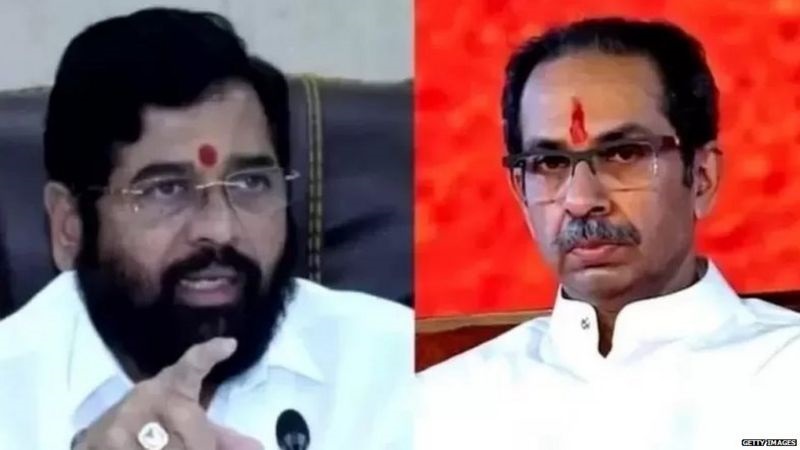
Thane, a key political battleground in Maharashtra, witnessed high political drama after a scuffle broke out between workers of the Shiv Sena (Shinde faction) and leaders who had earlier separated from the same faction and were contesting the elections as independent candidates. The incident has once again highlighted the deepening internal rifts within Maharashtra’s political landscape and raised serious questions about discipline, law and order, and the future unity of regional politics.
What Happened in Thane?
According to eyewitnesses and local sources, tensions flared during election-related campaigning in parts of Thane when supporters of the Shiv Sena (Shinde faction) came face to face with former party colleagues who had decided to contest the polls independently. What began as a verbal confrontation quickly escalated into a physical scuffle, with shouting, pushing, and heated exchanges dominating the scene.
The incident reportedly took place in a crowded public area, creating panic among local residents and disrupting normal activity. Police personnel were soon deployed to control the situation and prevent further escalation. No serious injuries were reported, but the clash has become a major talking point in Maharashtra’s political circles.

Background: The Shiv Sena Split
To understand the roots of the Thane scuffle, one must look at the larger political split within the Shiv Sena. The party, once united under a single leadership, experienced a historic division following ideological differences and power struggles. The emergence of the Shiv Sena (Shinde faction) reshaped Maharashtra’s political dynamics, leading to realignments, defections, and internal conflicts.
While many leaders and workers joined the Shinde faction, several others later felt sidelined or disagreed with the leadership’s direction. These dissatisfied members chose to part ways and contest elections as independents, setting the stage for confrontations on the ground.
Why Thane Is Politically Sensitive
Thane has long been considered a stronghold of the Shiv Sena. It is not just an urban center but a symbol of the party’s grassroots influence and organizational strength. Any conflict in Thane carries political significance, as it reflects internal stability—or the lack of it—within the party structure.
The scuffle in Thane underscores how factionalism can weaken a party’s grassroots network. When former allies turn into rivals, electoral contests become emotionally charged, often spilling over into confrontations.
Independent Candidates vs Party Machinery
Independent candidates emerging from within party ranks often pose a unique challenge. They understand the organizational structure, voter base, and local issues better than outsiders. In this case, the independents were once part of the Shiv Sena (Shinde faction), making the rivalry even more intense.
For the ruling faction, independents are seen as vote-splitters who could weaken the party’s chances. For the independents, the election is about reclaiming political relevance and proving their personal influence among voters.
Role of Party Workers
Party workers form the backbone of any political organization. Their loyalty, discipline, and conduct directly shape public perception. The clash in Thane has raised concerns about the behavior of political cadres and the need for stronger internal control.
Political analysts argue that when leadership struggles to manage internal dissent, it often manifests at the grassroots level. Workers, driven by emotions and loyalty, sometimes cross boundaries, leading to incidents like the one witnessed in Thane.
Police Response and Law & Order
Local police acted swiftly to control the situation and disperse the crowd. Additional forces were deployed to prevent further clashes, and authorities have reportedly begun reviewing CCTV footage to identify those involved.
The incident has once again brought the issue of election-time law and order into focus. Ensuring peaceful elections is a critical responsibility of the administration, especially in politically sensitive regions like Thane.
Reactions From Political Leaders
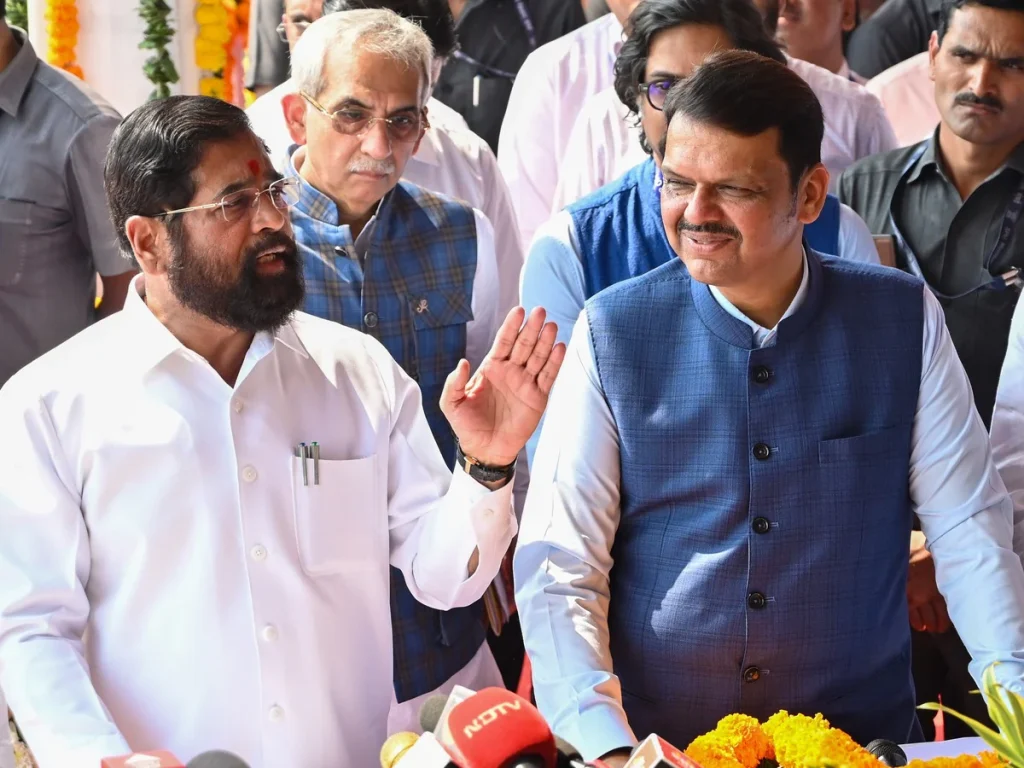
While official statements from senior leaders of the Shiv Sena (Shinde faction) urged workers to maintain discipline, opposition parties were quick to criticize the incident. They accused the ruling establishment of fostering a culture of intolerance and internal chaos.
Independent candidates involved in the clash claimed that they were being intimidated and targeted for contesting against the party-backed candidates. They alleged misuse of influence and demanded impartial action from the authorities.
Impact on Voters
For voters, such incidents can be disheartening. Many residents expressed concern over the growing aggression in politics, especially during elections. Instead of focusing on development issues, employment, infrastructure, and civic problems, political discourse often gets overshadowed by power struggles and confrontations.
Incidents like the Thane scuffle risk alienating undecided voters, who may view all political factions as equally responsible for deteriorating standards of public behavior.
Electoral Consequences
From an electoral perspective, the scuffle could have mixed consequences. While core supporters may remain loyal, neutral voters might reassess their choices. Sympathy for independent candidates could grow if they are perceived as victims of intimidation.
At the same time, repeated internal conflicts could weaken the Shiv Sena (Shinde faction)’s claim of being a stable and disciplined political force.
A Reflection of Larger Political Trends
The Thane incident is not an isolated event but part of a broader trend in Indian politics, where factionalism within parties leads to public confrontations. As politics becomes more competitive, internal dissent is increasingly visible on the streets rather than being resolved through dialogue.
This trend raises important questions about internal democracy within political parties and the mechanisms available to address grievances without resorting to conflict.
Media and Public Perception
Visuals and reports of the scuffle quickly spread across television channels and social media platforms. Such images can significantly damage a party’s image, especially among young and first-time voters who expect maturity and issue-based politics.
The narrative surrounding the incident may continue to influence public opinion until polling day, making damage control a priority for all involved sides.
The Need for Political Maturity
Political maturity is tested most during elections. Leaders must ensure that competition does not turn into confrontation. The responsibility lies not only with party workers but also with senior leadership to set clear guidelines and enforce discipline.
Dialogue, negotiation, and democratic processes should replace intimidation and street-level clashes if parties wish to maintain credibility.
What Lies Ahead?
As elections progress, authorities are likely to increase security measures in sensitive areas of Thane. Political parties may also intensify internal monitoring to prevent further incidents.
For the Shiv Sena (Shinde faction), the challenge will be to contain internal dissent and project unity. For independent candidates, the focus will be on reaching voters with their message while navigating a charged political environment.
Conclusion
The scuffle in Thane between Shiv Sena (Shinde faction) workers and former members contesting as independents is a stark reminder of how internal divisions can spill into public disorder. While no serious injuries were reported, the incident has political, social, and electoral implications.
As Maharashtra watches closely, the hope remains that the rest of the election process will unfold peacefully. Ultimately, democracy thrives not on confrontation but on debate, choice, and the collective will of the people. Political parties and leaders must rise above factional conflicts to ensure that elections remain a celebration of democratic values rather than a display of internal discord.
Read More latest news

