
Satua Baba’s Controversial Statement on Sanatan and Speed: Faith, Power, and the Politics of Symbolism
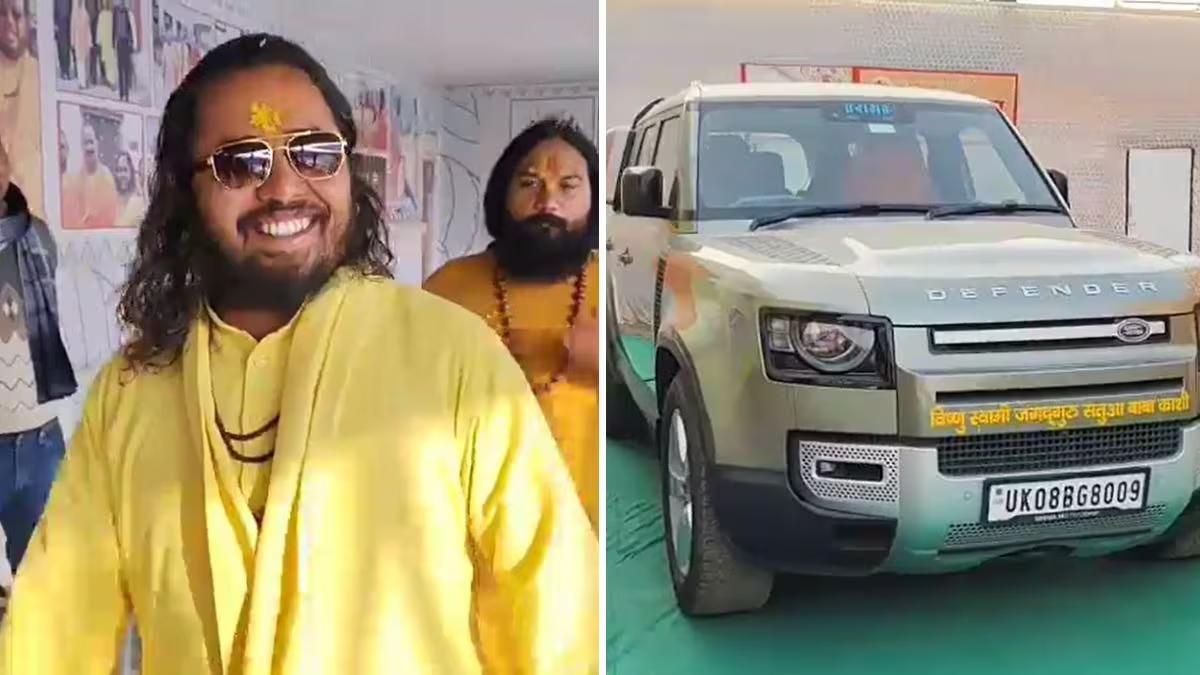
In recent times, Satua Baba has repeatedly remained in the headlines, not only for his spiritual discourses but also for his lifestyle, which often sparks debate across social, political, and religious circles. Known for moving in luxury cars and making sharp, provocative statements, Satua-Baba once again grabbed national attention after delivering a powerful and controversial remark linking the idea of Sanatan Dharma with speed and force.
Referring to Sanatan and the symbolism of speed, Satua Baba stated, “Now whoever tries to stop the speed of Sanatan will be crushed by the speed of these cars.” This one sentence was enough to ignite intense discussion—ranging from support among his followers to criticism from intellectuals, opposition leaders, and social commentators.
This blog takes a deep dive into Satua-Baba, his statement, its broader meaning, the symbolism behind luxury and speed, and how such remarks reflect the changing nature of religious leadership in modern India.
Who Is Satua Baba?
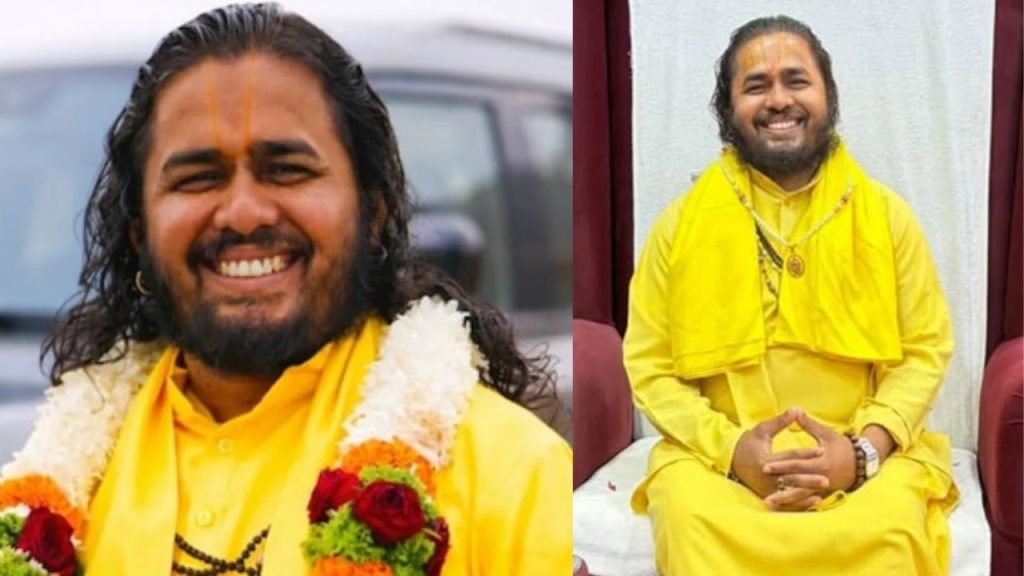
Satua Baba is a self-styled religious figure who has built a strong following through bold speeches, viral video clips, and a carefully crafted public image. Unlike traditional saints who project simplicity and detachment from material wealth, Satua-Baba represents a new-age spiritual persona—one that blends religion, power, assertiveness, and visible prosperity.
Supporters of Satua-Baba argue that he represents a confident and unapologetic Sanatan identity in a rapidly changing world. Critics, however, accuse him of promoting aggression, materialism, and political messaging under the guise of spirituality.
Regardless of opinion, one fact remains undeniable: Satua-Baba knows how to command attention.
Luxury Cars and the Image of Power
One of the most talked-about aspects of Satua-Baba’s public life is his love for luxury cars. From high-end SUVs to premium sedans, his convoy has often gone viral on social media. These visuals challenge the long-held belief that spiritual leaders must live ascetic lives.
According to followers of Satua Baba, these cars are not symbols of greed but symbols of strength and modernity. They argue that Sanatan Dharma has always adapted to time, and in today’s era, power and speed are forms of expression.
Critics, on the other hand, question the contradiction between spirituality and opulence. They ask whether faith should be associated with expensive machines and aggressive symbolism.
This contradiction is central to understanding the controversy around Satua-Baba.

The Statement That Sparked the Debate
When Satua Baba said, “Whoever tries to stop the speed of Sanatan will be crushed by the speed of these cars,” the remark instantly became a flashpoint.
Supporters interpreted it metaphorically. According to them, Satua Baba was speaking about the unstoppable momentum of Sanatan Dharma and warning those who attempt to suppress or ridicule Hindu traditions.
Critics interpreted the statement literally and dangerously. They accused Satua-Baba of encouraging intimidation, glorifying violence, and using religious sentiment to justify threats.
The statement raised an important question:
Is Satua Baba speaking in metaphors of resistance, or is he deliberately using aggressive language to consolidate influence?
Sanatan Dharma and the Idea of Speed
Sanatan Dharma is often described as eternal, timeless, and unchanging. Traditionally, it emphasizes patience, balance, and spiritual evolution rather than speed. However, Satua-Baba redefines this concept by associating Sanatan with momentum, acceleration, and unstoppable force.
According to Satua Baba, Sanatan is not stagnant. It is dynamic, evolving, and powerful. In his worldview, speed represents progress, assertion, and resilience in the face of opposition.
This reinterpretation resonates with a section of society that feels Sanatan values have been ignored or undermined in modern discourse. For them, Satua-Baba becomes a voice of assertive revival rather than silent endurance.
Supporters Perspective A Voice of Resistance
Followers of Satua-Baba believe his statement reflects frustration against years of cultural marginalization. They argue that Sanatan Dharma has often been portrayed as regressive, while other ideologies were promoted as progressive.
For them, Satua-Baba symbolizes resistance. His luxury cars, strong language, and unapologetic stance are seen as tools to reclaim dignity and confidence.
Many supporters say that Satua Baba is not threatening individuals but warning ideologies that aim to weaken Sanatan traditions. To them, speed is symbolic of awakening and unity.

Critics’ Perspective: Dangerous Rhetoric
On the other side, critics view Satua Baba’s words as deeply troubling. They argue that associating religion with crushing opponents creates an atmosphere of fear rather than faith.
Intellectuals and activists have pointed out that spiritual leaders hold moral responsibility. When Satua Baba uses language of force, it risks normalizing aggression in the name of religion.
Some critics have even demanded legal scrutiny, questioning whether such statements violate laws related to hate speech or public safety.
Media Amplification and Viral Culture
In the age of social media, statements like those made by Satua-Baba spread faster than ever. Short video clips, edited reels, and dramatic headlines amplified the impact of his words.
Supporters shared clips praising Satua-Baba as fearless. Critics shared the same clips as evidence of extremism. News channels debated the issue endlessly, ensuring that Satua-Baba remained at the center of public discourse.
This cycle of outrage and support reflects how modern media transforms religious figures into political and cultural influencers.
Religion, Power, and Modern India
The controversy around Satua Baba is not just about one man or one statement. It reflects a broader transformation in Indian society, where religion increasingly intersects with power, identity, and public assertion.
Traditional saints focused on inner transformation. Figures like Satua Baba focus on outer assertion. This shift raises important questions about the future of religious leadership.
Will spirituality become more aggressive and symbolic of dominance?
Or will society demand a return to humility and inclusiveness?
Political Undercurrents
Though Satua Baba does not openly identify as a politician, many observers believe his statements carry political undertones. Sanatan Dharma has become a central theme in contemporary political debates, and voices like Satua Baba often influence public sentiment.
By linking Sanatan with speed and unstoppable force, Satua Baba positions himself within a narrative of cultural resurgence. This appeals strongly to youth who seek pride, identity, and strength.
At the same time, it raises concerns about polarisation and the use of religion for political mobilisation.
Symbolism of Cars: More Than Machines
For Satua Baba, cars are not just vehicles. They are symbols—of progress, dominance, and presence. Speed, in his rhetoric, represents inevitability.
In a society where power is often displayed through visuals, Satua Baba’s convoy becomes a moving message. Supporters see confidence. Critics see intimidation.
This dual interpretation keeps Satua Baba relevant and controversial.
The Larger Debate: Faith or Force?
At its core, the debate around Satua Baba boils down to one fundamental question:
Should faith inspire reflection or fear?
Supporters argue that Satua Baba inspires pride and courage.
Critics argue that he promotes fear and confrontation.
Both sides agree on one thing—Satua Baba has successfully sparked a national conversation.
Conclusion: A Reflection of Our Times
Satua Baba is not just a spiritual figure; he is a reflection of the times we live in. His statement about Sanatan and speed highlights the tension between tradition and modern assertion, between spirituality and power.
Whether one agrees or disagrees with Satua Baba, his influence cannot be ignored. He represents a new form of religious leadership—bold, visible, controversial, and deeply intertwined with identity politics.
As debates continue, society must decide how it wants faith to be expressed:
as a force that unites through wisdom, or as a force that asserts through speed.
One thing is certain—Satua Baba will continue to remain in the headlines, driving conversations as fast as the cars he so proudly associates with his message.
Read more Latest news

