

Chief Minister Rekha Gupta’s Big Push: A Decisive Meeting on Delhi’s Pollution and Traffic Crisis.
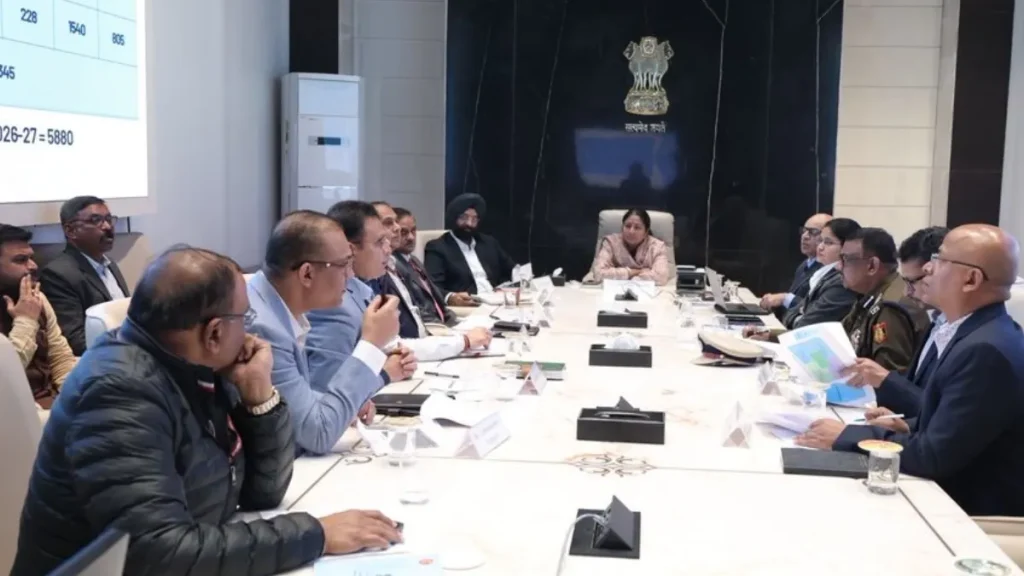
Rekha Gupta held a major meeting regarding Delhi pollution and traffic control. The national capital has once again reached a crucial turning point as Chief Minister Rekha Gupta convened a high-level meeting to address two of the most persistent urban challenges facing the city—environmental degradation and traffic mismanagement. The meeting, attended by senior officials from transport, environment, police, and municipal departments, reflected the government’s growing urgency to tackle Delhi pollution with a structured, enforceable, and people-centric approach.
For years, citizens have complained that policy discussions often remain confined to files and press conferences. This time, however, the Rekha Gupta government attempted to send a clear message: enforcement, accountability, and coordination will define the new strategy. With vehicular emissions emerging as a major contributor to Delhi pollution, traffic control and public transport regulation became the focal points of the discussion.
Why the Meeting Was Crucial
Every winter, headlines are dominated by hazardous air quality, school closures, and health advisories. But officials in the meeting acknowledged that Delhi pollution is no longer a seasonal phenomenon—it has become a year-round crisis. From rising asthma cases to reduced productivity, the socio-economic cost of environmental neglect has reached alarming levels.
Chief Minister Rekha Gupta emphasized that blaming external factors such as stubble burning alone is no longer sufficient. While regional cooperation remains important, the capital must first put its own house in order. Traffic congestion, unchecked private transport, and lax enforcement of pollution norms were identified as internal factors aggravating Delhi pollution.
Traffic Congestion and Its Direct Link to Air Quality
Traffic congestion in Delhi is not just a matter of inconvenience; it is a major environmental hazard. Long queues of idling vehicles release massive amounts of particulate matter and nitrogen oxides into the air. Officials presented data showing how peak-hour congestion significantly worsens Delhi pollution, especially in densely populated corridors.
The Chief Minister directed traffic police and transport officials to develop dynamic traffic management systems. These include better signal synchronization, diversion planning during peak hours, and stricter checks on commercial vehicles. The goal is not just smoother traffic flow, but also measurable reductions in Delhi pollution caused by vehicular emissions.
Spotlight on Private Bus Aggregators: Ola and Uber
One of the most significant aspects of the meeting was the discussion around private bus services operated by aggregators like Ola and Uber. These services, initially introduced to ease pressure on public transport, have grown rapidly over the years. However, concerns have emerged about regulatory compliance and environmental impact.
Officials pointed out that many aggregator-run buses lack proper emission checks, contributing silently but significantly to Delhi pollution. Rekha Gupta made it clear that innovation cannot come at the cost of public health. Private operators must follow the same, if not stricter, rules as government-run buses.
₹10,000 Fine for Buses Without PUC: A Strong Signal
Perhaps the most talked-about outcome of the meeting was the decision to strictly enforce a ₹10,000 fine on buses operating without a valid Pollution Under Control (PUC) certificate. The Chief Minister described this penalty as “non-negotiable,” stressing that symbolic fines no longer work in the face of a crisis like Delhi pollution.
Transport department officials were instructed to conduct joint enforcement drives with traffic police. Mobile teams equipped with emission-testing devices will conduct surprise checks across major routes. The aim is deterrence, compliance, and ultimately a reduction in Delhi pollution caused by poorly maintained vehicles.
Public Transport Reform as an Environmental Tool
Rekha Gupta reiterated that strengthening public transport is one of the most effective ways to combat Delhi pollution. The meeting discussed expanding electric bus fleets, improving last-mile connectivity, and integrating ticketing systems across buses, metro, and feeder services.
When public transport is reliable, affordable, and comfortable, private vehicle usage naturally declines. This behavioral shift, officials noted, can significantly reduce Delhi pollution over time. The Chief Minister asked departments to set clear timelines for electric bus induction and infrastructure readiness.
Enforcement, Not Just Announcements
A recurring theme in the meeting was the need to move beyond announcements. Rekha Gupta reportedly expressed dissatisfaction with past approaches where policies existed on paper but failed on the ground. She emphasized that Delhi pollution cannot be tackled through half-hearted enforcement or selective action.
District-level officers will now be held accountable for compliance within their jurisdictions. Weekly progress reports will track challans issued, PUC checks conducted, and pollution hotspots identified. This data-driven approach is expected to bring transparency and urgency to the fight against Delhi pollution.
Health Impact and Citizen Responsibility
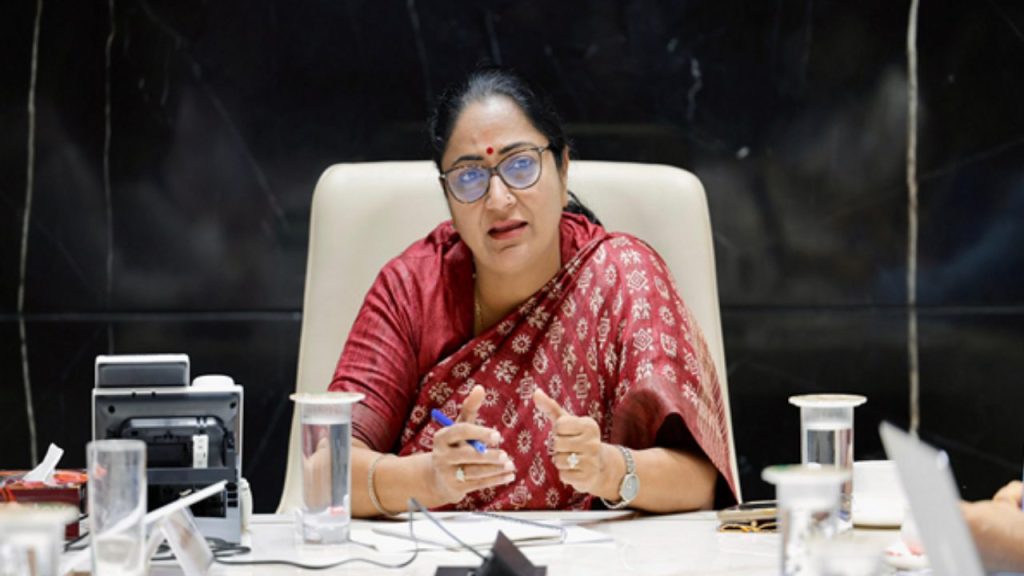
Health officials briefed the Chief Minister on the rising burden of respiratory diseases linked to Delhi pollution. Children, the elderly, and outdoor workers remain the most vulnerable. Rekha Gupta stressed that environmental governance is not just an administrative duty but a moral responsibility toward future generations.
At the same time, she appealed to citizens to cooperate. Regular vehicle maintenance, reduced use of private cars, and adherence to traffic rules can collectively make a difference. The government plans awareness campaigns highlighting how individual actions contribute to worsening Delhi pollution.
Technology and Monitoring
The meeting also explored the use of technology to monitor emissions and traffic patterns. Smart cameras, AI-based congestion analysis, and real-time pollution mapping were discussed as tools to identify problem areas. Accurate data, officials said, is essential for targeted interventions against Delhi pollution.
Transport apps operated by private aggregators may soon be required to share operational data with the government. This would help regulators track fleet size, route density, and emission compliance, further strengthening the fight against Delhi pollution.
Political Will and Administrative Coordination
Observers see this meeting as a reflection of Rekha Gupta’s intent to leave a distinct governance imprint. Unlike fragmented approaches of the past, the emphasis this time is on coordination. Environment, transport, traffic police, and municipal bodies are being pushed to work in sync.
Political analysts note that Delhi pollution has become a decisive governance issue, influencing public opinion and electoral outcomes. By taking visible, enforceable steps, the Chief Minister appears keen to demonstrate seriousness rather than rhetorical concern.
Challenges Ahead
Despite strong intent, challenges remain. Enforcement fatigue, resistance from private operators, and infrastructural constraints could slow implementation. Moreover, Delhi pollution is influenced by regional and meteorological factors beyond the city’s control.
However, officials believe that controlling local emission sources can significantly reduce the overall severity of the problem. Even partial success in traffic and transport reforms could bring noticeable relief from Delhi pollution levels.
A Defining Moment for Delhi’s Governance
The meeting chaired by Rekha Gupta may well be remembered as a defining moment in Delhi’s environmental governance. By directly linking traffic control, private bus regulation, and strict penalties to environmental outcomes, the government has signaled a shift from reactive to proactive policymaking.
If implemented effectively, the decisions taken could set a benchmark for other Indian cities grappling with similar crises. More importantly, they offer hope to millions of residents who breathe the air every day and bear the health costs of Delhi pollution.
Conclusion
The road ahead is complex, but the direction is clear. Through strict enforcement, accountability, and citizen participation, the Rekha Gupta government aims to reclaim Delhi’s air and roads. The success of this initiative will depend not just on fines and meetings, but on sustained political will.
As the capital watches closely, one thing is certain: the fight against Delhi pollution has entered a more decisive phase—one where action, not words, will determine the future of the city.
Read More latest news

