
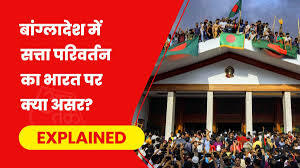
Bangladesh political instability at a Crossroads: Understanding the Deepening Crisis After the August 2024 Coup.
Bangladesh political instability is currently passing through one of the most turbulent phases in its modern history, marked by intense political instability that has shaken the foundations of the state. The August 2024 coup against former Prime Minister Sheikh Hasina was not merely a sudden disruption of democratic order but the culmination of long-simmering tensions within politics, governance, and civil society. Since that turning point, the nation has struggled to regain balance, as power struggles, public unrest, and institutional uncertainty continue to dominate daily life.
To understand the present political instability, it is important to examine the broader historical and political context of Bangladesh. Since gaining independence in 1971, the country has alternated between civilian governments and military influence, with coups, counter-coups, and emergency rule shaping its political culture. Although the return to democratic processes in the 1990s offered hope, underlying structural weaknesses remained unresolved, laying the groundwork for recurring crises.
The August 2024 coup emerged from an already fragile environment where political instability had been building for years. Sheikh Hasina’s long tenure, while marked by economic growth and infrastructure development, also faced criticism over shrinking democratic space, weakened opposition, and allegations of authoritarian governance. As dissent grew among political rivals, civil society groups, and segments of the military, the system became increasingly vulnerable to rupture.
Economic pressures played a significant role in intensifying political instability before and after the coup. Rising inflation, youth unemployment, and pressure on foreign currency reserves created widespread public frustration. While Bangladesh had previously been praised for its economic resilience, global shocks and domestic policy challenges exposed vulnerabilities that the government struggled to address effectively.
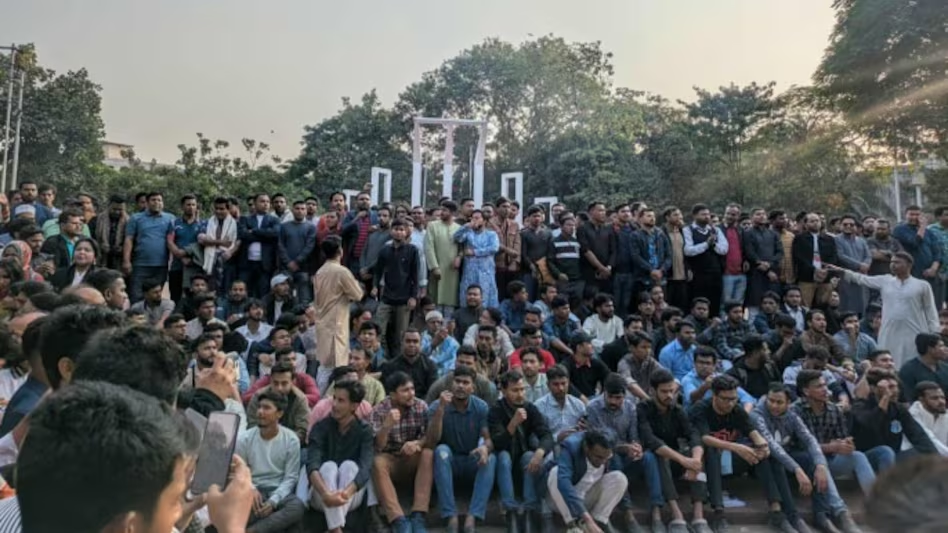
Public trust in institutions eroded rapidly, further fueling political instability across the country. Parliament, the judiciary, and election bodies were increasingly viewed through partisan lenses, weakening their credibility. When institutions lose legitimacy, political disputes tend to move from formal channels to the streets, which is precisely what Bangladesh witnessed in the months leading up to the coup.
The role of the military has once again become central in discussions of political instability. Historically, the armed forces in Bangladesh have portrayed themselves as guardians of national order during times of crisis. However, military interventions often bring short-term calm at the cost of long-term democratic damage. The August 2024 coup revived fears of prolonged military influence over civilian governance.
Following the coup, Bangladesh entered a transitional phase that has been anything but smooth, deepening political instability nationwide. Interim authorities promised reforms, stability, and a roadmap to elections, but internal disagreements and external pressures have slowed progress. Citizens remain uncertain about the future direction of the country.
Civil society and media have been deeply affected by ongoing political instability. Journalists face restrictions, activists encounter surveillance, and public debate has narrowed. In such an environment, fear often replaces dialogue, making it harder to build consensus or trust between different political actors.
The opposition landscape has also been reshaped by political instability. Traditional parties are fragmented, leadership structures are weakened, and grassroots organization has suffered. Without a strong and credible opposition, democratic recovery becomes increasingly difficult, as politics risks becoming dominated by unelected or unaccountable forces.
Youth movements have emerged as a powerful response to political instability, reflecting widespread frustration among younger generations. Many young Bangladeshis feel disconnected from traditional politics and disillusioned by repeated cycles of crisis. Their demands focus on transparency, accountability, and meaningful participation in shaping the nation’s future.
International reactions have added another layer to Bangladesh’s political instability. Regional neighbors, global powers, and international organizations have expressed concern over democratic backsliding and human rights issues. Diplomatic pressure, aid conditionality, and trade implications now factor into Bangladesh’s political calculations.
Foreign investment and economic confidence have suffered due to persistent political instability. Investors typically seek predictable governance and rule of law, both of which appear uncertain in the current climate. Prolonged uncertainty risks slowing development gains achieved over the past two decades.
At the social level, political instability has strained community relationships and national cohesion. Polarization along political, ideological, and sometimes religious lines has intensified. When politics becomes a zero-sum game, society itself bears the cost through mistrust and division.
The legal and constitutional framework is under severe stress amid ongoing political instability. Questions about the legality of the coup, the authority of interim rulers, and the timing of elections remain unresolved. Without constitutional clarity, governance operates in a gray zone that invites further conflict.
Electoral reform is frequently cited as a solution to political instability, yet achieving consensus on reforms has proven challenging. Disagreements over caretaker governments, election oversight, and voting mechanisms have historically triggered unrest, and these issues remain contentious today.
Media narratives surrounding political instability shape both domestic and international perceptions of Bangladesh. Competing versions of events circulate widely, making it difficult for citizens to discern facts from propaganda. Information disorder can intensify fear and misunderstanding during already volatile times.
Women and marginalized communities are often disproportionately affected by political instability. Economic disruptions, insecurity, and reduced access to services hit vulnerable groups hardest. Their voices, however, are frequently absent from high-level political negotiations.
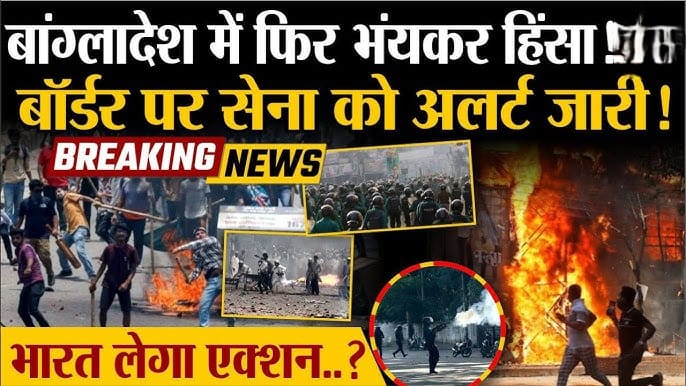
Despite the grim outlook, there are pathways out of political instability if genuine political will emerges. Inclusive dialogue, restoration of civil liberties, and a credible electoral roadmap could help rebuild trust. History shows that Bangladesh has recovered from crises before, though not without significant struggle.
The role of leadership will be decisive in determining whether political instability continues or gradually subsides. Leaders who prioritize national interest over personal or party gain can steer the country toward reconciliation. Conversely, short-term power calculations risk prolonging the crisis.
As Bangladesh stands at this critical juncture, the persistence of political instability serves as both a warning and an opportunity. The warning lies in the danger of democratic erosion and social fragmentation, while the opportunity rests in the chance to reform institutions and renew the social contract.
In conclusion, Bangladesh’s current turmoil cannot be reduced to a single event or actor; it is the result of layered historical, economic, and institutional factors that have converged into profound political instability. The aftermath of the August 2024 coup has exposed deep vulnerabilities but also sparked important conversations about governance, accountability, and democracy. Whether the nation emerges stronger or more divided will depend on choices made in the coming years, choices that will shape Bangladesh’s political destiny for generations.
Read More latest news

