
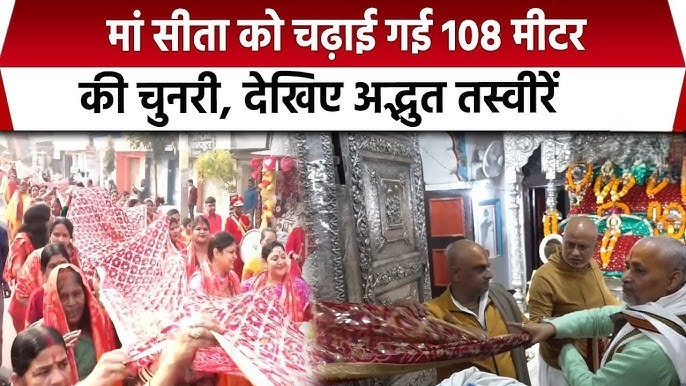
Grand Devotion in Janakpur: 111-Meter Chunri Offered at Janaki Temple During Vivah Panchami Celebrations
Janakpur, Nepal, transformed into a vibrant spiritual capital as thousands of devotees gathered to celebrate the week-long Vivah-Panchami festival. The ancient city, believed to be the birthplace of Goddess Sita, witnessed a spectacular offering on November 23—a 111-meter-long chunri placed at the revered Janaki Temple. This symbolic offering marked the high point of the festivities, uniting people from Nepal, India, and across the world in a magnificent celebration of faith, tradition, and mythology.
For centuries, Vivah Panchami has been celebrated with extraordinary devotion, commemorating the divine wedding of Lord Ram and Goddess Sita. This festival is not just an event; it is a living, breathing tradition that connects millions of devotees to their spiritual heritage. Janakpur, the very location where King Janak performed the legendary wedding, becomes the epicenter of joy and devotion each year.
In this detailed 3000-word blog, we explore the significance of the Vivah Panchami festival, the grandeur of the celebrations, the importance of the 111-meter chunri offering, cultural exchanges between India and Nepal, and why this occasion continues to resonate deeply with devotees across borders.
1. A Holy Morning in Janakpur: Visuals from November 23
The visuals from November 23 captured the heart of this year’s Vivah-Panchami celebration—thousands of devotees gathered in the courtyard of Janaki Temple as a large team of priests and volunteers carried the massive 111-meter chunri. This sacred cloth, symbolizing devotion, purity, and reverence, shimmered beautifully in the sunlight as it was carefully offered to Goddess Sita.
The atmosphere was electrifying:
- Devotees chanting “Sita-Ram, Sita-Ram!”
- Women clad in bright traditional attire joining the procession
- Pilgrims from India arriving in large numbers
- Folk musicians playing Madhesi and Mithila instruments
- Priests performing Vedic rituals before placing the chunri
Such moments reflect the timeless devotion that Vivah Panchami inspires among communities in Nepal and India.
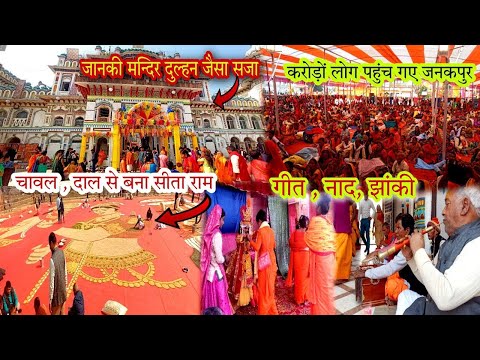
2. What is Vivah Panchami? Understanding the Historical and Mythological Significance
Vivah Panchami marks the divine wedding anniversary of Lord Ram and Goddess Sita. According to the Ramayana, this sacred union took place in Janakpur, where King Janak organized the Swayamvar after Sita broke Shiva’s bow as a child.
Mythological significance:
- It symbolizes the union of Dharma and Shakti
- It represents balance, purity, and righteousness
- It reminds devotees of the ideals of marriage in Hindu tradition
Each year, Vivah Panchami brings to life the cultural richness of Mithila and the spiritual grandeur of the Ramayana.
3. The 111-Meter Chunri Offering: Symbol of Devotion and Unity
One of the most symbolic rituals of Vivah Panchami in Janakpur is the offering of an enormous chunri to Goddess Sita. This year’s 111-meter-long chunri represented:
- Devotion: A collective expression of faith by thousands
- Unity: A symbol of Nepal-India cultural harmony
- Tradition: An age-old Mithila ritual renewed each year
Women from local Mithila communities spent days preparing the chunri. Its vibrant red color, decorated with gold detailing, signified purity, auspiciousness, and marital blessings.
The offering was carried out by devotees who walked barefoot across the temple courtyard, chanting hymns and singing bhajans associated with Vivah Panchami.
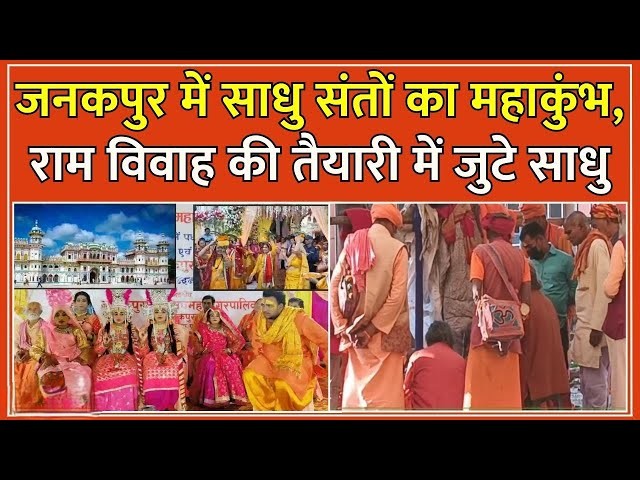
4. Janaki Temple: Heart of Mithila and the Soul of Vivah Panchami
Janaki Temple, one of the most sacred Hindu temples in Nepal, serves as the nucleus of Vivah Panchami celebrations. Its awe-inspiring architecture, reflecting a blend of Mughal and Rajput styles, is beautifully decorated during the festival.
Highlights of the temple during Vivah Panchami:
- The entire palace-like structure glows with lights
- Thousands of lamps illuminate the courtyard
- Floral decorations cover the entrance and sanctum
- Special aartis and bhajans continue day and night
- Devotees line up for darshan from early morning
During Vivah Panchami, the temple transforms into a spiritual haven, resonating with devotion, music, and celebration.
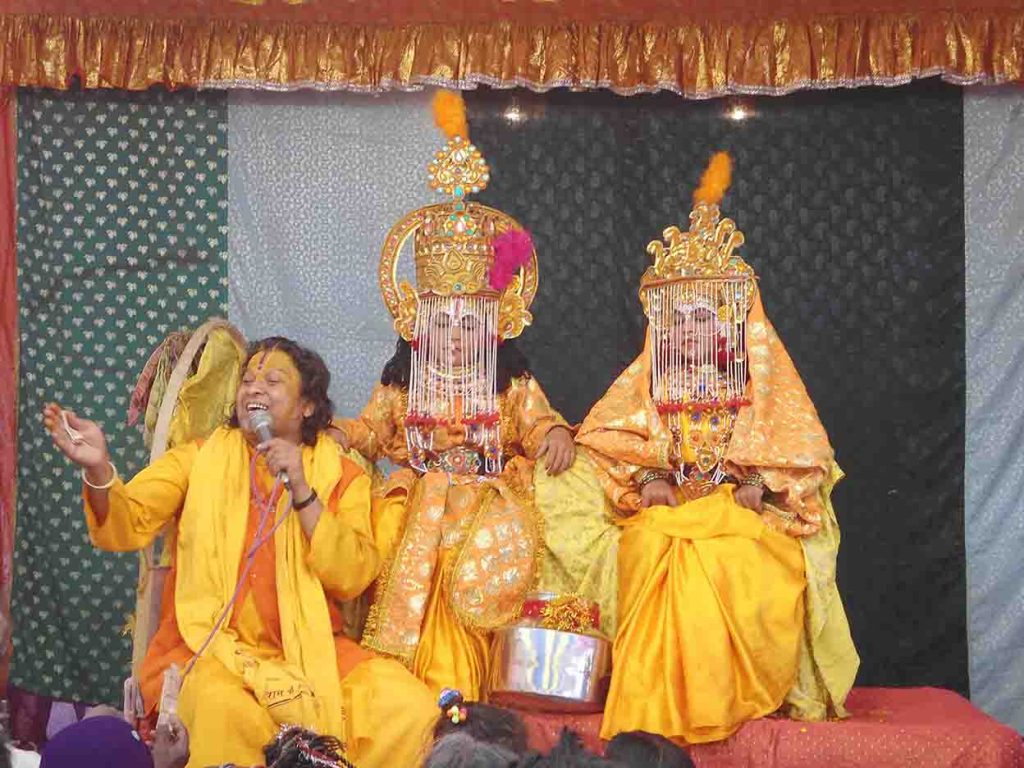
5. Week-Long Celebrations: How Vivah Panchami Comes Alive in Janakpur
The festival isn’t limited to a single ritual—it extends across an entire week, making Janakpur a vibrant center of cultural and spiritual activities.
Key events during the Vivah Panchami week:
- Ram-Sita Processions:
Idols of Lord Ram and Goddess Sita are brought from nearby temples and villages depicting their journey to the wedding ceremony. - Mithila Folk Performances:
Traditional dances like Jat-Jatin, Sama-Chakeva, and Kirtan Mandali performances fill the streets. - Ramayana Plays (Ramlila):
Artists from India and Nepal perform iconic scenes from the epic. - Sacred Rituals:
Various Vedic rituals including Yagyas, Sringar ceremonies, and special poojas are conducted throughout the week. - Devotee Influx:
Pilgrims from Ayodhya, Varanasi, Bihar, Jharkhand, Rajasthan, and other Indian states participate enthusiastically.
The atmosphere is festive, devotional, and deeply emotional, making Vivah Panchami one of the most celebrated religious events in South Asia.
6. Nepal–India Cultural Unity: Festivals Like Vivah Panchami Strengthen Ties
The celebration of Vivah Panchami is a reflection of the ancient and unbreakable ties between Nepal and India. The Ramayana is deeply embedded in the cultural fabric of both nations, and Janakpur and Ayodhya remain symbols of this sacred connection.
Key cultural exchanges during the festival:
- Delegations from Ayodhya come with symbolic gifts
- Joint Ramayana Mandir committees coordinate festivities
- Musicians and artists collaborate in performances
- Devotees from both countries participate without boundaries
This shared celebration of Vivah Panchami reinforces the emotional, historical, and spiritual ties between the two nations.
7. Economic Impact: Vivah Panchami Boosts Tourism and Local Businesses
The festival attracts tens of thousands of visitors, creating significant economic activity in Janakpur.
Economic benefits:
- Increased hotel bookings
- Higher sales for local artisans
- Growth in Mithila painting and handicraft sales
- Boost for food vendors and transport services
For many local families, the Vivah Panchami festival is the biggest annual economic opportunity.
8. Mithila Culture on Full Display
The Vivah Panchami festival serves as a cultural showcase of Mithila’s rich heritage:
- Women draw intricate Madhubani and Mithila art on temple walls
- Local musicians perform Maithili bhajans
- Traditional attire like “lahanga-choli” and “dhoti-kurta” dominate the visuals
- Sacred songs narrating Sita’s life echo through the streets
The celebration becomes a living museum of Mithila culture, attracting anthropologists, historians, and tourists.
9. Devotee Testimonies: What Vivah Panchami Means to Them
Many devotees describe Vivah Panchami as a deeply emotional experience.
Common sentiments:
- “We feel blessed to witness the divine marriage.”
- “Coming to Janakpur during this time feels like returning home.”
- “Offering chunri to Sita Mata is the highest form of devotion.”
- “This festival connects us to our roots.”
For many, attending Vivah Panchami is a lifelong dream.
10. Spiritual Significance: Why Devotees Value Vivah Panchami So Deeply
Vivah Panchami is not just a festival—it is a spiritual reminder of:
- Dharma
- Devotion
- Purity
- Responsibility
- Love anchored in spiritual values
The marriage of Ram and Sita is seen as the ideal partnership, inspiring millions of families.
11. The Divine Wedding: How It Is Re-Enacted Today
The symbolic wedding ceremony during Vivah Panchami is a major attraction. Priests reenact the sacred rituals described in the Ramayana, including:
- Varpooja
- Kanyadaan
- Phere around the holy fire
- Sita’s symbolic farewell
This reenactment attracts thousands who come to witness what feels like a divine moment frozen in time.
12. Visual Grandeur of the 111-Meter Chunri: Symbol of Mithila Devotion
The chunri, stretching across temple steps and courtyards, became a sight of overwhelming beauty. Devotees touched it respectfully, believing it to be a carrier of blessings from Goddess Sita.
This year’s chunri offering added a spectacular highlight to the Vivah Panchami festivities.
13. Why Vivah Panchami Continues to Grow in Popularity
Several factors contribute to the festival’s increasing popularity:
- Strong cross-border cultural ties
- Increased promotion of Ramayana tourism
- Social media sharing of visuals
- Rising interest in religious travel
Each year, more devotees travel to Janakpur to celebrate Vivah Panchami.
14. Conclusion: A Festival that Unites Faith, Culture, and Devotion
The offering of the 111-meter chunri at Janaki Temple on November 23 has once again shown the world the power, beauty, and spiritual depth of Vivah Panchami. As Janakpur celebrates this divine festival with unmatched grandeur, it continues to strengthen cultural unity, spread joy, and keep the Ramayana heritage alive.
Vivah Panchami is not merely a celebration—it is an emotion shared by millions, a bridge between India and Nepal, and a living tradition that continues to shine brighter each year.
Read more latest news

