
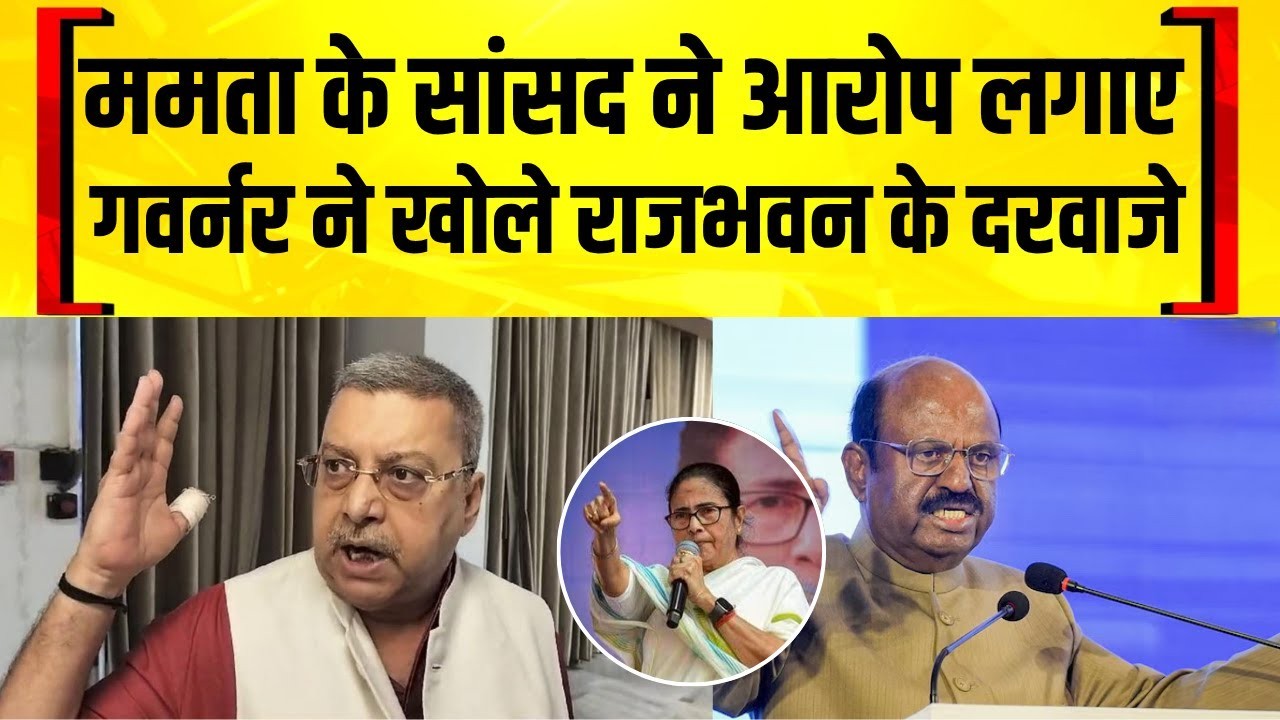
West Bengal Elections 2026: Raj Bhavan vs TMC Clash Intensifies as Kalyan Banerjee Levels Explosive Allegations Against Governor C.V. Anand Bose
The political atmosphere in West Bengal is intensifying rapidly, and as the West Bengal elections draw nearer, the state has once again become a battleground of accusations, counter-accusations, and institutional confrontation. The latest storm erupted after Trinamool Congress (TMC) MP Kalyan Banerjee made sensational allegations against Governor C.V. Anand Bose, accusing him of turning the Raj Bhavan into a haven for “BJP goons,” distributing weapons, and orchestrating attacks on TMC workers. These allegations have not only escalated tensions but have also raised questions about the neutrality of constitutional offices in the context of the West Bengal elections.
The relationship between the Raj Bhavan and the ruling TMC had already been strained for months, but this sudden eruption has pushed the conflict to new levels. Political analysts say this is not a mere war of words—it is a precursor to the fierce battle expected during the West Bengal elections, which are known for being high-stakes, violent, and deeply polarized.
A State Preparing for a Fierce Electoral Battle
As the West Bengal elections approach, the political atmosphere in the state resembles a pressure cooker. TMC, which has been in power for over a decade, is gearing up to defend its turf with full force. The BJP, which made massive inroads in the last election cycle, is determined to capture power this time.
In this surcharged environment, even minor political disagreements turn into statewide controversies. Yet the allegations by Kalyan Banerjee are far from minor—they strike at the very foundation of constitutional integrity. The fact that these accusations have been raised publicly, with great intensity, reflects the high-voltage political climate influenced by the upcoming West Bengal elections.
The Explosive Allegations by Kalyan Banerjee
The heart of the storm lies in Kalyan Banerjee’s strongly worded statement, which accused Governor C.V. Anand Bose of:
- Harboring BJP workers inside the Raj Bhavan
- Providing shelter to those involved in political violence
- Stockpiling weapons on Raj Bhavan premises
- Facilitating attacks on TMC workers
- Acting on behalf of the BJP to influence the West Bengal elections
Banerjee’s statement that the Raj Bhavan has “become a safe house for BJP goons” sent shockwaves across the political spectrum. The TMC claims that these attacks are part of a wider plan to destabilize the state government before the West Bengal elections.
While the Governor’s office has rejected the allegations as “baseless, fabricated, and politically motivated,” the controversy has sparked a fierce debate on the role of governors in state politics, especially during critical periods like the West Bengal elections.
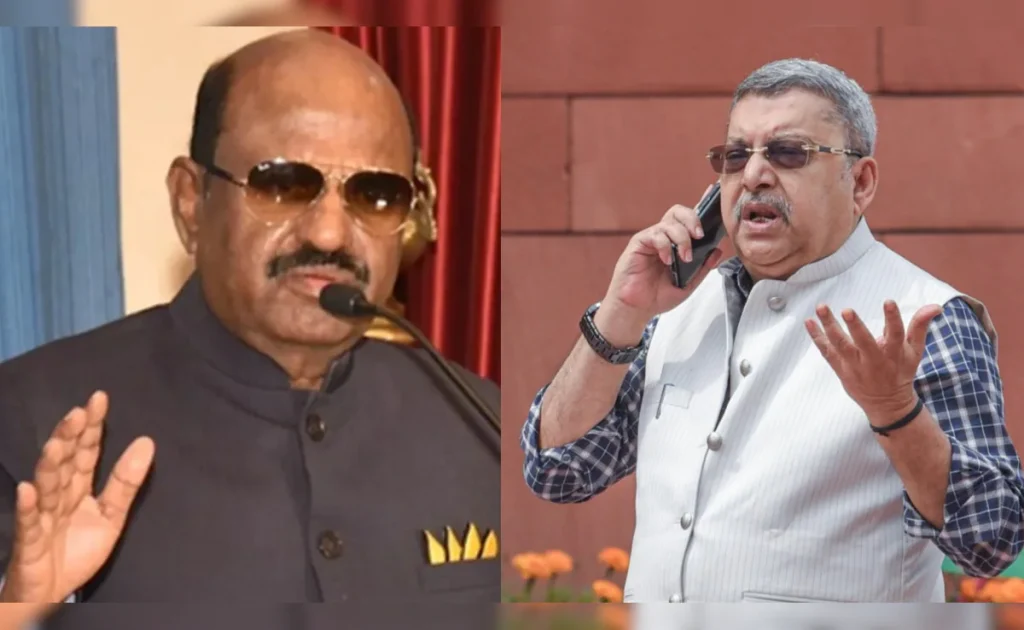
Raj Bhavan Responds: “A Political Drama by TMC”
The Raj Bhavan minced no words in its response. According to its official statement, the accusations were a deliberate attempt to malign a constitutional office. The Governor’s team asserted that:
- The Raj Bhavan is not involved in any political activity
- No unauthorized person has been allowed entry
- The claims of weapon distribution are “absurd”
- The TMC is creating drama ahead of the West Bengal elections
Political experts point out that such confrontations between TMC and the Raj Bhavan are not new. However, the timing seems far from coincidental. The string of clashes leading up to the West Bengal elections indicates the stakes are extremely high for all parties involved.
A Pattern of Confrontation: TMC vs Governors Over the Years
West Bengal’s political history in the past decade reveals a continuous pattern of confrontation between the ruling TMC and successive Governors. Be it Jagdeep Dhankhar or C.V. Anand Bose, the office of the Governor has often been at the center of political debates.
The point of friction has typically centered on:
- Administrative overreach
- Alleged interference in state government functioning
- Public criticism of the state machinery
- Law-and-order issues
- Direct clashes over the conduct of the West Bengal elections
This ongoing friction becomes particularly intense as polls approach. The West Bengal elections are known for their emotionally charged atmosphere and high rates of violence, which often draw administrative intervention. However, this time, the accusations are far more serious and personal, making the ongoing conflict more alarming.
Why This Clash Matters Ahead of the West Bengal Elections
Political observers note that the accusations by Kalyan Banerjee are not merely spontaneous outbursts—they are strategically timed. As the West Bengal elections near, political messaging becomes sharper, more aggressive, and more emotionally charged.
There are several reasons why this clash is significant:
1. The Governor’s Image and Role in Elections
The Governor is expected to maintain neutrality, particularly during sensitive times like the West Bengal elections. Accusations of bias or political involvement can deeply impact voter perception.
2. Messaging to Party Workers
By alleging that BJP workers are being sheltered inside the Raj Bhavan, TMC aims to:
- Mobilize its grassroots workers
- Portray the party as a victim of institutional conspiracy
- Strengthen anti-BJP sentiment ahead of the West Bengal elections
3. Attempt to Shape National Narrative
Accusing the Governor of distributing weapons adds a national security dimension to the issue, ensuring it becomes a major talking point during the West Bengal elections campaign.
4. Polarization Gains Political Advantage
The more heated the political climate becomes, the more polarized the electorate gets—a factor that often influences the outcome of the West Bengal elections.

Political Reactions: War of Words Begins
As expected, the political world erupted soon after Banerjee’s allegations.
BJP’s Response
The BJP brushed aside the allegations, calling them an “act of desperation” by a party losing ground before the West Bengal elections. BJP leaders said the TMC is creating imaginary enemies as it fears its waning popularity.
Opposition Parties React
Other opposition parties labeled the allegations “serious and concerning,” demanding a proper investigation. However, they also admitted that such controversies are expected during the West Bengal elections, where political narratives shift rapidly.
Civil Society and Intellectuals Speak Up
A section of intellectuals in Bengal expressed concern over the collapse of decorum between state institutions. They called for transparency and an independent inquiry into the claims.
The Atmosphere on Ground: Fear, Anxiety, and Anticipation
On the streets of Kolkata, Howrah, Asansol, Jalpaiguri, and Malda, the controversy has further fueled existing tensions. Many citizens fear that as the West Bengal elections approach, political violence may escalate.
West Bengal has a long history of election-related clashes, including:
- Booth capturing
- Street fights
- Bomb attacks
- Arson
- Voter intimidation
- Party worker killings
These events intensify as the West Bengal elections near, especially when high-profile allegations are made against top institutions like the Raj Bhavan.
TMC Strategy: Turning the Governor into a Campaign Issue
Political strategists believe TMC may use this controversy as a central theme in the West Bengal elections campaign.
Their likely messaging:
- “Governor acting as BJP agent”
- “Democracy under threat from constitutional manipulation”
- “TMC vs institutional interference”
- “Bengal’s autonomy must be protected”
By painting the Governor as biased, TMC tries to present itself as the defender of federalism—an emotional issue in the West Bengal elections narrative.
BJP’s Counter-Strategy: Portray TMC as Intolerant to Oversight
The BJP’s likely strategy during the West Bengal elections will be to:
- Claim the Governor is being attacked only for enforcing law and order
- Accuse TMC of corruption and administrative breakdown
- Highlight alleged brutality against BJP workers
- Frame the TMC as a party scared of defeat
This narrative, if effectively delivered, could influence undecided voters during the West Bengal elections.
Media Coverage and Public Opinion
Media channels across India are giving wall-to-wall coverage to the controversy. The heated debates on prime-time shows amplify political polarization. Public opinion on social media is divided sharply.
Trending points include:
- “Is Governor Bose acting impartially?”
- “Is TMC trying to deflect from failures ahead of the West Bengal elections?”
- “Are the allegations credible or political drama?”
- “Should there be an independent probe?”
As expected, hashtags related to the West Bengal elections are flooded with debates, memes, and political attacks.
Could This Controversy Become a Turning Point?
With the intensity of political conflict increasing, many believe this controversy could shape the narrative of the West Bengal elections in a big way.
Possible impacts:
- Polarization increases voter turnout
- Focus shifts from development to political accusations
- Violence risks rise considerably
- Governor’s role becomes a national debate
- TMC gains sympathy or BJP gains momentum depending on narrative control
The West Bengal elections are already known for dramatic twists, and this confrontation may be one of the defining moments of the upcoming polls.
Conclusion: A State on Edge as Elections Approach
As the West Bengal elections move closer, tensions between the Raj Bhavan and TMC are reaching unprecedented levels. Kalyan Banerjee’s explosive allegations against Governor C.V. Anand Bose have added fuel to an already fiery political landscape. With both sides launching verbal attacks and the state policing system preparing for potential unrest, the road to the West Bengal elections looks increasingly volatile.
The coming months will determine whether the state heads toward democratic confrontation or violent chaos. What is certain, however, is that the West Bengal elections will once again become a national focal point—filled with drama, emotion, strategy, and the relentless battle for political survival.
Read more latest news

