
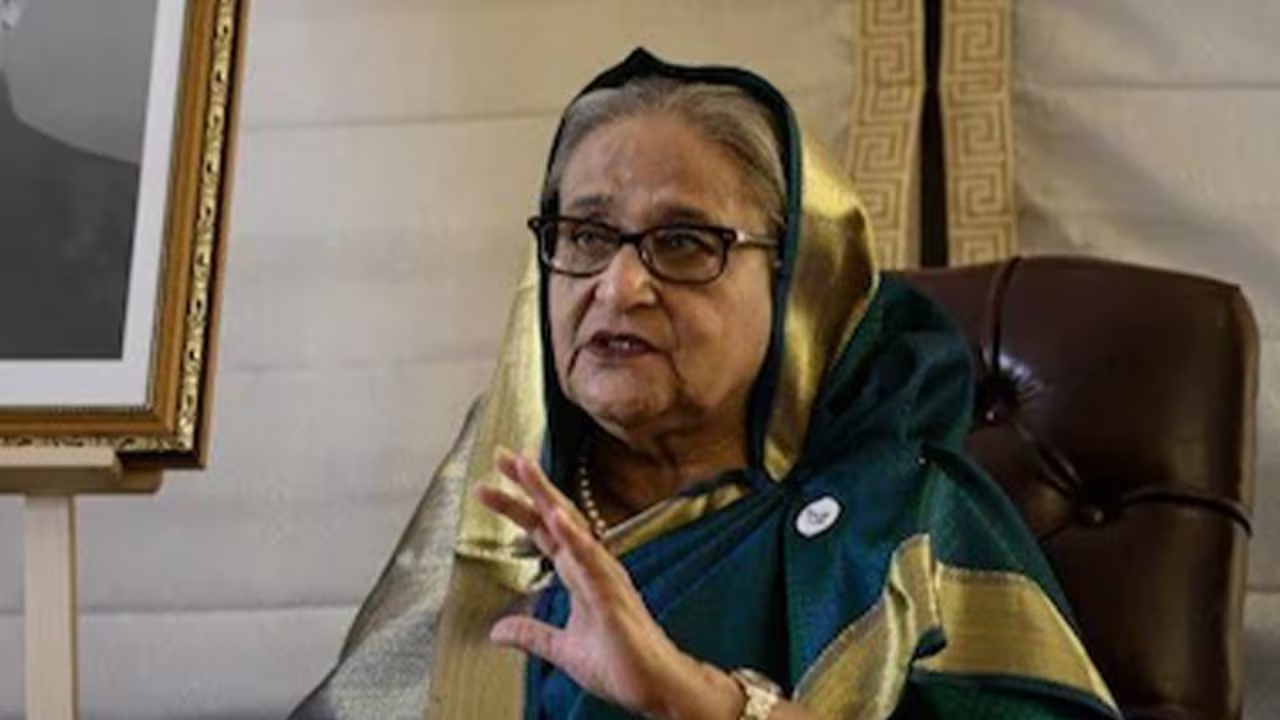
Bangladesh on the Brink: The Day of a Historic Verdict Against Sheikh Hasina.
Sheikh Hasina, Bangladesh is standing on the edge of a political earthquake. Tension, fear, uncertainty, and apprehension have engulfed Dhaka as the nation awaits one of the most consequential judgments in its history. Today, the International Crimes Tribunal (ICT) is set to pronounce its final verdict against former Prime Minister Sheikh Hasina, accused of several alleged crimes committed during her prolonged political tenure. The judgment will be broadcast live on massive screens across Dhaka, turning the entire city into an open courtroom.
From the early morning hours, Dhaka has been transformed into a fortress. Schools are closed. Roads are cordoned off. Internet speed has been throttled in several regions. Thousands of security personnel patrol the streets as citizens watch anxiously, knowing that a single spark could unleash violence on a catastrophic scale.
This is not merely a verdict. It is a turning point. A moment that will shape Bangladesh’s political future. And at the center of this moment stands Sheikh Hasina, one of the most dominant and controversial figures in South Asian politics.
A Nation at Boiling Point
The atmosphere across Bangladesh today resembles the calm before a devastating storm. Political analysts have warned for weeks that the country is heading toward a point of no return. Dhaka, which is usually overflowing with sounds of business, crowds, food stalls, and traffic, has fallen eerily quiet. Barricades block intersections. Riot control vehicles are stationed in strategic corners. Protest groups, both supporting and opposing Sheikh Hasina, have announced their presence on social media.
The ICT verdict—expected to ignite explosive reactions—has created a tinderbox environment. For the first time in the nation’s political history, the trial of a former prime minister is being aired live on giant screens, a move that has been criticized and applauded in equal measure.
Supporters argue that the broadcast symbolizes transparency. Critics call it political theatre designed to provoke mass emotional reactions.
And the woman at the epicenter—Sheikh Hasina—remains both a symbol of leadership and a lightning rod of controversy.
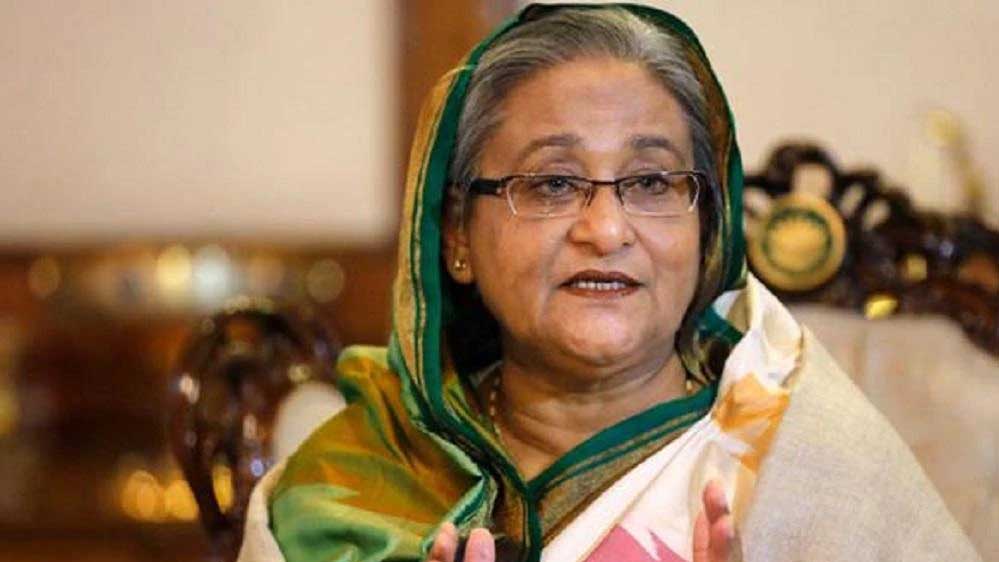
Sheikh Hasina: The Rise and Reign of a Powerful Leader
Whether admired or criticized, no discussion about modern Bangladesh is complete without mentioning Sheikh Hasina. For decades, her name dominated political headlines, development discussions, election campaigns, and diplomatic dialogues.
She governed Bangladesh for multiple terms, oversaw economic growth, expanded infrastructure, strengthened international alliances, and positioned the country as a rising South Asian power. Yet her rule was also marked by accusations of authoritarianism, suppression of dissent, controversial elections, and human-rights concerns.
As one of the world’s longest-serving female leaders, Sheikh Hasina built a political legacy unmatched in Bangladesh’s post-independence history. But today, that legacy is being tested in the severest way possible.
The Charges That Brought Her to the Tribunal
The International Crimes Tribunal was originally established to investigate war crimes from the 1971 Liberation War. Over the years, however, its mandate expanded, becoming a political tool in the eyes of critics. That is why the trial against Sheikh Hasina has drawn international attention.
The allegations against her include:
- Abuse of political power
- Misuse of state machinery
- Human rights violations
- Unlawful detentions
- Suppression of political opposition
- Potential involvement in actions that critics claim destabilized democratic processes
Legal experts say this case is unprecedented—not just in Bangladesh, but globally—because it puts a sitting or recently serving head of government on trial for acts committed while in office, using a tribunal not originally designed for such cases.
Supporters call the trial politically motivated. Opponents claim it is justice long overdue.
Either way, Sheikh Hasina is central to this national reckoning.
Dhaka Turns Into a Live Courtroom
The decision to broadcast the verdict live has raised eyebrows and temperatures. Across Dhaka, large LED screens have been installed in key public places:
- Motijheel
- Shahbagh
- Gulistan
- Dhanmondi
- Uttara
- Mirpur
Crowds have already begun gathering, though police are trying to disperse them to avoid escalation.
It is an extraordinary moment—a former prime minister’s fate being read out on public screens for millions to witness.
The symbolism is powerful. The risk is immense.
Security forces fear that if the verdict goes against Sheikh Hasina, violence could erupt instantly. Conversely, if the verdict appears lenient, opposition groups may mobilize.
In either scenario, Bangladesh stands dangerously close to widespread unrest.

A Polarized Nation: Supporters vs. Opponents
This verdict has split the nation into two emotionally charged camps.
1. The Pro-Hasina Camp
Supporters argue:
- Sheikh Hasina transformed Bangladesh’s economy.
- She improved healthcare, education, and infrastructure.
- She resisted extremist forces and strengthened law-and-order institutions.
- The allegations against her are politically driven, designed to weaken her party and dismantle her influence.
Among her supporters, the narrative is clear: this trial is an attack on democracy and stability.
For them, Sheikh Hasina is the leader who made Bangladesh proud on the global stage.
2. The Anti-Hasina Camp
Opponents claim:
- She consolidated power excessively.
- She undermined democratic processes.
- She stifled dissent and weakened opposition parties.
- Human rights abuses increased under her rule.
For them, this trial is justice catching up after years of authoritarian leadership.
This polarization has turned today’s verdict into more than a judicial decision—it has become a referendum on Sheikh Hasina’s entire political legacy.
Why the World Is Watching
International observers, foreign governments, human rights organizations, and media outlets are closely monitoring events in Dhaka.
Countries across Asia, Europe, and North America have issued travel advisories. The United Nations has expressed concern about potential violence. Global markets are eyeing Bangladesh warily, knowing that political instability could affect regional trade.
Why such global interest?
Because Sheikh Hasina played a major role in regional geopolitics:
- Strengthened ties with India
- Maintained balanced relations with China
- Cooperated with the US and EU
- Firm stand against terrorism
- Key player in Rohingya refugee negotiations
Her political downfall—or vindication—will inevitably affect South Asian political alignments.
What Happens If the Verdict Is Conviction?
If the ICT convicts Sheikh Hasina, Bangladesh may face:
- Widespread street protests
- Clashes between political groups
- Shutdowns and curfews
- Internet blackouts
- Possible intervention from international bodies
Her party, the Awami League, could attempt to mobilize support. Opposition parties, especially those long suppressed under her rule, may seize the moment to gain political ground.
A conviction will not only damage her reputation—it will rewrite Bangladesh’s political script.
What Happens If the Verdict Clears Her?
If Sheikh Hasina is acquitted, the political earthquake will still be massive, but in a different direction.
Opposition groups are likely to allege political manipulation and reject the verdict. Protests may still erupt, accusing the tribunal of bias. International critics could question the credibility of the process.
For supporters, however, an acquittal will be seen as a validation of her innocence and leadership.
The Emotional Weight of the Moment
In countless households across Bangladesh, families are glued to their television screens and mobile devices. Tea stalls buzz with whispered predictions. Social media is overflowing with anxiety, memes, anger, hope, and fear.
For many, Sheikh Hasina is more than a political figure. She is a symbol—either of progress or oppression.
Her supporters remember her as:
- The daughter of Sheikh Mujibur Rahman, the father of the nation
- A survivor of assassination attempts
- A leader who rebuilt Bangladesh after wars and disasters
Her critics remember her as:
- A leader who overstayed her political welcome
- A ruler who allegedly suppressed dissent
- A politician who centralized power aggressively
This duality makes today’s verdict emotionally explosive.
The Verdict Will Shape Bangladesh’s Future
Whichever way the tribunal rules, one thing is certain: today marks the beginning of a new chapter in Bangladesh’s political history.
Will it be a chapter of justice?
Or a chapter of political revenge?
Will it bring peace?
Or unleash chaos?
Will it end an era?
Or solidify the influence of Sheikh Hasina even further?
Only time will tell. But today, Dhaka stands suspended in a moment of history, waiting for a verdict that could define a generation.
Conclusion: A Nation Holds Its Breath
Bangladesh is on the brink of horrific violence today, and all eyes are fixed on the International Crimes Tribunal. The live broadcast of the verdict against Sheikh Hasina has turned the nation into a vast courtroom—emotionally charged, politically divided, and dangerously unstable.
As the clock ticks closer to the moment of judgment, one thing is clear: the story of Bangladesh, the story of its politics, and the story of Sheikh Hasina will never be the same again.
Whatever the tribunal declares today will reverberate through every district, every village, every political party, and every citizen.
Read more latest news

