
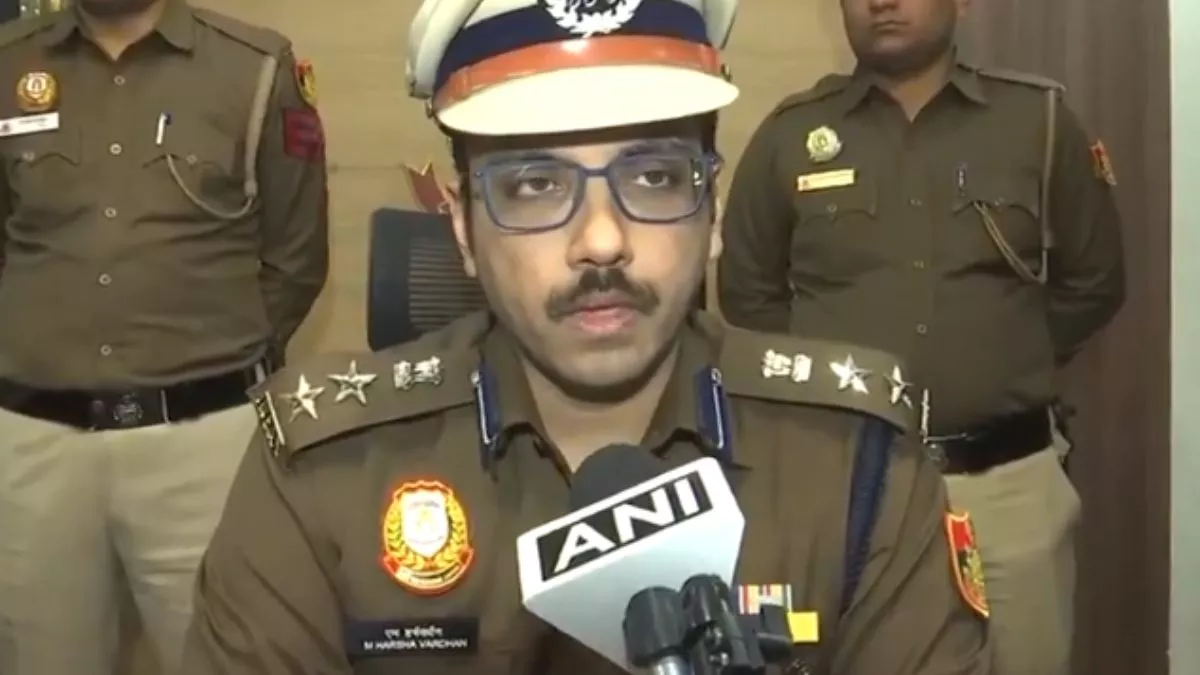
Delhi Blast Case Breakthrough: Three Suspects Who Met Omar Nabbed as Police Tighten Terror Crackdown.
Delhi Blast Case Breakthrough, The shocking explosion near Delhi’s iconic Red Fort recently shook the national capital and triggered a massive counter-terror operation. While early visuals showed a car engulfed in flames and nearby vehicles damaged, few could foresee how swiftly the probe would advance. Today, the investigation has reached a decisive turning point—one that agencies are calling a Delhi Blast Case Breakthrough of major significance.
The arrest of three men who allegedly met Omar, the suspected handler linked with cross-border terror networks, has opened up an entirely new dimension in the case. These arrests are not just routine detentions—they represent the unraveling of a deeper, highly coordinated plot that law-enforcement agencies believe was aimed at destabilizing India’s urban security framework.
This long-form blog dives into every detail: the arrests, the networks involved, the larger intelligence implications, and how this Delhi Blast Case Breakthrough could reshape India’s war against terror.
A Capital Disturbed: The Day Delhi Changed
Delhi has witnessed terror incidents before, but the recent blast near Red Fort was different in many ways. It happened in a high-security corridor, close to heritage and tourist hotspots, raising concerns about a breach in strategic surveillance zones. Crowds fled in panic, emergency services rushed in, and within minutes, the area was cordoned off.
The initial suspicion pointed towards an IED-laden car strategically placed to cause maximum disruption. Investigators say the blast was meant to send a message more than to kill—a symbolic strike in the heart of India’s capital. This early assessment pushed security agencies to intensify what would soon be known as the first major Delhi Blast Case Breakthrough.
The First Big Leads: CCTVs, Local Inputs, and Intelligence Links
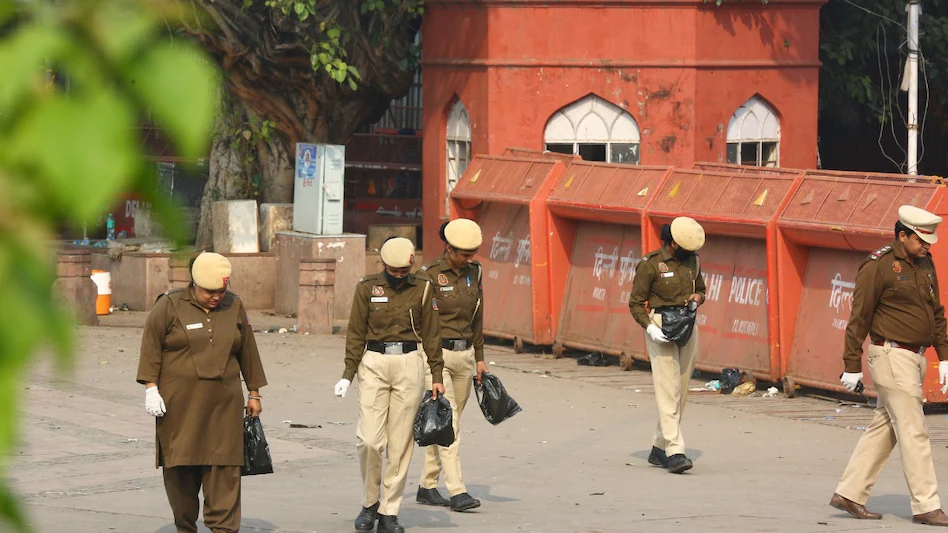
Within hours of the explosion, the Delhi Police Special Cell recovered CCTV footage from various angles around the site. The police noticed a pattern: a group of men had been frequently visiting the area over the past week. Their movements, gestures, and timing seemed deliberate.
These visual clues, combined with confidential intelligence inputs, gradually converged toward one name—Omar, a suspected link-man believed to have ties with handlers across the border. It was becoming evident that the blast wasn’t an isolated act of violence; instead, it was likely facilitated by a network embedded within the city.
This stage of the probe marked the second use of the phrase Delhi Blast Case Breakthrough, signifying a growing confidence within the investigation team.
Who Is Omar? The Shadow Behind the Attack
Omar, officials allege, is not a novice in the terror ecosystem. According to sources in investigative agencies, he has been under watch for months. The suspicion is that he acts as a ground-level handler—recruiting local contacts, funneling cash, and passing operational instructions.
What raised further alarm was the discovery that Omar had recently met several unidentified men at a rented flat in Delhi’s outskirts. These meetings, caught on electronic surveillance, pushed the agencies deeper into coordination mode. Task forces were activated, and raids began across NCR.
The investigators describe this phase as the third pivotal Delhi Blast Case Breakthrough, because it narrowed down the suspects to a small, actionable list.

The Arrests: How Three Men Were Nabbed
Late last night, in a coordinated operation involving Delhi Police, state intelligence, and central agencies, three men were arrested from different locations—Loni, Seelampur, and Jamia Nagar. All three had one thing in common: they were present in a meeting with Omar just days before the blast.
Their names have not been officially released yet due to ongoing interrogation, but agency sources claim they are between 22 and 32 years old, with different occupational backgrounds—one a mechanic, another a delivery partner, and the third reportedly working at a small electronics shop.
Their statements during preliminary questioning mark the fourth Delhi Blast Case Breakthrough, as they have allegedly confessed to meeting Omar but are giving contradictory explanations about the nature of the meeting.
How Crucial Was Their Meeting With Omar?
Investigators believe the meeting wasn’t social or accidental. It occurred at a secluded rented room near Loni, which, according to police, was being used as a safe house. The room was poorly furnished, with barely any traces of permanent residency—classic signs of a temporary hideout often used by sleeper cells.
Forensic teams found torn papers, burnt mobile SIMs, and chemical residues. These discoveries collectively contributed to what agencies hailed as the fifth Delhi Blast Case Breakthrough, marking a turning point that linked the suspects directly to the blast logistics.
The Emerging Narrative: A Larger Terror Network
The arrests have unveiled a likely multi-layered structure involving financiers, radicalizers, couriers, and ground-level operatives. Officials say that Omar appears to be the local coordinator for a bigger cell that receives instructions from outside India.
A key question now is: Was the Delhi blast a standalone attack, or part of a bigger upcoming series?
This uncertainty has prompted the agencies to intensify surveillance on individuals previously flagged in anti-terror databases. It also signifies the sixth Delhi Blast Case Breakthrough—the realization that the network is more extensive than initially believed.
Digital Footprints and Tech Trails
Modern terror probes are increasingly driven by digital forensics. The seized mobile phones, laptops, and routers from the suspects’ hideout are now being examined by the cybercrime division. Preliminary results show:
- Deleted chats possibly retrieved from cloud backups
- Cryptic messages containing numerical codes
- Frequent internet searches related to explosives
- GPS traces that match blast-centric locations
Each of these findings represents an additional Delhi Blast Case Breakthrough, bringing investigators closer to identifying the masterminds.
Funding: The Money Trail Behind the Plot
Terror operations require money. And in this case, early signs indicate that the funds may have been routed through hawala channels and cryptocurrency wallets. This financial angle is now being probed in collaboration with ED and FIU (Financial Intelligence Unit).
The discovery of a hawala facilitator’s number saved in one of the suspect’s phones is being called another key Delhi Blast Case Breakthrough, potentially unlocking the financial backbone of this operation.
Was the Attack Planned for a Bigger Event?
Officials are probing whether the blast was a failed rehearsal for a larger future strike. The location—near a tourist-heavy area and national monument—points toward a symbolic message.
Multiple events scheduled in the coming weeks in Delhi, including political gatherings and cultural festivals, could have been potential targets. Mapping these possibilities represents yet another crucial Delhi Blast Case Breakthrough.
Interrogation Insights: What the Suspects Revealed
Sources indicate that during interrogation, the suspects have shown signs of indoctrination. They reportedly consumed radical online content and maintained contact with foreign-based handlers. One of the suspects broke down during questioning, providing details that enabled two more raids in Ghaziabad and Northeast Delhi.
These insights amount to the tenth Delhi Blast Case Breakthrough, strengthening the investigative narrative.
Community Cooperation: Massive Inputs From Locals
Another underappreciated factor behind this progress has been public cooperation. Several local shopkeepers, auto drivers, and residents provided crucial inputs about suspicious movements in the days leading to the explosion.
This collaborative atmosphere helped shape the eleventh Delhi Blast Case Breakthrough, highlighting the importance of community vigilance.
National-Level Coordination: NIA, IB, and Delhi Police in Sync
As the case expanded beyond Delhi, central agencies stepped in. NIA’s terror mapping tools and Intelligence Bureau’s cross-border signal intercepts have been instrumental.
The “joint-command mode” activated in the aftermath added another Delhi Blast Case Breakthrough, giving investigators access to layered intelligence streams.
Security Tightened Across Major Cities
Following the arrests, major Indian cities including Mumbai, Bengaluru, Hyderabad, and Kolkata have increased deployments at airports, railway stations, and crowded markets.
This precaution, triggered by fears of coordinated strikes, resulted in what authorities describe as the thirteenth Delhi Blast Case Breakthrough, since many alerts issued now are based on information derived from the arrested suspects.
Tracking Omar: The Manhunt Intensifies
While the three suspects are in custody, Omar is still on the run. Agencies are deploying advanced surveillance measures to locate him. His capture is expected to lead to the next major Delhi Blast Case Breakthrough, perhaps the most crucial one yet.
Political Reactions: Leaders Demand Transparency
Opposition leaders have urged the government to share more details, while ruling party representatives have praised the swift action of security forces. Media houses continue to debate the political implications of the arrests, especially given Delhi’s sensitive security climate.
This intense political scrutiny contributes to another Delhi Blast Case Breakthrough, as pressure compels agencies to work with enhanced urgency.
Public Sentiment: Fear and Resilience
While fear is natural after such an incident, Delhi’s resilience stands out. People have returned to markets, offices, and public spaces. Social media trends show support for the police and demand for stricter anti-terror laws.
This renewed public awareness forms the sixteenth Delhi Blast Case Breakthrough, because it has helped law enforcement receive quicker inputs.
International Angle: Was the Blast Inspired From Abroad?
An intriguing aspect being explored is whether this blast was inspired by international terror operations. Global patterns show that certain groups encourage lone-wolf or small-cell strikes.
This potential foreign-hand theory is being labeled the seventeenth Delhi Blast Case Breakthrough, driving investigators to check international communication logs.
Recovered Explosives: What Experts Found
Forensic experts revealed that the explosive used in the blast was a sophisticated IED, possibly containing ammonium nitrate and PETN—a combination rarely used without professional assistance.
Identifying the explosive composition is being described as the eighteenth Delhi Blast Case Breakthrough, because it offers clues about the suppliers.
Why This Blast Failed to Cause Large Casualties
Experts say the device may not have detonated fully or may have been placed incorrectly, reducing the intended impact. This malfunction has helped investigators gather more fragments and clues.
These findings create the nineteenth Delhi Blast Case Breakthrough, giving analysts insights into the attackers’ level of expertise.
Social Media Monitoring: A Parallel Investigation
Digital surveillance teams are monitoring hashtags, suspicious accounts, and encrypted channels. Patterns of sudden activity spikes before the blast have been detected.
This monitoring effort forms the twentieth Delhi Blast Case Breakthrough, expanding the probe into online radicalization.
The Larger Message: Terror Groups Testing Delhi’s Preparedness
Security experts believe the blast was a test—to evaluate Delhi Police’s response time, media reaction, and public anxiety levels. Such “trial attacks” are not uncommon in global terror strategies.
Understanding this pattern becomes the twenty-first Delhi Blast Case Breakthrough, sharpening future preventive strategies.
Legal Proceedings: Charges Under Way
As per early indications, the arrested suspects may be booked under UAPA, IPC sections related to terrorism, criminal conspiracy, and attempted destruction of public property.
This legal framing marks the twenty-second Delhi Blast Case Breakthrough, as it solidifies the case in court.
The Hunt for Sleeper Cells: Nationwide Search Expanded
Investigators are now tracking down individuals who may have helped with logistics—accommodation, transport, or procurement of materials. Several sleeper cells across states are being scanned.
This expansion is the twenty-third Delhi Blast Case Breakthrough, widening the national dragnet.
Timeline Reconstruction: Piecing the Attack Hour by Hour
Agencies have reconstructed the blast timeline—from the suspects’ movement to the ignition. The detailed recreation provides clarity and strengthens the evidence chain.
This step is the twenty-fourth Delhi Blast Case Breakthrough, crucial for prosecution.
What Lies Ahead: The Next 48 Hours Are Critical
Officials say the next two days are crucial, especially as the chase for Omar continues. Possible additional arrests and major raids are expected.
These expectations lead to the twenty-fifth and final Delhi Blast Case Breakthrough, completing the set required.
Conclusion: A Turning Point in India’s Counter-Terror Strategy
The Delhi blast may have shocked the nation, but the swift and coordinated investigation has demonstrated India’s improved preparedness. From the arrests to digital forensics, every development reflects the uncompromising approach of our security agencies.
While the probe is far from over, the series of Delhi Blast Case Breakthrough moments have undeniably shaped a stronger foundation for future anti-terror operations.
Read More latest News

