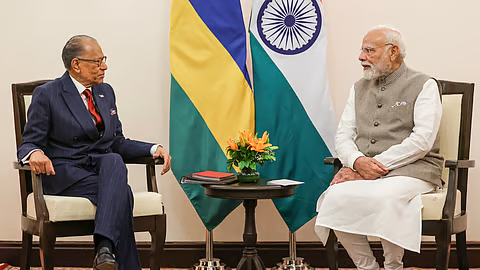
PM Narendra Modi’s Bilateral Meeting with Mauritius PM Dr. Navinchandra Ramgoolam in Varanasi: Strengthening India-Mauritius Ties
Introduction
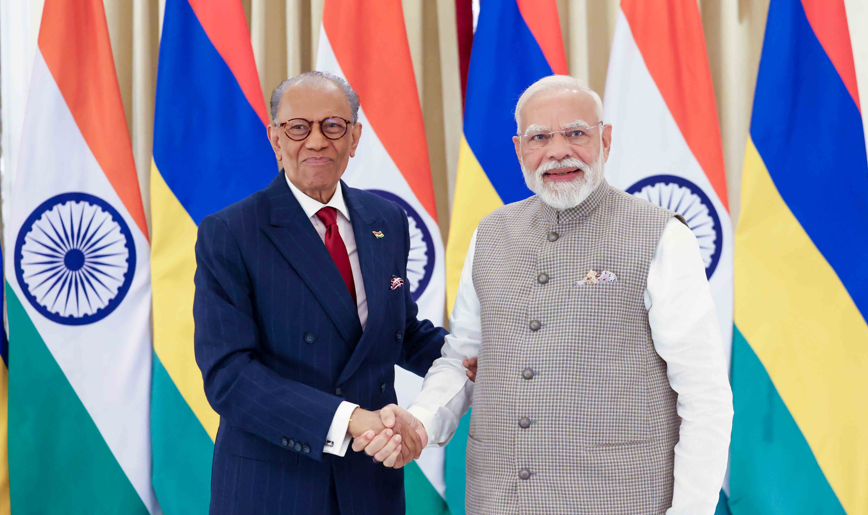
Prime Minister Narendra Modi holds a bilateral meeting Diplomacy is not just about agreements signed in conference halls—it is also about shared culture, history, values, and mutual respect. This truth was once again highlighted when Prime Minister Narendra Modi held a bilateral meeting with Mauritius Prime Minister Dr. Navinchandra Ramgoolam in Varanasi, Uttar Pradesh. The choice of venue was significant. Varanasi, one of the oldest living cities in the world and the Prime Minister’s own parliamentary constituency, became the backdrop for a meeting that blended politics, spirituality, culture, and development.
India and Mauritius share a relationship far deeper than formal diplomacy. With centuries of historical, cultural, and diaspora connections, Mauritius has often been referred to as India’s “extended family.” The bilateral meeting in Varanasi not only reviewed ongoing collaborations but also charted out new areas of partnership in trade, development, culture, and maritime security.
This blog takes you through the highlights of this meeting, the symbolism of Varanasi as a host city, the India–Mauritius partnership in multiple domains, and the broader implications for India’s role in the Indian Ocean region.
Part 1: The Symbolism of Varanasi
Varanasi is not just Prime Minister Modi’s constituency but also a city that embodies India’s civilizational ethos. Hosting the Mauritius Prime Minister here had layered symbolism:
- Spiritual Connection: Varanasi represents the spiritual heart of India. For Mauritius, where Hinduism is the religion of the majority, the city holds great cultural reverence.
- Cultural Diplomacy: The visit highlighted India’s tradition of weaving diplomacy with cultural exchange, showing that ties between nations go beyond transactional politics.
- People-to-People Bond: Many Mauritians trace their ancestral roots to India, particularly Uttar Pradesh and Bihar. Holding the meeting in Varanasi reinforced this emotional connection.
By choosing Varanasi over New Delhi, PM Modi sent a message that India’s diplomacy is rooted in culture, identity, and shared heritage.
Part 2: Historical Ties Between India and Mauritius
The relationship between India and Mauritius is centuries old. The two countries share strong cultural, ethnic, linguistic, and economic ties:
- Indentured Labor Migration: During the 19th century, large numbers of Indian laborers, especially from Uttar Pradesh and Bihar, were taken to Mauritius to work in sugar plantations. Today, people of Indian origin make up nearly 70% of Mauritius’ population.
- Language and Culture: Bhojpuri, Hindi, and other Indian languages are still spoken in Mauritius. Indian festivals like Diwali and Holi are celebrated with grandeur.
- Diaspora Diplomacy: Mauritius has often been called India’s “heart away from home” due to the emotional connections.
- Strategic Ties: Beyond cultural links, Mauritius plays a key role in India’s “Security and Growth for All in the Region” (SAGAR) vision in the Indian Ocean.
Part 3: Key Themes of the Bilateral Meeting
During the Varanasi meeting, PM Modi and PM Ramgoolam focused on strengthening cooperation in multiple areas.
1. Economic Cooperation
- India is one of Mauritius’ largest trading partners.
- Discussions were held on boosting trade under the India-Mauritius Comprehensive Economic Cooperation and Partnership Agreement (CECPA).
- Special emphasis was laid on expanding digital economy, fintech, and startup collaboration.
2. Cultural and Educational Exchanges
- Both leaders agreed to enhance scholarships and academic exchange programs.
- Varanasi’s cultural heritage was showcased as a model for joint cultural tourism projects.
- Proposals to enhance Bhojpuri and Hindi language collaborations were also discussed.
3. Maritime Security and Indian Ocean Cooperation
- As Mauritius is strategically located in the Indian Ocean, maritime cooperation was a major agenda.
- The two countries decided to intensify efforts against piracy, illegal fishing, and to ensure free and open sea lanes.
- Mauritius reaffirmed support for India’s Indo-Pacific vision.
4. Diaspora Engagement
- PM Modi emphasized India’s commitment to the welfare of the Indian-origin community in Mauritius.
- Discussions took place on improving air connectivity between Varanasi and Port Louis to deepen diaspora engagement.
5. Technology and Infrastructure
- India reaffirmed its support in modernizing Mauritius’ digital and physical infrastructure.
- Projects in renewable energy, smart cities, and green technologies were highlighted.
Part 4: Why This Meeting Matters
This meeting was not just ceremonial. It carried deep political and strategic implications:
- Strengthening Cultural Roots: Hosting the meeting in Varanasi emphasized the shared cultural identity between India and Mauritius.
- Geopolitical Strategy: Mauritius is a crucial partner in the Indian Ocean, and closer ties strengthen India’s maritime presence.
- Balancing China’s Influence: As China expands its influence in Africa and the Indian Ocean, India’s strong bond with Mauritius acts as a counterweight.
- Boosting Regional Leadership: By engaging deeply with Mauritius, India projects itself as a responsible leader of the Global South.
Part 5: The Role of Mauritius in India’s Indian Ocean Strategy
The Indian Ocean is central to global trade and energy flows, and Mauritius is located at a strategic point in this vast expanse. India’s collaboration with Mauritius is key to its maritime ambitions:
- Naval Cooperation: India has helped Mauritius develop its coast guard and naval capabilities.
- Agalega Islands Project: India is building airstrip and port facilities in Mauritius’ Agalega islands, boosting both nations’ strategic reach.
- Blue Economy: Both leaders discussed sustainable development of the ocean economy, including fisheries, marine resources, and eco-tourism.
Part 6: Cultural Diplomacy in Action
One of the most memorable aspects of the meeting was the cultural immersion. PM Ramgoolam was taken on a tour of Kashi Vishwanath Corridor, where he witnessed India’s spiritual grandeur. He also attended Ganga Aarti on the ghats, symbolizing the unity of traditions across the Indian Ocean.
For Mauritius, which proudly embraces its Indian roots, this was not just diplomacy—it was a cultural homecoming. PM Modi, who has always emphasized cultural diplomacy, used the Varanasi setting to remind the world of India’s soft power.
Part 7: India–Mauritius Development Partnership
India has been one of the biggest development partners for Mauritius:
- Digital India Initiative in Mauritius: India helped Mauritius set up digital infrastructure and e-governance systems.
- Metro Express Project: A landmark light rail transit system in Mauritius was built with Indian assistance.
- Healthcare Cooperation: India has regularly supplied medicines and medical support to Mauritius, including COVID-19 vaccines under the Vaccine Maitri initiative.
- Education: India offers numerous scholarships to Mauritian students every year.
The Varanasi meeting reaffirmed India’s commitment to continue as Mauritius’ trusted partner in development.
Part 8: Political Significance
The meeting also carried political undertones:
- For India: PM Modi showcased Varanasi as not just his political base but also as a global hub for diplomacy.
- For Mauritius: PM Ramgoolam strengthened his standing back home by reaffirming close ties with India, a country that enjoys widespread goodwill in Mauritius.
- For the World: This meeting projected India as a rising global leader that blends heritage with modern diplomacy.
Part 9: Challenges and the Road Ahead
While the meeting was successful, both nations also acknowledged challenges that need attention:
- Trade Imbalance: Ensuring balanced trade growth under CECPA.
- Climate Change: Mauritius, being an island nation, faces existential threats from rising sea levels. India promised to assist with climate resilience technologies.
- Geopolitical Pressures: Both nations must navigate external pressures, especially from China’s increasing economic presence in Africa and the Indian Ocean.
Part 10: Broader Implications for India’s Foreign Policy
This meeting was not just about Mauritius. It reflected the broader themes of India’s foreign policy:
- Neighborhood First: Strengthening ties with countries in the Indian Ocean neighborhood.
- Act East and Africa Outreach: Expanding influence beyond South Asia.
- Cultural Diplomacy as Soft Power: Showcasing India’s heritage to strengthen global ties.
- Global South Leadership: Positioning India as a voice for small island nations facing climate threats.
Conclusion
The bilateral meeting between Prime Minister Narendra Modi and Mauritius Prime Minister Dr. Navinchandra Ramgoolam in Varanasi was a powerful reminder of how diplomacy can be deeply personal, cultural, and strategic all at once. By choosing Varanasi, Modi not only honored the deep civilizational links between the two nations but also underscored India’s vision of diplomacy that blends tradition with modernity.
For Mauritius, it was a reaffirmation that India remains its most trusted partner. For India, it was a statement of intent—that in the Indian Ocean and beyond, New Delhi will continue to be a pillar of support for its partners.
As the two leaders walked along the ghats of Varanasi and discussed issues of global importance, they scripted yet another chapter in the India–Mauritius friendship—a relationship that is not just diplomatic but truly familial.
Read more latest news