
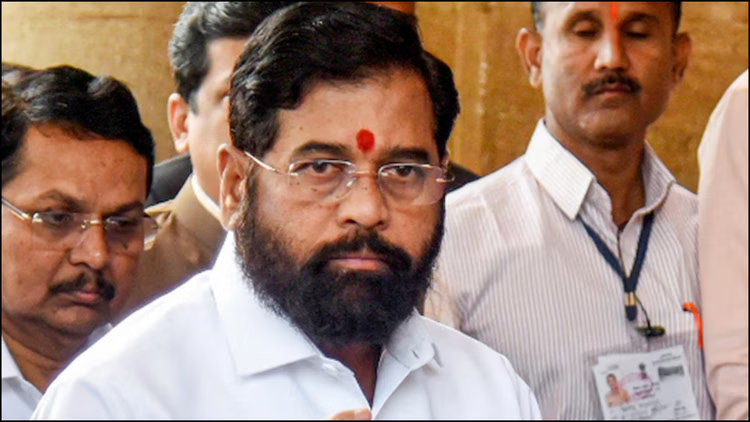
Mumbai: Over 300 Tourists from Maharashtra Stranded Amid Nepal Unrest, Government Steps In for Rescue
Introduction
More than 300 tourists from Maharashtra stranded due to unrest in Nepal Travel is often seen as an escape, a way to experience peace, spirituality, and adventure. But sometimes, unforeseen geopolitical or social unrest can turn a vacation into a nightmare. This is exactly what happened recently when more than 300 tourists from Maharashtra found themselves stranded in Nepal amid ongoing unrest.
The unfolding situation has not only raised concerns about the safety of Indian citizens abroad but also highlighted the importance of quick governmental intervention, effective diplomatic ties, and efficient disaster response mechanisms.
This blog takes a deep dive into the crisis, the background of unrest in Nepal, the plight of stranded tourists, and the coordinated rescue efforts initiated by the Maharashtra and Indian governments.
The Situation at a Glance
- Number of Stranded Tourists: Over 300, mostly from Maharashtra.
- Location: Popular tourist destinations such as Kathmandu, Pokhara, Janakpur, and the Lumbini region.
- Reason: Escalating unrest in Nepal triggered by political demonstrations, ethnic group protests, and blockades in certain regions.
- Risks Faced: Flight cancellations, road blockades, shortage of essential supplies, and safety concerns.
- Response: Maharashtra government in coordination with the Indian Embassy in Kathmandu has activated emergency helplines, arranged temporary shelters, and is working on evacuation plans.
Why Nepal? The Popularity of Nepal Among Indian Tourists
Nepal is one of the most visited foreign destinations by Indian tourists, thanks to its proximity, cultural ties, and affordability. For Maharashtrian travelers, Nepal holds a special charm for several reasons:
- Pilgrimage Routes – Pashupatinath Temple in Kathmandu and Janakpur (birthplace of Goddess Sita) attract thousands of devotees from Maharashtra every year.
- Adventure Tourism – Trekking routes in the Himalayas, paragliding in Pokhara, and river rafting are popular.
- Cultural Similarity – Shared traditions, language familiarity (many Nepalis speak Hindi and Marathi is well-received), and food make the experience comfortable.
- No Visa Hassle – Indians can travel without a visa, which makes Nepal an easy choice for budget travelers.
Unfortunately, the same geographical closeness that brings people to Nepal also means that any unrest directly impacts Indian visitors.
The Unrest in Nepal: A Background
The recent unrest in Nepal has roots in multiple political and socio-economic issues:
- Ethnic Tensions: Long-standing grievances of marginalized communities demanding greater autonomy and representation.
- Political Instability: Nepal has seen frequent government changes and constitutional debates since transitioning to a federal republic.
- Economic Strain: Inflation, unemployment, and fuel shortages have fueled street protests.
- Regional Protests: In southern Nepal, groups have blocked highways, cutting off transport routes.
For tourists, this unrest has translated into blocked roads, canceled flights, temporary closure of markets, and violent clashes in some areas.
The Plight of the Stranded Tourists
For the more than 300 tourists from Maharashtra, the unrest has been an overwhelming ordeal. Based on ground reports and statements given by families back home, the situation can be described as follows:
1. Flight Disruptions
- Several flights between Kathmandu and Indian cities like Mumbai, Pune, and Delhi were canceled.
- Airfare prices for the few operational flights skyrocketed, leaving stranded tourists unable to return.
2. Road Blockades
- Highways connecting Pokhara and Kathmandu to the Indian border were blocked by protesters.
- Tourists trying to reach border towns for road return faced hours-long delays and risks of being caught in mob protests.
3. Safety Concerns
- Some hotels reported shortages of essentials due to disrupted supply chains.
- Stranded families avoided venturing outside at night due to reports of clashes.
4. Communication Gaps
- Many tourists had difficulty reaching their families because of mobile network disruptions in parts of Nepal.
- Panic spread among families in Maharashtra who could not contact their loved ones.
5. Financial Stress
- With prolonged stays, expenses on hotels, food, and transport mounted.
- ATMs in certain cities went dry, forcing tourists to depend on limited cash reserves.
Government Response: Maharashtra and Centre Step In
The Maharashtra government and the Union Ministry of External Affairs (MEA) have swung into action to ensure the safe return of citizens.
1. Emergency Helplines
- The Indian Embassy in Kathmandu issued 24×7 emergency contact numbers.
- Maharashtra’s Disaster Management Cell also opened a special help desk to register stranded citizens.
2. Coordination with Nepal Authorities
- The Embassy is in touch with Nepalese law enforcement to provide safe passage for Indian tourists to airports and borders.
- Police escorts are being arranged in volatile areas.
3. Evacuation Plans
- Chartered flights from Kathmandu to Mumbai and Pune are under consideration.
- Road evacuations via border points at Raxaul and Sunauli in Bihar and Uttar Pradesh are being planned, with special buses for Maharashtrian tourists.
4. Temporary Relief Camps
- Stranded tourists in Kathmandu and Pokhara have been accommodated in safer hotels identified by embassy officials.
- Community kitchens and Indian restaurants have pitched in to provide food supplies.
Role of the Indian Embassy in Kathmandu
The Indian Embassy in Kathmandu has historically played a crucial role during crises—from the 2015 Nepal earthquake to the COVID-19 pandemic evacuations. In the present case, the embassy has:
- Deployed officers at Kathmandu airport to assist stranded travelers.
- Created WhatsApp groups to coordinate communication with tourist groups.
- Issued advisories asking Indian citizens to avoid unnecessary travel within Nepal.
This quick response has been praised by families back in Maharashtra.
Political Reactions in India
The crisis has also become a talking point in Indian politics.
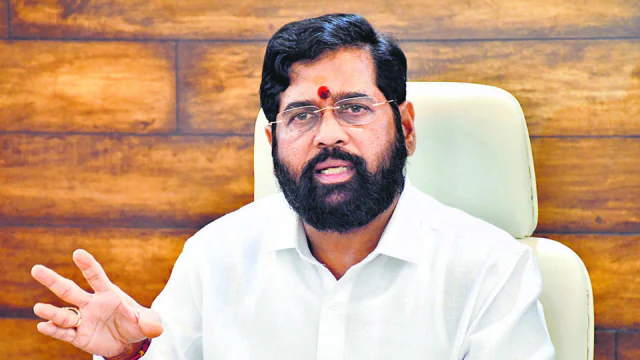
- Maharashtra Chief Minister’s Office (CMO): Issued a statement assuring that all stranded citizens would be brought back safely.
- Opposition Parties: Criticized the state government for not having a dedicated overseas crisis cell earlier.
- Union Government: Reiterated that India’s diplomatic ties with Nepal ensure that every citizen will be protected.
The issue has united political parties to some extent, as leaders across the spectrum have appealed for calm and patience from families.
Voices from the Ground
Tourists have shared emotional testimonies about their ordeal:
- A group from Thane, visiting Pashupatinath Temple, said:
“We never thought a pilgrimage could turn into such tension. Hotels are safe but we are worried for our children.” - A Pune-based trekking group stuck in Pokhara shared:
“Our return bus service was canceled due to protests. We are staying indoors, waiting for the government’s help.” - Families in Mumbai and Nagpur expressed:
“Every phone call brings relief. We just want them back home as soon as possible.”
Past Instances of Indians Stranded Abroad
This is not the first time Indian tourists have been stranded due to crises abroad. India has a history of large-scale evacuation missions, such as:
- Operation Rahat (2015): Rescue from Yemen.
- Vande Bharat Mission (2020): Evacuation during COVID-19 lockdowns.
- Nepal Earthquake (2015): Thousands of Indian tourists were brought back safely.
Such operations demonstrate India’s ability to protect its diaspora and travelers in times of need.
Tourism Industry Impact
The unrest in Nepal and the plight of stranded Indians could have long-term implications:
- Decline in Tourist Confidence – Families may hesitate to book Nepal trips for some time.
- Financial Losses – Tour operators in Maharashtra handling Nepal packages face cancellations.
- Demand for Travel Insurance – Awareness about foreign travel insurance may increase among middle-class tourists.
- Diplomatic Tourism Talks – India and Nepal may need to sign new agreements for securing tourist corridors.
The Road Ahead
The rescue operation is expected to unfold in phases:
- Immediate Relief – Ensuring stranded tourists are safe and calm.
- Evacuation – Using both air and land routes to bring them back home.
- Post-Crisis Support – Counseling, refund facilitation, and grievance redressal.
- Preventive Measures – Creating a real-time Indian Tourist Tracker App for emergency situations abroad.
Conclusion
The plight of over 300 stranded tourists from Maharashtra in Nepal is a stark reminder of how quickly a peaceful vacation can be disrupted by political unrest. Yet, it also showcases the strength of India’s crisis management apparatus, the responsiveness of the Maharashtra government, and the resilience of ordinary citizens.
As rescue operations proceed, one thing remains clear: the bond between India and Nepal is not only cultural and historical but also humanitarian. Protecting Indian lives abroad is both a diplomatic duty and a moral obligation, and the ongoing efforts reflect this commitment.
For the families in Mumbai, Pune, Thane, and Nagpur, every update brings a sigh of relief. And for India as a nation, this crisis is yet another chapter in proving that no citizen will be left behind, no matter where they are.
Read more latest news

