
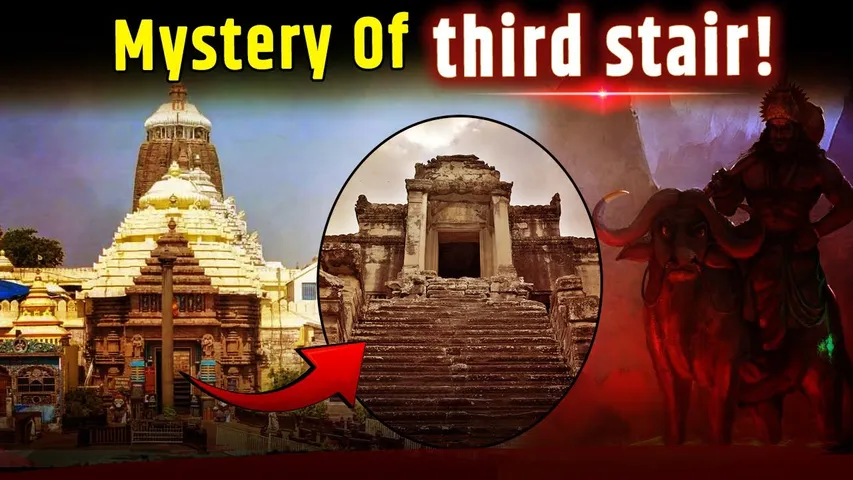
The Mystery of the Third Step of the Jagannath Temple: A Sacred Enigma
Introduction
Jagannath temple India is a land of mysticism, spirituality, and age-old legends. Among the many ancient temples that grace its soil, the Jagannath Temple in Puri, Odisha, stands apart—not just for its architectural grandeur and religious significance, but for the layers of unexplained mysteries that surround it. One of the most intriguing among them is the “mystery of the third step”—a sacred threshold that is said to hold spiritual, metaphysical, and even supernatural importance.
This blog explores the mystery of the third step of the Jagannath Temple, delving into its historical background, religious significance, associated beliefs, and the theories—both spiritual and scientific—that attempt to explain its aura.
About the Jagannath Temple
Before we explore the specific mystery, it’s important to understand the temple itself.
History
The Jagannath Temple was built in the 12th century by King Anantavarman Chodaganga Deva of the Eastern Ganga dynasty. Dedicated to Lord Jagannath, a form of Lord Vishnu, the temple is one of the Char Dham pilgrimage sites for Hindus and hosts the annual Rath Yatra, attracting millions of devotees.
Deities Worshipped
The sanctum houses the trinity of:
- Lord Jagannath (a form of Krishna)
- Lord Balabhadra (his brother)
- Devi Subhadra (his sister)
The idols are unique—made from neem wood and replaced every 12 to 19 years in a secret ritual called Nabakalebara.
Where Is the Third Step Located?
The third step is located at the entrance of the sanctum sanctorum (Garbha Griha), where the deities are installed. While approaching the deities, devotees must ascend a set of stone steps, each carrying symbolic and ritualistic significance.
The third step in this set is considered extraordinarily powerful. Devotees refer to it with awe and reverence, believing it to be an embodiment of spiritual energy and divine consciousness.
The Beliefs Around the Third Step
There are multiple mystical beliefs attached to the third step:
1. Lord Jagannath Resides in the Third Step
Devotees believe that the “Charan Paduka” (divine footprint) of Lord Jagannath rests on this step. Therefore, it is not just a stone but a spiritual embodiment of the Lord himself.
2. The Step Is Never Touched
It is said that no one steps on the third step—not even the temple priests. Instead, they cross it with reverence, avoiding direct contact. Stepping on it is considered a grave disrespect to the Lord.
3. Granting Moksha (Liberation)
Many believe that just touching the third step with your head can liberate a soul from the cycle of birth and death. It is seen as a portal to moksha (spiritual liberation).
4. Energy Vortex
Some spiritual seekers claim to feel a surge of divine energy or vibrations when near the third step, calling it a spiritual vortex.
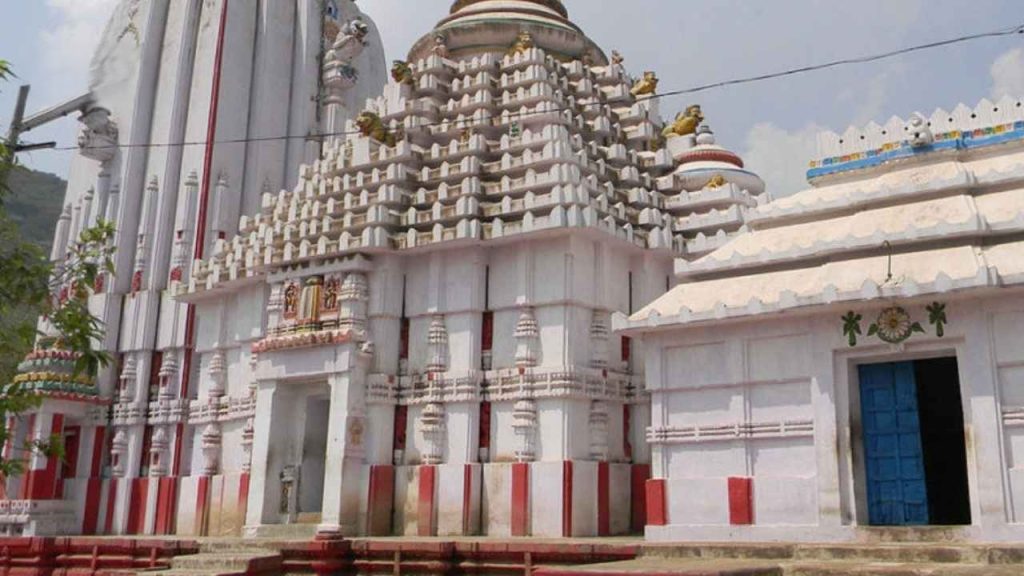
Mythological Connections
The third step also has mythological references, particularly from scriptures and Jagannath Mahatmya texts. According to one legend:
- Lord Vishnu, after incarnating as Krishna, promised to reside eternally in Puri in his wooden form.
- It is believed that his essence resides not only in the idol but also in this sacred step, making it the invisible form of the Lord.
The Role of Rituals and Restrictions
The priests of Jagannath Temple, known as Sevayats, are extremely careful around the third step. During daily and special rituals:
- The step is cleaned and worshipped separately.
- Flowers and sandalwood paste are applied to it.
- No heavy objects are placed near or on it.
- During the Rath Yatra, rituals begin by symbolically honoring the third step before moving the deities.
Even high-ranking visitors or VIPs are instructed not to step on it.
Is There a Hidden Structure Beneath the Step?
Some scholars and researchers suggest that beneath the third step lies a hidden chamber or energy source. Though this claim has never been verified or explored officially (due to temple restrictions and sanctity), ancient texts hint that the “Brahma Padartha” (divine soul-substance) used during Nabakalebara may have been buried beneath it.
This has led to speculation that the third step may mark the center of spiritual gravity within the temple complex.
Scientific and Energetic Theories
While faith dominates the narrative, scientists and researchers have also tried to decode the step’s mystery:
1. Geomagnetic Energy
Some theorists claim that the Jagannath Temple is constructed over a geomagnetic node, which means there is higher electromagnetic energy at certain points—including the third step.
This could explain the vibrations felt by devotees and why people claim spiritual upliftment near the area.
2. Architectural Precision
The third step’s placement may not be coincidental. Traditional Indian temple architecture (Vastu Shastra) recommends that certain sacred points be aligned with planetary energies. The step may lie at such a “navel point”, hence its sanctity.
3. Acoustic Absorption
Researchers have noted that standing near the third step results in unusual silence, even though the temple is usually crowded. It may be due to architectural acoustics designed to absorb ambient noise, creating a sense of calm.
Historical Anecdotes and Devotee Experiences
Many stories by pilgrims describe the power of the third step:
1. Healing and Miracles
Some claim miraculous healing after bowing their heads on the third step. Others have shared stories of life-changing transformations after praying at the location.
2. Emotional Release
Devotees often describe an overwhelming emotional surge, tears flowing involuntarily, or a sense of deep connection to God while near the step.
3. Dreams and Visions
Several sadhus and spiritual seekers have claimed that they received visions of Lord Jagannath or messages from the divine during or after visiting the third step.
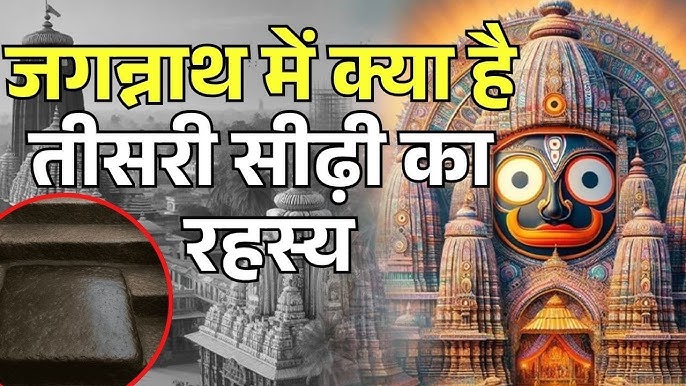
Temple Administration’s Rules
To maintain sanctity:
- The Shree Jagannath Temple Administration (SJTA) has posted strict rules about behavior near the sanctum.
- Security personnel and Sevayats ensure that no one accidentally or intentionally steps on the third step.
- During special rituals, the area is temporarily cordoned off to preserve energy flow and respect.
Modern-Day Challenges
With an increase in pilgrim footfall and social media curiosity, the third step has become an object of spiritual tourism.
Challenges include:
- Lack of awareness among new visitors who may unknowingly disrespect the space.
- Camera intrusion capturing moments at sensitive spots.
- Debates between modern rationalists and traditionalists over whether the step’s mystery is superstition or sacred truth.
To mitigate this, the temple trust has introduced awareness drives, pamphlets, and digital guides to educate pilgrims.
Comparative Sacred Architecture: Are There Parallels Elsewhere?
The idea of sacred steps or forbidden zones isn’t unique to Jagannath Temple.
Examples:
- In Mecca’s Kaaba, the inner chamber is sacred and inaccessible to all but select clergy.
- In Tirumala (Tirupati), the inner sanctum beyond the golden gate is considered a “divya kshetra” or divine zone.
- In Bodh Gaya, the exact spot where Buddha attained enlightenment is encased in glass and not to be stepped on.
Such parallels reinforce the idea that sacred architecture worldwide often embeds spiritual thresholds marked by unique steps or entry points.
Philosophical Interpretation
The third step can also be seen symbolically:
- First step = Material realm (desires)
- Second step = Mental realm (discipline)
- Third step = Spiritual realm (realization or surrender)
In this lens, the third step becomes the point where one lets go of ego and meets the divine—hence why it is not to be stepped upon.
Conclusion: Faith Beyond Explanation
The mystery of the third step at the Jagannath Temple isn’t meant to be solved—it is meant to be felt, honored, and reflected upon.
Whether one believes in energy centers, sacred geometry, or spiritual symbolism, what’s undeniable is the deep reverence and emotional power this step holds for millions. It’s a reminder that in the world’s most sacred spaces, not everything is meant to be understood—some mysteries are best preserved as sacred whispers between the soul and the divine.
read more latest news

