

“The Enemy Will Be Scared Wherever He Is” – PM Modi’s Powerful Message in Kanpuriya Style from Kanpur
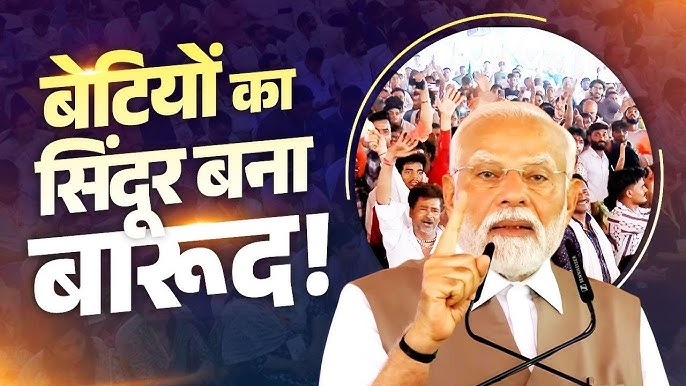
On a sunny afternoon in the heart of Uttar Pradesh, Prime Minister Narendra Modi addressed a massive public rally in Kanpur, a city known for its unique flair, spirited people, and the ever-famous Kanpuriya andaaz. But this time, it wasn’t just political promises and electoral narratives that made headlines—it was a thunderous, patriotic message delivered in unmistakable Kanpuriya style.
Standing before lakhs of enthusiastic supporters, PM Modi roared:
“Dushman kahin bhi ho, kaanp jaayega!”
(“The enemy will be scared wherever he is!”)
This one line, steeped in local flavor, sent a resounding wave of national pride across the crowd and, soon after, across the nation via social media, news channels, and political circles. This blog explores the full context, tone, and national implications of the PM’s speech in Kanpur, offering an in-depth view of its significance for India’s security, culture, and political landscape.
1. The Setting – Kanpur: A City with Character
Before diving into the message, one must understand the backdrop—Kanpur. Once the Manchester of the East, it remains a city known for its industrial roots, resilient spirit, and unfiltered humor. With its earthy charm and fierce pride, Kanpur provided the perfect stage for Modi to strike both emotional and strategic chords.
The rally, held ahead of the crucial Lok Sabha elections, drew crowds from nearby districts like Unnao, Kanpur Dehat, and Fatehpur. Modi’s oratory was crafted to blend political vigor, local dialect, and national vision—a combination that has proven politically magnetic for years.
2. The Message: A Warning Wrapped in Wit
While PM Modi’s speech covered developmental projects, welfare schemes, and opposition critiques, the most viral moment came when he switched to a fiery, Kanpuriya-style proclamation against India’s adversaries.
Quote of the Day:
“Dushman kahin bhi ho, chahe pahadon mein chhupa ho ya zameen ke neeche ho, Modi ki sarkar usse nikaal kar raakh bana degi.
Aur yeh baat main Kanpuriya andaaz mein keh raha hoon—
Dushman kahin bhi ho, kaanp jaayega!”
The crowd erupted. Slogans of “Modi-Modi!” and “Bharat Mata Ki Jai!” filled the air.
The Prime Minister’s tone was deliberately assertive, leaving no doubt about India’s posture against terrorism, cross-border threats, and any nation or actor that attempts to undermine national sovereignty.
3. What Sparked This Strong Statement?
The PM’s aggressive stance is part of a larger narrative ahead of the general elections:
- Recent Border Skirmishes: Tensions along the Line of Control and LAC with China have resurfaced.
- Drone Infiltrations: There have been reports of drone activities in Jammu and Punjab, likely originating from across the border.
- Global Diplomacy: With India’s rising clout, Modi wants to project strength and deterrence on international platforms.
- Domestic Security: Terror incidents in Jammu & Kashmir and intelligence inputs about possible attacks during elections have heightened public sensitivity.
Against this backdrop, a speech that reinforced India’s zero-tolerance stance toward enemies was timely and politically potent.
4. Modi’s Use of Regional Dialect – A Political Masterstroke
Modi is known for connecting with the masses through language and local expressions. His Kanpuriya phrase not only amused but also inspired. It struck a cultural nerve in a state where language is identity.
This isn’t the first time he’s employed regional flavor:
- In Gujarat, he uses Gujarati idioms.
- In Bihar, Bhojpuri and Maithili occasionally slip in.
- In Tamil Nadu, he’s known to begin with Tamil proverbs.
By doing so, Modi achieves two things:
- Creates instant relatability.
- Nationalizes a regional dialect, showcasing unity in diversity.
5. Key Highlights from the Kanpur Rally
A. Development Announcements
- Expansion of Kanpur Metro Phase II.
- New textile parks under PM MITRA Yojana.
- Job opportunities through Skill India Mission tied with local industries.
B. Focus on Law and Order
- He took direct digs at past “mafia raj” in Uttar Pradesh and praised CM Yogi Adityanath for turning UP into a “mafia-mukt rajya”.
- Recalled the 2005-2015 crime data and compared it with recent law enforcement achievements.
C. Welfare and Infrastructure
- Boasted figures from PM Awas Yojana, Ujjwala Yojana, and Ayushman Bharat beneficiaries in UP.
- Announced new expressway projects linking Kanpur with Bundelkhand.
6. Opposition’s Reaction – Expected Criticism
The opposition parties weren’t silent:
- Congress called it “chest-thumping nationalism”, accusing Modi of using bravado to divert from economic issues.
- Samajwadi Party termed it a drama to distract Kanpurites from local unemployment and pollution problems.
- Some critics questioned the lack of a detailed plan behind such a bold assertion.
Yet, the common sentiment on the ground leaned heavily in favor of Modi’s style.
7. Social Media and Public Response
As expected, Modi’s quote went viral across platforms:
- Twitter: #KanpuriyaModi and #DushmanKaanpJaayega were top trends.
- Instagram: Reels flooded with Kanpur slang, patriotic music, and Modi’s punchline.
- WhatsApp Groups: Thousands of users shared memes, slogans, and rally clips.
Youth influencers and meme pages praised the Prime Minister for blending serious foreign policy with desi swag.
8. Impact on Uttar Pradesh Politics
Uttar Pradesh, with its 80 Lok Sabha seats, is politically pivotal. The Kanpur speech served several purposes:
- Reinforced Modi’s strongman image.
- Cemented UP as a BJP bastion through nationalistic rhetoric.
- Showed synergy between central and state governments under Modi-Yogi alliance.
- Reassured voters about security, growth, and leadership.
For a state that has faced communal tensions, economic fluctuations, and youth unrest, Modi’s message was both symbolic and strategic.
9. Modi’s Pattern – Assertive Speeches During Campaigns
This isn’t the first instance of a Modi war cry. He has:
- Said “Ghus ke maarenge” post Pulwama in 2019.
- Coined “Ghar mein ghus kar maarte hain” after Balakot strikes.
- Used “Naari Shakti se mat takraana” while advocating for women-led development.
These statements, often controversial, strike emotional chords with the nationalist voter base while delivering diplomatic signals to international onlookers.
10. What This Means for India’s Enemies
While no specific nation or group was mentioned, the message was unmistakable. India’s stance is:
- Proactive rather than reactive.
- Ready for pre-emptive action.
- Not afraid to name and shame hostile neighbors.
- Uncompromising on internal security and counterterrorism.
The speech, though political, doubles as a warning shot for India’s enemies—state and non-state actors alike.
Conclusion – A Roar from Kanpur That Echoed Nationally
Prime Minister Narendra Modi’s address in Kanpur was more than just a campaign rally. It was an exercise in political messaging, cultural connection, and strategic signaling. With one fiery line delivered in the unmistakable Kanpuriya tone, he reaffirmed his leadership style: confident, unapologetic, and always on the offensive.
The phrase “Dushman kahin bhi ho, kaanp jaayega” is now etched in the minds of millions—not just as a threat to adversaries, but as a reminder of India’s resolve in these uncertain geopolitical times.
As elections approach, this rally may become a defining moment of the campaign—where a leader spoke the language of the people and echoed the spirit of a new, assertive India.


https://shorturl.fm/MVjF1
https://shorturl.fm/xlGWd