
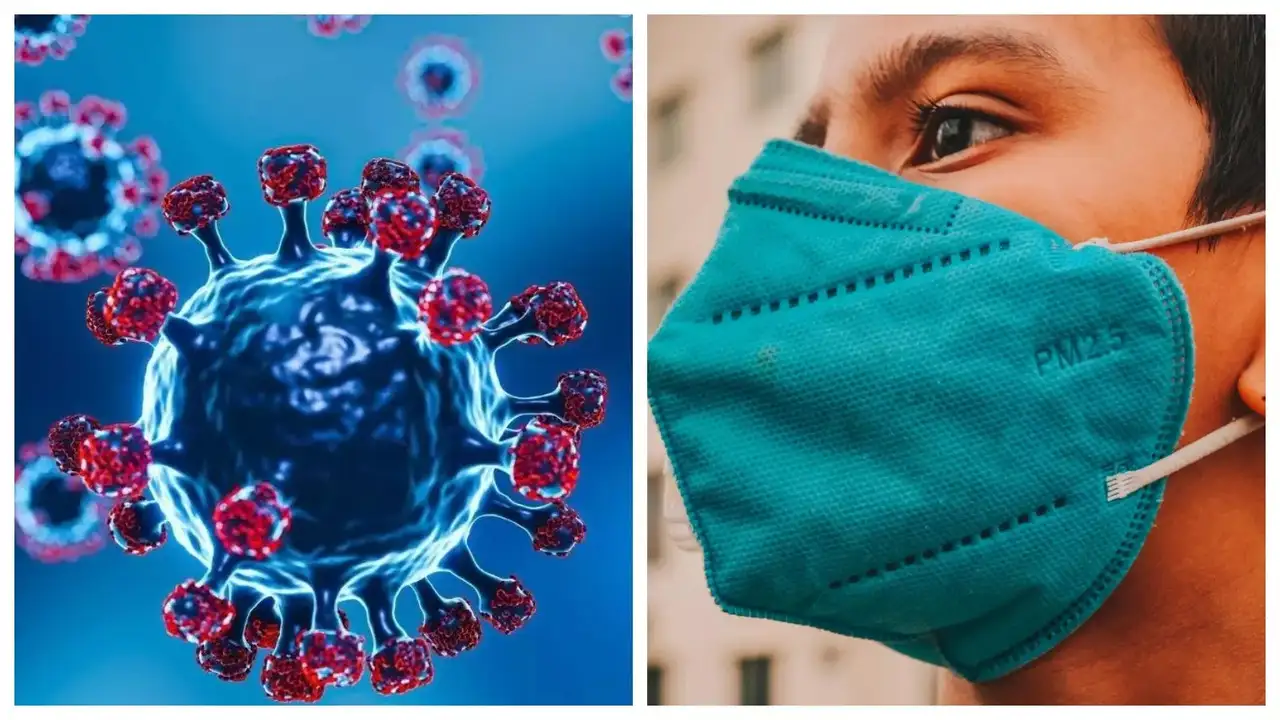
Massive Surge in COVID-19 Cases: New Government Advisory Issued – All You Need to Know
Just when the world believed that COVID-19 had been relegated to the pages of history, a new surge in coronavirus cases has sparked fresh concern across nations. With increasing hospitalization rates, reports of new variants, and a noticeable rise in infection numbers, governments and health agencies have once again stepped in with renewed advisories and guidelines.
In this in-depth blog, we’ll explore:
- What’s driving the latest COVID-19 surge
- Regions most affected
- What the new advisory says
- Precautionary measures and updated guidelines
- What it means for travel, schools, offices, and public life
- How the healthcare sector is preparing
1. Understanding the COVID-19 Resurgence: Why Now?
After months of declining case numbers and a sense of normalcy, May 2025 has brought an unexpected rise in COVID-19 cases. Experts believe multiple factors are contributing to the resurgence:
a) Emergence of New Sub-Variants
Scientists have detected new sub-lineages of the Omicron variant, notably:
- KP.2 and KP.3, known for higher transmissibility
- XBB.1.16, which shows mild resistance to previous immunity
These variants are believed to have higher infectivity and longer incubation periods, making containment harder.
b) Waning Immunity
Immunity from earlier infections or vaccinations is diminishing over time. Without booster doses, individuals—especially the elderly and those with comorbidities—are becoming susceptible again.
c) Seasonal Factors
COVID-19, like influenza, has started showing seasonal patterns. The onset of summer with widespread travel, weddings, and political rallies has led to a super-spreader environment.
2. States and Countries Reporting the Highest Spike
Globally and nationally, certain regions have emerged as hotspots:
India:
- Maharashtra: Daily new cases have crossed 4,000 in Mumbai alone.
- Kerala: High test positivity rate (TPR) in Ernakulam and Thiruvananthapuram.
- Delhi-NCR: A spike in urban clusters and educational institutions.
Global Impact:
- Japan and South Korea are seeing record hospitalizations.
- The United States has reported a 40% week-on-week rise in infections.
- Germany and UK have reinstated some containment protocols in crowded areas.
3. Government of India Issues Fresh Advisory
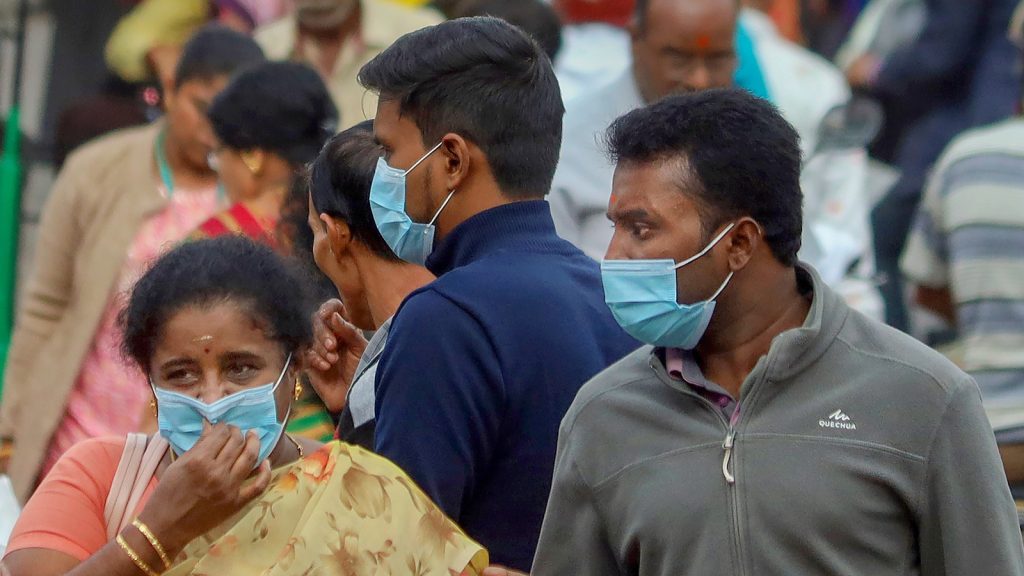
The Ministry of Health and Family Welfare (MoHFW) on May 28, 2025, issued a comprehensive advisory for citizens, local authorities, and health institutions.
Key Guidelines in the New Advisory:
A. Mask Mandate Returns (In Select Areas)
- Mandatory in hospitals, airports, railway stations, and buses.
- Strongly advised in schools, markets, and cinema halls.
B. Remote Work Recommendations
- IT and corporate firms advised to switch to hybrid models temporarily.
- Emphasis on staggered office timings to reduce crowding.
C. Booster Dose Urgency
- Citizens over 60 years and those with pre-existing illnesses urged to get their booster shots immediately.
- Government to start free vaccination camps in urban hotspots.
D. School Advisory
- All schools directed to ensure:
- Thermal screening at gates
- Daily sanitation of classrooms
- Use of masks for staff and students
- Hybrid classes for students with flu-like symptoms
E. Travel and Gathering Guidelines
- No immediate ban on domestic travel.
- However, advisories issued to avoid:
- Unnecessary travel to infected districts
- Large indoor gatherings and weddings
- Unmasked participation in rallies or events
4. Health Infrastructure: Gear-Up Mode Activated
Hospitals and Clinics
- Designated COVID wards being reactivated.
- ICU beds and oxygen cylinders being reassessed.
- Stocks of PPE kits and essential medications being replenished.
Testing and Surveillance
- Free RT-PCR testing resumed at district-level government hospitals.
- Wastewater surveillance intensified to detect early community spread.
- Arogya Setu app updated with new self-reporting features.
5. What Are the Symptoms in This New Wave?
Doctors have noticed a shift in symptom patterns. While the new variants are largely mild, they can still cause discomfort and complications in vulnerable populations.
Most Common Symptoms in May 2025 Wave:
- Persistent dry cough
- Low-grade fever
- Fatigue and body aches
- Sore throat and nasal congestion
- Loss of appetite
Less Common But Serious Symptoms:
- Breathlessness
- Chest pain
- Confusion or brain fog
- Abdominal pain or diarrhea
6. How You Can Stay Safe: Updated Personal Guidelines
In light of the new surge, personal responsibility remains the cornerstone of protection. Here are key steps:
A. Go Back to Basics
- Wash hands frequently with soap.
- Use 70% alcohol-based sanitizers.
- Avoid touching your face in public.
B. Wear the Right Mask
- Use N95 or double-layered masks in crowded spaces.
- Dispose of or wash cloth masks regularly.
C. Boost Your Immunity
- Stay hydrated.
- Eat a balanced diet rich in Vitamin C, zinc, and protein.
- Get 7–8 hours of sleep.
D. Self-Isolate if Symptomatic
- Avoid going to work/school if you have symptoms.
- Use home-testing kits if available.
- Inform local health officials if symptoms worsen.
7. Economic and Social Impact: Are Lockdowns Coming Back?
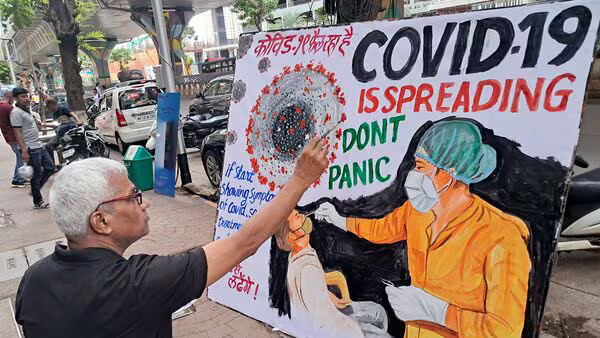
NO National Lockdown—For Now
Government sources say there is no plan for a complete lockdown. However, state governments may introduce micro-containment zones based on case clusters.
Market Sentiment and Consumer Behavior
- Stock markets remain stable, but pharma and healthcare stocks are surging.
- Consumer demand for sanitizers, masks, and immunity supplements has risen sharply.
Impact on Education
- Universities are being asked to create contingency plans for hybrid learning.
- National-level entrance exams (like NEET, CUET) to go ahead with added precautions.
8. International Travel – What’s the Situation Now?
Outbound Travelers from India
- Required to present vaccination certificates.
- Some nations like Japan and UAE now demand negative RT-PCR within 72 hours.
Inbound Travelers
- Thermal scanning resumed at major airports.
- Travelers from high-risk countries may be asked to quarantine or undergo random testing.
9. Is There a New Vaccine on the Horizon?
The Indian Council of Medical Research (ICMR) and Bharat Biotech are jointly evaluating an updated vaccine targeting newer variants. Meanwhile, Covovax and CorBEvax booster availability has been extended.
Trials are also underway for a nasal booster vaccine that could prevent reinfection more effectively.
10. What the Experts Are Saying
Dr. Randeep Guleria, former AIIMS Director:
“We must remain vigilant but not panic. This surge is significant but manageable with the right protocols.”
Dr. Soumya Swaminathan, Former WHO Chief Scientist:
“The virus is not done yet. We need yearly booster shots, just like flu vaccines.”
UN Health Watch Report (May 2025):
“Countries must prepare for future surges with resilient healthcare systems, localized lockdown protocols, and digital surveillance.”
11. What the Common People Are Saying
From Delhi to Bengaluru, reactions are mixed:
- Rashmi Kapoor, Software Developer:
“It’s déjà vu. We’ve returned to masking up and remote working overnight.”
- Sunil Mehta, Shop Owner:
“If the government shuts markets again, we’ll collapse financially.”
- Meera Rao, College Student:
“We just resumed offline classes. Not again!”
Public sentiment is largely that of alertness, though fatigue is evident. The memory of past lockdowns still lingers.
Conclusion – Stay Informed, Not Alarmed
The COVID-19 resurgence in May 2025 is a reminder that the pandemic isn’t fully over. But unlike the first waves, we are more equipped—with vaccines, experience, and better healthcare coordination.
Governments are acting fast, and so should citizens. While a nationwide emergency is unlikely, localized action, adherence to advisories, and personal precautions will determine how this surge plays out.
Let’s not go back to square one—let’s move forward with vigilance, science, and responsibility.


https://shorturl.fm/DA3HU
https://shorturl.fm/f4TEQ