

Colombia Takes U-Turn on US Deportation Flights Amid Tariffs War, Says ‘We Accept All Trump’s Terms’
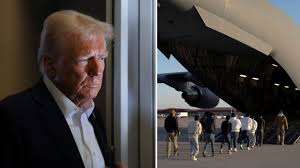
Deportation USThe evolving dynamics between Colombia and the United States have taken an unexpected turn as Colombia has reportedly agreed to all the terms set forth by the US administration under President Donald Trump. The announcement comes amidst an ongoing tariffs war, marking a significant shift in Colombia’s policy on deportation flights and trade negotiations. This move is set to have far-reaching implications, not only for the bilateral relationship but also for the broader geopolitical and economic landscape.
Background: The Tariffs War
The relationship between the US and Colombia has historically been marked by cooperation, particularly in counter-narcotics operations and trade. However, the Trump administration’s hardline stance on immigration and trade protectionism has introduced new tensions.
In recent months, the US imposed tariffs on certain Colombian exports, citing unfair trade practices and insufficient cooperation on immigration enforcement. Colombia, which relies heavily on trade with the US, initially resisted these demands, arguing that they were unjust and counterproductive.
The most contentious issue in the bilateral dispute has been the US demand for increased cooperation in deporting Colombian nationals residing illegally in the United States. Deportation flights, a visible symbol of immigration enforcement, became a sticking point in negotiations.
The Turning Point
Faced with escalating tariffs that threatened key sectors such as coffee, flowers, and textiles, Colombia has decided to yield to US demands. In a statement, Colombian President Gustavo Petro acknowledged the economic pressures driving this decision, saying, “The livelihoods of millions of Colombians are at stake. We cannot afford to let this trade war escalate further.”
Key aspects of Colombia’s agreement with the US include:
- Resumption of Deportation Flights:
Colombia has agreed to resume the acceptance of deportation flights carrying Colombian nationals from the US. This marks a reversal of an earlier policy under which Colombia limited such flights, citing humanitarian concerns and logistical challenges. - Enhanced Immigration Cooperation:
Colombia will implement new measures to identify and repatriate its citizens residing illegally in the US. This includes sharing biometric data and expediting travel documentation processes. - Trade Concessions:
In exchange for compliance, the US has agreed to review some of the tariffs imposed on Colombian goods. While details remain unclear, analysts speculate that this could include partial relief for the flower industry, which is heavily reliant on exports to the US.
Why Colombia Capitulated
Economic Vulnerability
The US is Colombia’s largest trading partner, accounting for nearly 30% of its total exports. The tariffs, which targeted key industries, threatened to derail Colombia’s post-pandemic economic recovery. With inflation and unemployment already posing challenges, the Colombian government faced immense pressure to secure relief.
Domestic Political Pressure
The tariffs and deportation standoff had domestic political ramifications for President Petro. Critics accused the administration of jeopardizing the economy and Colombia’s standing on the global stage. By conceding to US terms, the government aims to avert further economic damage and political fallout.
US Leverage
The Trump administration’s firm stance left little room for negotiation. With a record of using economic sanctions as a tool to achieve policy objectives, the US successfully leveraged its economic power to bring Colombia to the table.
Implications for Colombia
Economic Impact
In the short term, the agreement may ease some of the economic pressure by securing tariff relief. However, the resumption of deportation flights could strain Colombia’s resources, as the government will need to manage the reintegration of deportees.
Political Ramifications
The decision has sparked a mixed response domestically. While business leaders have welcomed the move as necessary to protect the economy, human rights advocates have criticized it as capitulation to US pressure at the expense of vulnerable populations.
Geopolitical Consequences
By accepting US terms, Colombia has reaffirmed its alignment with Washington. However, this could complicate its relationships with other Latin American nations that have resisted US immigration policies.
Global Reactions
The agreement has drawn varied responses internationally:
- United Nations: Human rights organizations within the UN have expressed concern over the humanitarian implications of mass deportations. They have urged Colombia to prioritize the welfare of deportees and ensure their reintegration.
- Latin American Neighbors: Countries like Mexico and Venezuela, which have faced similar pressures from the US, view Colombia’s concession as a setback for regional solidarity in resisting US immigration policies.
- US Business Community: American importers reliant on Colombian goods have welcomed the potential for tariff relief, viewing it as a win-win situation.
What This Means for Trump’s Immigration Policy
President Trump has long championed a hardline immigration stance, making deportation flights a central pillar of his policy. The Colombia deal is being hailed by his administration as a victory that reinforces his commitment to enforcing immigration laws.
In a tweet, Trump declared, “This is what winning looks like. Colombia understands that we mean business. No more free rides!”
Analysts suggest that this deal could serve as a blueprint for similar agreements with other nations resisting deportation demands.
Challenges Ahead
While the agreement marks a significant diplomatic victory for the US, challenges remain for both parties:
- Reintegration of Deportees: Colombia must develop robust programs to support deportees, many of whom may face difficulties reintegrating into society.
- Monitoring Compliance: The US will likely monitor Colombia’s implementation of the agreement closely, leaving little room for non-compliance.
- Sustainability: The long-term sustainability of the agreement depends on Colombia’s economic resilience and its ability to manage domestic backlash.
Conclusion
The U-turn by Colombia on US deportation flights highlights the complex interplay of economics, politics, and diplomacy in modern international relations. While the agreement provides immediate economic relief for Colombia, it also underscores the immense leverage the US wields in its dealings with smaller nations.
As the dust settles, the focus will shift to the implementation of the deal and its broader implications for regional stability and human rights. Whether this marks the beginning of a new chapter in US-Colombia relations or a temporary truce remains to be seen. For now, the agreement stands as a testament to the power of negotiation—and the high stakes involved when nations clash over trade and immigration.
Read More Latest News

