

Women Empowerment Mission: A Bold Vision for Affordable Housing
15,650 Houses for Women, But Funding Challenges Loom Over ₹7,000 Crore Budget
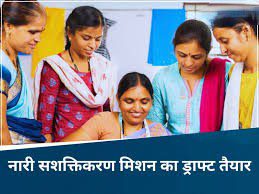
In a landmark announcement, the state government has unveiled its ambitious “Women Empowerment Mission,” aiming to provide secure and affordable housing for women. The project plans to build 15,650 one and two-BHK houses exclusively for women across the state. This initiative is not just about providing shelter but empowering women with ownership and dignity.
However, the question looming large is: where will the government procure the ₹7,000 crore needed to fund this massive undertaking? While the mission is commendable, the financial hurdles pose significant challenges. Here’s a comprehensive analysis of the initiative, its potential impact, and the financial complexities it entails.
Women Empowerment The Vision Behind the Women Empowerment Mission
The Women Empowerment Mission aims to address two critical issues simultaneously:
- Housing Shortage: With rising urbanization and population density, affordable housing remains out of reach for many women, especially those from economically weaker sections.
- Gender Equality: The initiative recognizes that homeownership can be a transformative step toward financial independence and security for women.
Objectives:
- Empower Women: Provide property ownership directly to women to enhance their social and financial status.
- Address Poverty: Offer affordable housing solutions to marginalized women, single mothers, and widows.
- Boost Urban and Rural Development: Construct housing units in strategic locations to balance urban-rural growth.
Women Empowerment Details of the Housing Project
Number and Types of Units:
- 15,650 Homes:
- 10,000 Units: One-BHK apartments for economically weaker sections.
- 5,650 Units: Two-BHK apartments for low- and middle-income groups.
Location:
- Spread across urban and semi-urban areas, prioritizing regions with high demand for affordable housing.
Cost and Subsidy:
- Each one-BHK unit is expected to cost ₹10 lakh, while two-BHK units will cost around ₹15 lakh.
- The government plans to subsidize 40-60% of the cost, reducing the financial burden on beneficiaries.
Eligibility Criteria:
- Women applicants must be the sole or co-owners of the property.
- Priority will be given to single mothers, widows, and women from marginalized communities.
Women Empowerment Funding the Mission: The ₹7,000 Crore Challenge
While the vision is inspiring, the financial aspect of the project remains a critical concern. The estimated cost of ₹7,000 crore has raised questions about the government’s ability to mobilize such a massive amount without derailing other developmental projects.
Proposed Sources of Funding:
- State Budget Allocation:
- The government is expected to allocate a significant portion of its annual budget to the mission. However, this could strain resources for other sectors like education, healthcare, and infrastructure.
- Public-Private Partnerships (PPP):
- Collaborating with private developers could help share the financial burden. In exchange, developers may receive incentives like tax benefits, land subsidies, or expedited approvals.
- Loans from Financial Institutions:
- The state could borrow from domestic or international financial institutions like HUDCO (Housing and Urban Development Corporation) or the World Bank.
- Interest rates and repayment schedules will need careful negotiation to avoid long-term fiscal strain.
- Central Government Assistance:
- The state may seek grants or loans under central schemes such as the Pradhan Mantri Awas Yojana (PMAY).
- This would require alignment with central government guidelines and standards.
- Corporate Social Responsibility (CSR) Contributions:
- Large corporations could be incentivized to contribute under their CSR mandates. Housing projects that empower women align well with CSR objectives.
- Innovative Revenue Models:
- Monetizing government-owned idle land through auctions or leasing.
- Imposing a nominal cess on luxury housing projects or high-value real estate transactions.
Women Empowerment Economic and Social Impact of the Initiative
Economic Boost:
- Job Creation:
- The construction of 15,650 housing units will generate employment opportunities in construction, architecture, and allied sectors.
- Women’s participation in construction projects could also be encouraged, further empowering them.
- Infrastructure Development:
- Improved housing infrastructure will lead to better urban planning, transportation, and public utilities.
- Increased Consumer Spending:
- Homeownership often leads to increased spending on household goods, boosting local markets.
Social Benefits:
- Empowerment Through Ownership:
- Property ownership can significantly enhance women’s bargaining power within households and communities.
- It provides financial security, especially for single mothers and widows.
- Improved Living Standards:
- Access to safe and hygienic housing will positively impact health, education, and overall quality of life.
- Reduction in Gender Inequality:
- Recognizing women as property owners is a significant step toward gender parity.
Women Empowerment Challenges and Criticisms
While the mission is laudable, it is not without its challenges and criticisms.
Financial Viability:
- Mobilizing ₹7,000 crore without cutting into other essential services will require meticulous financial planning.
- Dependence on loans could lead to long-term debt, affecting the state’s fiscal health.
Implementation Challenges:
- Ensuring timely construction without compromising quality.
- Identifying eligible beneficiaries and avoiding misuse of the scheme.
Land Acquisition:
- Acquiring land for the project could lead to legal and logistical hurdles, especially in urban areas.
- Displacement of existing communities may spark protests or legal challenges.
Sustainability Concerns:
- The environmental impact of large-scale construction needs careful consideration.
- Incorporating green building practices and sustainable materials will be crucial.
Women Empowerment Global Comparisons: Housing Initiatives for Women
Several countries have implemented housing schemes aimed at empowering women, offering valuable lessons for India:
- Brazil’s Minha Casa Minha Vida (My House, My Life):
- Provides subsidized housing for low-income families, with a significant percentage of properties registered under women’s names.
- South Africa’s Reconstruction and Development Programme (RDP):
- Focuses on affordable housing with provisions for women-headed households.
- Kenya’s Women’s Land Rights Initiative:
- Advocates for joint land ownership to protect women’s property rights.
These examples highlight the importance of clear policies, community involvement, and financial planning in the success of housing initiatives.
Women Empowerment Roadmap for Success
To ensure the success of the Women Empowerment Mission, the government must adopt a multi-pronged approach:
- Transparent Governance:
- Establish an independent body to oversee the project, ensuring accountability and transparency.
- Community Engagement:
- Involve local communities and NGOs to identify beneficiaries and address grievances.
- Sustainable Practices:
- Incorporate energy-efficient designs, rainwater harvesting, and waste management systems in housing units.
- Capacity Building:
- Provide training and employment opportunities for women in the construction phase.
- Monitoring and Evaluation:
- Set up robust mechanisms to track progress, quality, and impact.
Voices from the Ground
Beneficiaries Speak:
“I have always dreamt of owning a house, but financial constraints made it impossible. This scheme gives me hope,” says Meera, a single mother from a rural district.
Experts’ Opinions:
“Empowering women through homeownership is a game-changer, but the success of this mission depends on its execution,” says Dr. Ramesh Kumar, an urban development expert.
Conclusion
The Women Empowerment Mission is a bold and visionary step toward addressing housing shortages and promoting gender equality. While the ₹7,000 crore funding challenge is significant, innovative financial strategies and collaborative efforts can turn this vision into reality.
As the state embarks on this ambitious journey, it must ensure that the mission remains inclusive, transparent, and sustainable. The true measure of its success will be the transformation it brings to the lives of thousands of women, offering them not just homes but a foundation for a brighter future.
Read more latest news

