
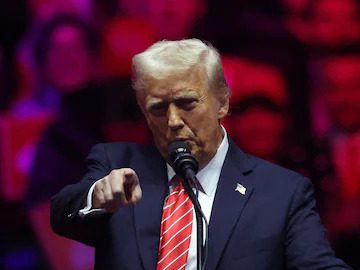
JFK President-elect Donald Trump has captured headlines with a bold promise: to quickly declassify and release all remaining government files related to the assassinations of President John F. Kennedy (JFK), Senator Robert F. Kennedy (RFK), and civil rights leader Dr. Martin Luther King Jr. (MLK). This pledge, made just days before his second inauguration, has stirred anticipation among historians, researchers, and the public alike.
The Historical Significance of These Files
The assassinations of JFK in 1963, RFK in 1968, and MLK in 1968 are among the most pivotal and controversial events in American history. While official investigations have concluded their findings—such as the Warren Commission’s lone gunman theory in JFK’s case—many Americans remain unconvinced, with polls over the decades revealing widespread belief in various conspiracy theories.
The release of these files has the potential to either substantiate or challenge the conclusions of official investigations, offering the public new perspectives on events that shaped the course of U.S. history.
Trump’s First Efforts on JFK Files
During his first term in office, Trump signed an executive order in 2017 authorizing the release of thousands of previously classified JFK assassination files. However, at the request of intelligence agencies, some documents were withheld, citing concerns over national security and the protection of sources. Critics argued that these redactions only fueled further speculation about government involvement or cover-ups.
Now, Trump seems determined to follow through on what he describes as unfinished business. Speaking to reporters, he said, “The American people deserve to know the truth about these tragic events. There’s no reason to keep these files locked away any longer.”
MLK and RFK Files: Less Explored but Equally Crucial
While JFK’s assassination has received the lion’s share of public and media attention, Trump’s inclusion of files related to the killings of RFK and MLK underscores the broader scope of his transparency agenda. Dr. King’s assassination in Memphis, Tennessee, sparked widespread civil unrest and remains a focal point of the civil rights movement’s history. Officially, James Earl Ray was convicted of MLK’s murder, but King’s family and other advocates have long raised doubts about Ray’s role and the possibility of a wider conspiracy.
Similarly, RFK’s assassination in Los Angeles, just as he was gaining momentum in the 1968 presidential race, has been subject to scrutiny. Sirhan Sirhan, the convicted assassin, has repeatedly claimed he was under some form of coercion or mind control. Uncovering new details from these files could shed light on these unresolved mysteries.
A New Administration’s Vision
Interestingly, Robert F. Kennedy Jr., son of RFK, has been appointed by Trump as Secretary of Health and Human Services in his new administration. Kennedy Jr. has been an outspoken critic of the CIA and its alleged role in the JFK assassination. His involvement in the administration adds an intriguing layer to this initiative, as he has been vocal about the need for full transparency regarding his uncle’s death.
The collaboration between Trump and Kennedy Jr. signals a united front in addressing these historic concerns, which could further embolden calls for accountability and transparency within U.S. intelligence agencies.
Potential Challenges
The road to declassification is not without hurdles. Intelligence agencies like the CIA and FBI have historically resisted the release of sensitive documents, citing concerns over national security, foreign relations, and the safety of informants. Moreover, some records may have been lost or destroyed over the decades, potentially leaving critical questions unanswered.
Legal experts also warn that even with a strong executive push, some files could remain classified if they fall under specific exemptions in the law. The public may still have to grapple with the frustration of incomplete disclosure.

JFK Broader Implications
The release of these assassination files extends beyond historical curiosity. It reflects broader debates about government transparency and public trust. Trump’s announcement coincides with a growing movement to challenge the over-classification of government documents, an issue that many argue undermines democratic accountability.
Trump’s bold promise could also influence his political legacy, positioning him as a champion of transparency. However, skeptics remain cautious, noting that previous leaders have made similar pledges without fully delivering.
JFK What to Expect
The process of declassifying and releasing the files is expected to move swiftly, according to Trump. He has directed his team to ensure that bureaucratic hurdles are minimized. Researchers and historians anticipate a deluge of documents that may require months or even years to fully analyze.
The first wave of files, if released promptly, could dominate headlines and potentially rewrite aspects of history. Whether they confirm existing theories or introduce entirely new narratives, the public’s response is likely to be profound.
On January 19, 2025, President-elect Donald Trump announced his intention to declassify and release all remaining government documents related to the assassinations of President John F. Kennedy, Senator Robert F. Kennedy, and civil rights leader Dr. Martin Luther King Jr.
This move is part of a broader initiative to enhance government transparency and reverse what he terms the “over-classification” of documents.
Historical Context
The assassinations of JFK in 1963, RFK in 1968, and MLK Jr. in 1968 have been subjects of extensive investigation and public intrigue. Despite official conclusions, numerous conspiracy theories have persisted, partly due to the government’s withholding of certain documents on grounds of national security.
Previous Efforts
During his first term, Trump authorized the release of several JFK assassination files. However, a significant number remained classified due to concerns from intelligence agencies like the CIA and FBI. The upcoming declassification aims to address these omissions.
Robert F. Kennedy Jr.’s Role
Notably, Robert F. Kennedy Jr., son of RFK and nephew of JFK, has been appointed as Secretary of the Department of Health and Human Services in the incoming administration. Kennedy Jr. has previously expressed beliefs that the CIA was involved in his uncle’s assassination, a claim the agency denies.
Implications
The release of these documents could provide new insights into these historical events, potentially reshaping public understanding. However, the exact content and scope of the forthcoming disclosures remain unspecified.
Conclusion
Trump’s commitment to releasing these assassination files is a gamble that could pay off in both historical and political terms. By addressing long-standing mysteries, he has the opportunity to restore public trust in government transparency. However, the true impact of this initiative will depend on the substance of the disclosures and the degree to which they address decades of speculation and doubt.
As Americans await the promised files, one thing is certain: the debates surrounding these tragic events will continue to captivate the nation and the world.
Read more Latest news

