
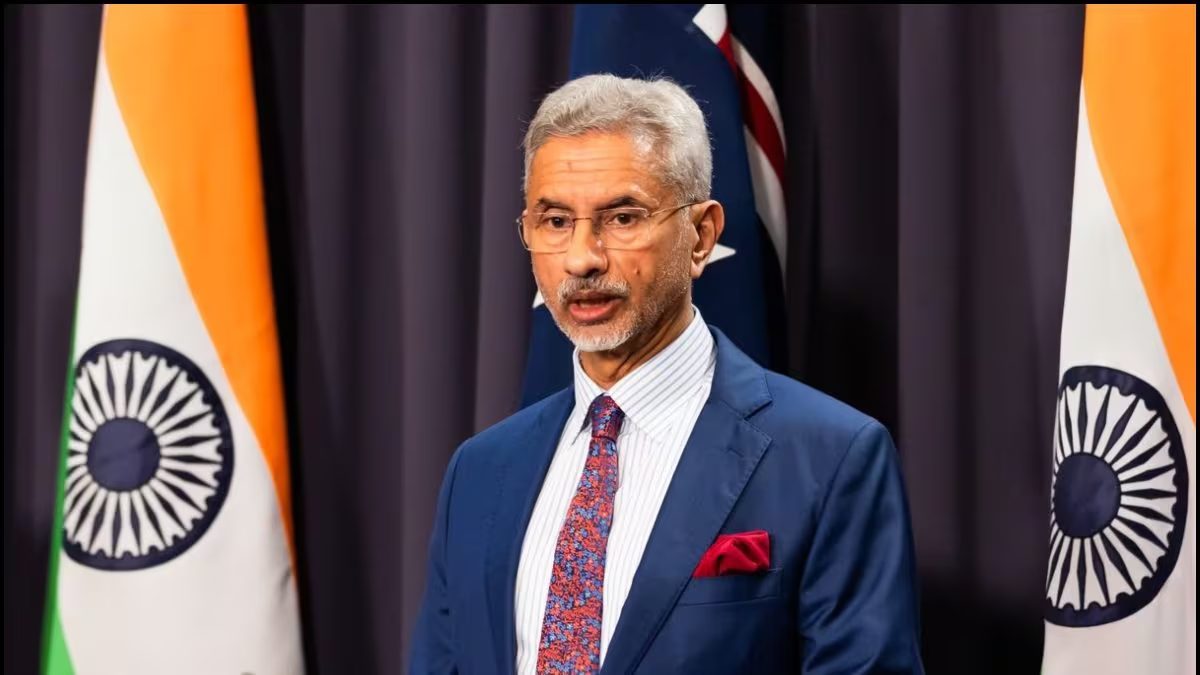
“Cancer of Terrorism Consuming Its Body Politic”: EAM Jaishankar’s Sharp Jibe at Pakistan
Cancer Of Terrorism In a stark and uncompromising statement, India’s External Affairs Minister (EAM) Dr. S. Jaishankar delivered a scathing critique of Pakistan’s handling of terrorism during an international forum. His remarks, describing terrorism as a “cancer consuming Pakistan’s body politic,” underscored the long-standing tensions between the two nations and the global ramifications of Pakistan’s approach to terrorism.
This article delves into Jaishankar’s statement, its geopolitical implications, Pakistan’s response, and the broader context of India-Pakistan relations.
Cancer of Terrorism Context of Jaishankar’s Remarks
Dr. Jaishankar’s comments were made during a high-level meeting on global security, where terrorism was a key agenda item. Key points of the context include:
- Focus on State-Sponsored Terrorism:
- The session sought to address the challenges posed by state-sponsored terrorism and its impact on international peace.
- India has consistently raised concerns over Pakistan’s alleged support for terror groups targeting Indian interests.
- Platform for Global Messaging:
- Jaishankar’s statement was aimed not only at Pakistan but also at the international community, urging collective action against terrorism.
- India’s Stance on Cross-Border Terrorism:
- India has long accused Pakistan of providing safe havens and support for terror outfits like Lashkar-e-Taiba (LeT) and Jaish-e-Mohammed (JeM), which have carried out attacks on Indian soil.
Cancer of Terrorism Jaishankar’s Key Statements
The External Affairs Minister minced no words in highlighting the consequences of Pakistan’s policies:
- Terrorism as a Self-Inflicted Wound:
- He described terrorism as a “cancer” that Pakistan has nurtured, which is now consuming its stability and credibility.
- Jaishankar noted that the same terror networks once supported by Pakistan are now undermining its governance and internal security.
- Impact on Global Stability:
- He emphasized that terrorism emanating from Pakistan is not confined to South Asia but has a global footprint, affecting nations far beyond the region.
- Jaishankar called for international accountability for nations that enable or tolerate such activities.
- Call for Collective Action:
- The minister urged the international community to adopt a zero-tolerance approach to terrorism, emphasizing that no political or strategic goals can justify its use.
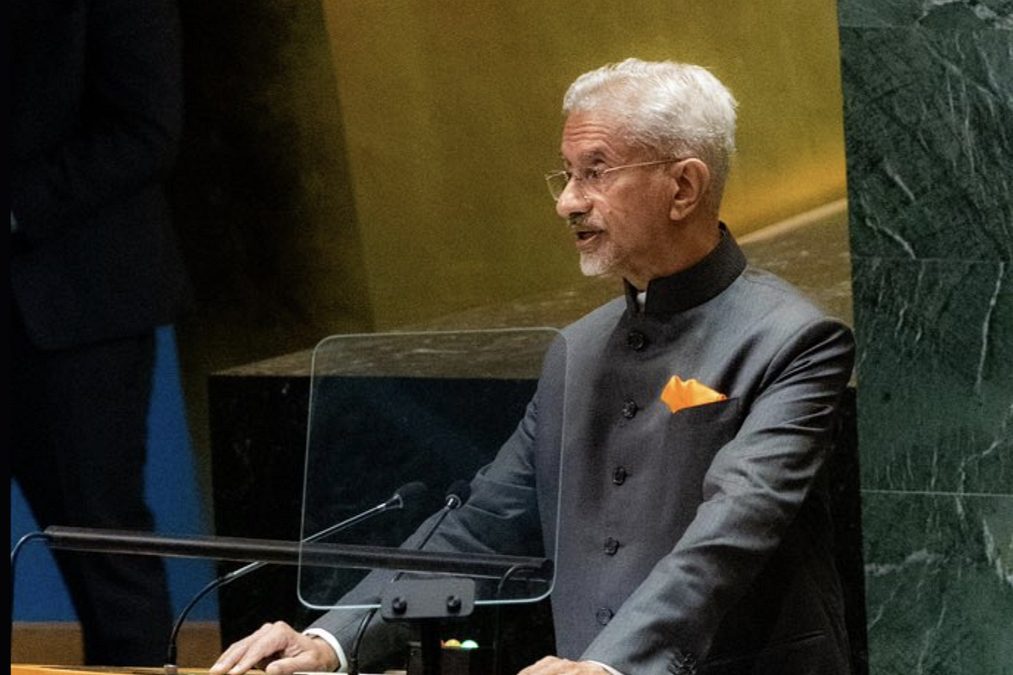
Cancer of Terrorism Geopolitical Implications
Jaishankar’s remarks carry significant implications for regional and global politics:
- Bilateral Relations with Pakistan:
- The statement reflects the deep mistrust between India and Pakistan, with little progress in diplomatic engagement.
- It reiterates India’s firm stance that dialogue with Pakistan is not possible until it takes credible action against terror groups.
- India’s Global Position:
- By taking a strong stand against terrorism, India continues to position itself as a responsible global player advocating for peace and security.
- Jaishankar’s message aligns with India’s efforts to galvanize international support for anti-terrorism measures, particularly at platforms like the United Nations and G20.
- Pressure on Pakistan:
- The remarks add to the growing international scrutiny of Pakistan’s counter-terrorism record, particularly in light of its financial struggles and reliance on global aid.
- Organizations like the Financial Action Task Force (FATF) have already placed Pakistan on their radar for insufficient action against money laundering and terror financing.
Cancer of Terrorism Pakistan’s Response
Unsurprisingly, Pakistan rejected Jaishankar’s assertions, with its officials labeling them as baseless and politically motivated. Key elements of Pakistan’s response include:
- Rebuttal of Terrorism Allegations:
- Pakistan reiterated its claim that it is itself a victim of terrorism, citing attacks by groups like the Tehreek-e-Taliban Pakistan (TTP).
- Officials argued that Pakistan has made significant sacrifices in the global war on terror.
- Criticism of India’s Policies:
- Pakistan accused India of using the terrorism narrative to divert attention from its actions in Jammu and Kashmir, which Pakistan continues to claim as a disputed territory.
- It also alleged human rights violations by Indian forces in the region.
- Appeal for Dialogue:
- Despite the sharp rhetoric, Pakistan called for renewed dialogue to address bilateral issues, including Kashmir and water-sharing agreements.
Cancer of Terrorism The Broader Context of India-Pakistan Relations
The latest exchange of words comes against a backdrop of several unresolved issues between the two neighbors:
- Cross-Border Terrorism:
- India has repeatedly accused Pakistan of harboring groups responsible for high-profile attacks, including the 2008 Mumbai attacks and the 2019 Pulwama attack.
- Despite international pressure, Pakistan has been criticized for inadequate action against key figures like Hafiz Saeed and Masood Azhar.
- Kashmir Dispute:
- The abrogation of Article 370 in Jammu and Kashmir in 2019 further strained relations, with Pakistan downgrading diplomatic ties and increasing its rhetoric against India.
- Economic and Political Turmoil in Pakistan:
- Pakistan is grappling with a severe economic crisis, political instability, and a resurgence of militant activity, particularly in its border regions.
- Critics argue that these challenges are exacerbated by decades of policies that prioritized strategic depth over internal stability.
- International Dynamics:
- The U.S. withdrawal from Afghanistan and the return of the Taliban have complicated the regional security environment.
- India and Pakistan are also vying for influence in forums like the Shanghai Cooperation Organization (SCO) and South Asian Association for Regional Cooperation (SAARC).
Cancer of Terrorism Global Reactions
Jaishankar’s comments have sparked varied reactions from the international community:
- Support for India’s Stance:
- Several countries, including the United States and France, have echoed concerns about Pakistan’s role in enabling terrorism.
- These nations have called for greater accountability and reforms within Pakistan to dismantle terror networks.
- Calls for De-Escalation:
- Some nations, particularly in the Middle East, have urged India and Pakistan to engage in dialogue to resolve their differences peacefully.
- Others have emphasized the importance of focusing on development and regional cooperation.
- China’s Role:
- As Pakistan’s close ally, China has often defended Islamabad on international platforms. However, its response to Jaishankar’s remarks remains cautious, reflecting its broader strategic interests in South Asia.
Cancer of Terrorism The Way Forward
Addressing the challenges of terrorism and fostering stability in South Asia requires concerted efforts from all stakeholders. Potential steps include:
- Strengthening Counter-Terrorism Measures:
- Both India and the international community must continue pressuring Pakistan to act decisively against terror groups.
- Enhanced cooperation through intelligence-sharing and joint operations can help disrupt terror networks.
- Promoting Regional Stability:
- Initiatives like trade and infrastructure development can create economic interdependence, reducing incentives for conflict.
- Reviving SAARC with a focus on non-political issues like health and education could also build trust.
- Reforming Governance in Pakistan:
- Pakistan needs to prioritize internal stability by addressing corruption, improving governance, and strengthening democratic institutions.
- This includes cracking down on extremist ideologies and integrating marginalized communities into the national mainstream.
Conclusion
Cancer of Terrorism Dr. S. Jaishankar’s sharp critique of Pakistan highlights the enduring challenges of terrorism and its impact on regional and global security. While the remarks have intensified diplomatic tensions, they also serve as a wake-up call for collective action against terrorism. As South Asia navigates a complex security landscape, the need for accountability, dialogue, and cooperation has never been more pressing. Only by addressing the root causes of instability can the region move toward lasting peace and prosperity.
Read More Latest news

