
Winter Fog Wreaks Havoc in Madhya Pradesh: Flights Delayed in Indore; Visibility Drops to 10 Meters in Sendhwa
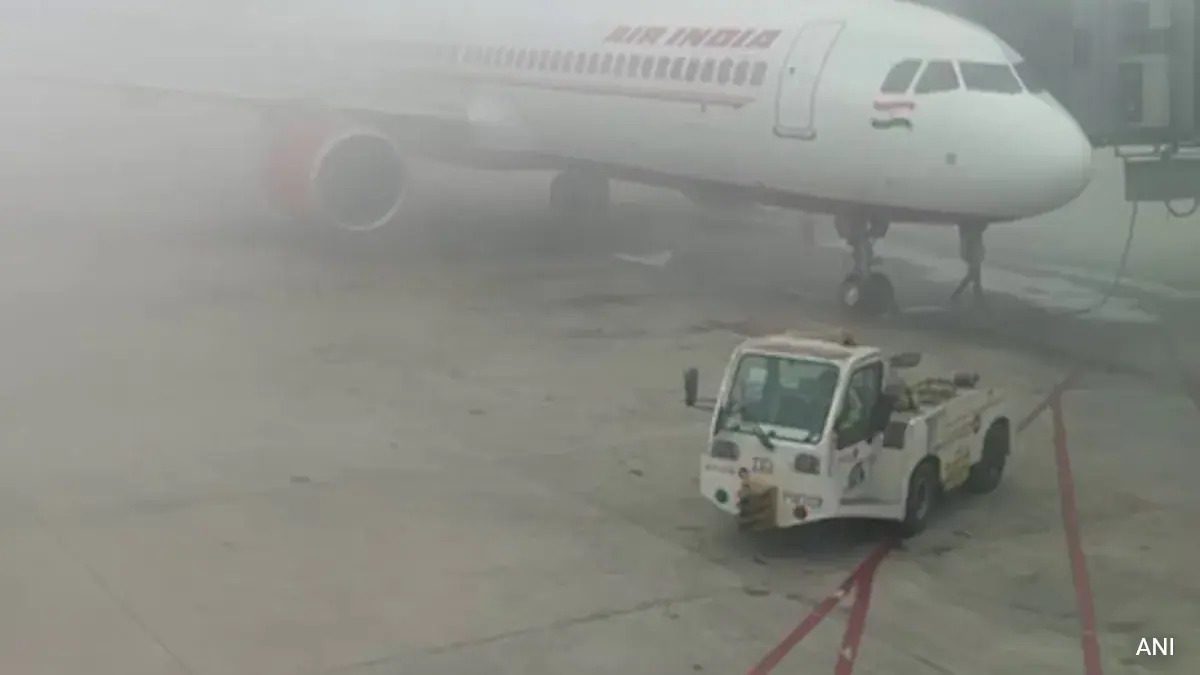
As winter tightens its grip across India, the state of Madhya Pradesh finds itself grappling with severe fog conditions, causing widespread disruptions. Among the most affected areas are Indore, where two flights were delayed, and Sendhwa, which reported a shocking visibility of just 10 meters. Other regions, including Ashoknagar and Gwalior, are also facing visibility challenges, with ranges fluctuating between 50 and 100 meters.
This article delves deep into the unfolding weather crisis, analyzing its causes, impact, and what steps can be taken to mitigate such disruptions.
flights delayed Understanding the Weather Phenomenon
The dense fog enveloping parts of Madhya Pradesh is a result of several meteorological factors, including:
- Temperature Drop:
- The winter season has brought plummeting temperatures, creating ideal conditions for fog formation, especially during the early morning hours.
- High Humidity Levels:
- Elevated humidity, coupled with cooler temperatures, has led to the condensation of water vapor near the ground, resulting in reduced visibility.
- Calm Winds:
- The absence of strong winds allows fog to linger longer, exacerbating its effects on transportation and daily life.
Impact on Air Travel in Indore
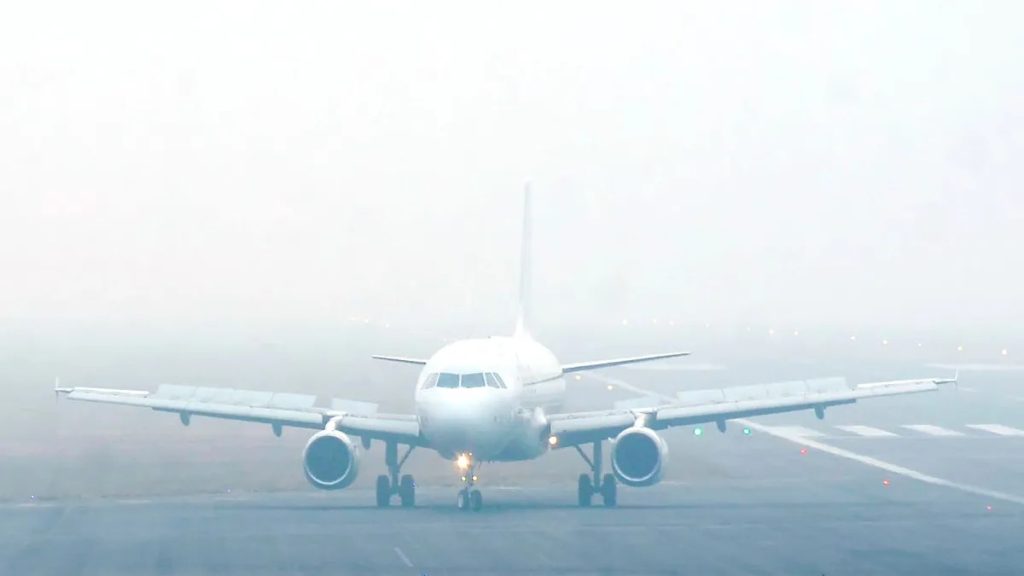
The foggy conditions in Indore led to significant disruptions at the city’s Devi Ahilya Bai Holkar Airport, a critical hub in central India.
- Delayed Flights:
- Two flights were delayed as the runway visibility range dropped below the minimum required threshold.
- Passengers reported long wait times, with some expressing concerns over missed connections and travel plans.
- Operational Challenges:
- Air Traffic Control (ATC) implemented precautionary measures, including diverting incoming flights to alternate airports.
- Pilots had to rely on advanced Instrument Landing Systems (ILS) to navigate the dense fog, increasing operational complexity.
flights delayed Ground-Level Visibility Crisis in Sendhwa
Sendhwa, a small town in Madhya Pradesh, recorded an alarmingly low visibility of just 10 meters, creating hazardous conditions for residents and commuters.
- Traffic Disruptions:
- The dense fog severely impacted road transportation, with vehicles moving at a snail’s pace to avoid accidents.
- Reports of minor collisions and traffic jams emerged from major highways, including the Agra-Mumbai National Highway that passes through Sendhwa.
- Impact on Daily Life:
- School schedules were affected, with authorities delaying start times to ensure student safety.
- Businesses and markets experienced reduced footfall during the morning hours due to the challenging conditions.
flights delayed Visibility Woes in Ashoknagar and Gwalior
The visibility in Ashoknagar and Gwalior ranged between 50 and 100 meters, enough to disrupt daily activities and transportation systems.
- Railway Delays:
- Trains passing through these regions reported delays as fog blanketed the tracks, reducing visibility for train operators.
- Passengers at stations faced long waits, with limited amenities adding to their woes.
- Public Safety Concerns:
- Police and traffic personnel were deployed to manage road safety, but the dense fog made their task challenging.
- Emergency response units remained on high alert to handle potential accidents or medical emergencies.
flights delayed Broader Implications of Fog in Madhya Pradesh
The ongoing weather conditions highlight the broader challenges posed by fog in Madhya Pradesh:
- Economic Impact:
- Transportation delays disrupt supply chains, affecting industries reliant on timely deliveries.
- Local businesses, especially those dependent on morning hours, face reduced revenue during foggy days.
- Health Risks:
- Prolonged exposure to cold and damp conditions can exacerbate respiratory issues, especially among the elderly and children.
- The lack of visibility also increases the risk of accidents, leading to physical injuries.
- Agricultural Concerns:
- Fog can have a mixed impact on agriculture, benefiting certain crops by retaining moisture but potentially damaging others due to low temperatures and lack of sunlight.
flights delayed Steps Taken to Address the Situation
Authorities in Madhya Pradesh have initiated several measures to mitigate the effects of the dense fog:
- Airport Preparedness:
- Deployment of Category III Instrument Landing Systems (CAT-III ILS) at airports to enable safer landings in low-visibility conditions.
- Additional staffing at ATC and ground support teams to manage delays and ensure passenger safety.
- Road Safety Initiatives:
- Installation of reflective markers and fog lights on highways to guide vehicles.
- Public advisories encouraging drivers to reduce speeds and use fog lamps during travel.
- Community Support:
- Local governments have set up temporary shelters to protect vulnerable populations, such as the homeless, from the cold.
- Distribution of blankets and warm clothing by NGOs and community groups.
flights delayed Tips for Navigating Foggy Conditions
For individuals living in or traveling through fog-affected areas, these tips can enhance safety and comfort:
- While Driving:
- Maintain a safe distance from other vehicles.
- Use low-beam headlights and fog lamps for better visibility.
- Avoid sudden braking to prevent rear-end collisions.
- For Pedestrians:
- Wear bright or reflective clothing to remain visible to drivers.
- Avoid crossing roads in areas with poor visibility.
- General Precautions:
- Stay indoors during peak fog hours if possible.
- Use air purifiers to maintain indoor air quality, as fog can carry pollutants.
flights delayed The Science Behind Fog Formation
Understanding the scientific basis of fog can help demystify its occurrence:
- Types of Fog:
- Radiation Fog: Forms on clear nights when the ground cools rapidly, cooling the air above it to the dew point.
- Advection Fog: Occurs when warm, moist air passes over a cooler surface, leading to condensation.
- Valley Fog: Common in low-lying areas like Sendhwa, caused by temperature inversions trapping moisture.
- Role of Climate:
- Climate change may be altering fog patterns, with implications for agriculture, transportation, and public health.
flights delayed Case Studies: Lessons from Other Regions
Examining how other regions manage fog can provide valuable insights:
- Delhi NCR:
- The region’s Graded Response Action Plan (GRAP) includes measures like banning construction during severe fog to reduce pollution.
- Europe:
- Countries like the UK use advanced traffic management systems and weather forecasting to mitigate fog-related disruptions.
- China:
- Fog-prone cities like Beijing employ large-scale air purification systems and regulate vehicle emissions during peak fog seasons.
flights delayed Future Outlook: Preparing for Foggy Winters
As fog becomes an increasingly common winter phenomenon in Madhya Pradesh, a long-term strategy is essential:
- Investments in Infrastructure:
- Expanding the use of advanced navigation systems at airports and on highways.
- Building weather-resistant public transportation facilities.
- Public Awareness Campaigns:
- Educating citizens about fog safety through social media, schools, and community programs.
- Technological Innovations:
- Leveraging AI and satellite data to improve weather prediction accuracy.
- Developing fog-dispersal technologies, such as heated runways and highways.
flights delayed Conclusion
flights delayed The dense fog currently gripping Madhya Pradesh serves as a stark reminder of nature’s power to disrupt modern life. From delayed flights in Indore to near-zero visibility in Sendhwa, the challenges posed by this weather phenomenon require coordinated efforts from authorities, communities, and individuals alike.
flights delayed By investing in better infrastructure, promoting public awareness, and embracing innovation, Madhya Pradesh can mitigate the impact of future foggy winters, ensuring safety, economic stability, and a better quality of life for its residents.
Read More latest news

