
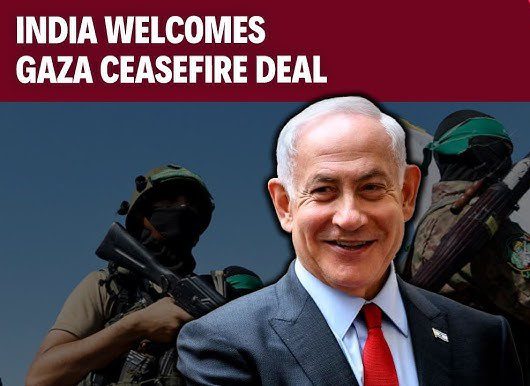
India Welcomes Israel-Hamas Ceasefire Deal:
India Welcomes Israel In a significant development amid ongoing tensions in the Middle East, India welcomed the recently brokered ceasefire agreement between Israel and Hamas. The deal, mediated by international stakeholders including Egypt, Qatar, and the United States, aims to halt the escalating violence in Gaza and ensure the steady supply of humanitarian assistance to the besieged region. This agreement is being hailed as a critical step toward stabilizing the region and addressing the urgent needs of millions of Palestinians affected by the conflict.
Here’s an in-depth analysis of the situation, India’s response, and the potential implications for the region and beyond.
India Welcomes Israel The Context of the Ceasefire
Renewed Violence in Gaza
The Israeli-Palestinian conflict saw a sharp escalation in recent months, with clashes intensifying between Israel’s military forces and Hamas, the de facto governing authority in Gaza. The violence resulted in extensive loss of life, destruction of infrastructure, and displacement of thousands of civilians.
- Over 15,000 casualties, including women and children, were reported in Gaza.
- Key infrastructure, including hospitals, schools, and power plants, sustained severe damage, exacerbating the humanitarian crisis.
India Welcomes Israel Mediation Efforts
Global actors intervened to negotiate a ceasefire, with Egypt, Qatar, and the United States playing leading roles. The agreement includes commitments from both sides:
- Israel pledged to ease its blockade on Gaza, allowing the entry of essential supplies, including food, water, and medical aid.
- Hamas agreed to halt rocket attacks on Israeli territory and ensure the safe passage of aid workers.
India Welcomes Israel Stance on the Ceasefire
India, with its longstanding policy of advocating for peaceful resolution through dialogue, issued an official statement welcoming the ceasefire agreement. The Ministry of External Affairs (MEA) expressed hope that the truce would provide a foundation for sustained peace in the region and facilitate the supply of humanitarian assistance to the people of Gaza.
Key Highlights of India’s Response
- Support for Humanitarian Efforts
India emphasized the importance of ensuring uninterrupted humanitarian aid to Gaza, recognizing the dire conditions faced by its civilian population.- India has committed to sending medical supplies and relief materials to assist the ongoing humanitarian efforts.
- Call for Dialogue and Two-State Solution
Reiterating its consistent position, India underscored the need for direct negotiations between Israel and Palestine to achieve a lasting solution based on the two-state framework. - Condemnation of Violence
India condemned all acts of violence targeting civilians, calling for restraint from both parties to prevent further escalation.
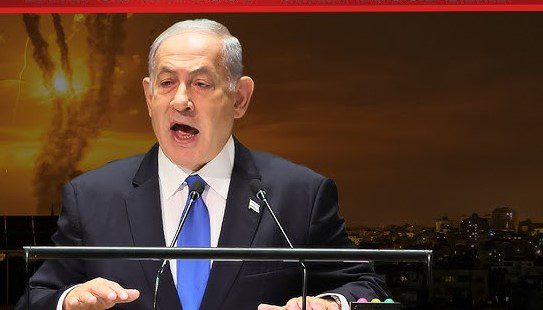
India Welcomes Israel Challenges in Implementing the Ceasefire
While the ceasefire brings temporary relief, significant challenges remain in ensuring its success:
- Fragile Trust Between Parties
- Israel and Hamas have a history of ceasefire agreements collapsing due to mistrust and provocations.
- Any minor incident could potentially reignite hostilities.
- Humanitarian Crisis in Gaza
- Over two million people in Gaza face shortages of basic necessities.
- Ensuring sustained delivery of aid without disruption is a logistical and political challenge.
- Broader Geopolitical Dynamics
- Regional actors such as Iran and Saudi Arabia, as well as global powers like the U.S. and Russia, have competing interests in the Middle East.
- These dynamics could complicate efforts to maintain peace.
India Welcomes Israel Implications of the Ceasefire
For Gaza
The immediate priority is addressing the humanitarian crisis. Aid agencies and international organizations are mobilizing resources to rebuild Gaza’s infrastructure and provide relief to its people.
For Israel
The ceasefire offers Israel an opportunity to stabilize its security situation while addressing international criticism over its military operations in Gaza.
For the Global Community
The ceasefire underscores the importance of international mediation in conflict resolution. It also highlights the urgent need for reforms in international mechanisms to address long-standing conflicts effectively.
India Welcomes Israel Role in the Region
India’s response to the ceasefire reflects its broader approach to Middle Eastern politics.
- Balanced Relations: India maintains strong ties with both Israel and Palestine, enabling it to advocate for peace without bias.
- Contributions to Humanitarian Efforts: India has consistently supported Palestine in multilateral forums and provided developmental aid to the region.
- Strategic Partnerships: With significant energy and trade interests in the Middle East, India’s engagement in the region remains crucial to its foreign policy objectives.
India Welcomes Israel
The ceasefire between Israel and Hamas, while a significant step, is only the beginning of a long journey toward peace and stability. To ensure lasting peace:
- Strengthening Humanitarian Channels
- International actors must prioritize rebuilding Gaza’s infrastructure and providing essential services to its residents.
- Encouraging Dialogue
- Both sides must engage in constructive dialogue to address the root causes of the conflict.
- Addressing Regional Dynamics
- Comprehensive peace will require addressing the broader geopolitical complexities of the Middle East, including the roles of Iran, Saudi Arabia, and other key players.
Conclusion
India Welcomes Israel The Israel-Hamas ceasefire marks a crucial moment in the ongoing conflict, offering hope for a more stable and peaceful future. India’s welcoming of the deal reflects its commitment to humanitarian values and its role as a responsible global actor. As the world watches closely, the focus must remain on ensuring that this ceasefire leads to tangible improvements in the lives of those affected and paves the way for a long-term resolution to one of the world’s most enduring conflicts.
Read More latest News

