

Maha Kumbh For First ‘Amrit Snan’ On Makar Sankranti
Maha Kumbh The city of Prayagraj, steeped in religious and cultural significance, witnessed an overwhelming turnout of over 1.5 crore devotees for the first Amrit Snan (holy bath) of the Maha Kumbh Mela on the auspicious occasion of Makar Sankranti. This grand event, held at the confluence of the Ganga, Yamuna, and the mythical Saraswati rivers, marked the beginning of one of the largest spiritual congregations in the world.
As the sun rose on January 14, thousands of pilgrims gathered by the sacred riverbanks, braving the winter chill to take a dip that is believed to cleanse sins and bestow spiritual merit. This article explores the significance, preparations, rituals, and the vibrant cultural tapestry of the Maha Kumbh Mela 2025.
Makar Sankranti: The Gateway to Spiritual Renewal
Makar Sankranti, the Hindu festival marking the transition of the sun into the zodiac sign Capricorn (Makara), holds immense spiritual significance. It heralds longer days, symbolizing the ascent of positive energy and enlightenment.
This year, the festival coincided with the first Amrit Snan of the Maha Kumbh, magnifying its spiritual importance. Devotees believe that taking a dip in the holy rivers during this celestial alignment purifies the soul, grants liberation from the cycle of rebirth, and brings prosperity.
The Maha Kumbh Mela: A Cosmic Celebration
The Maha Kumbh Mela, held every 12 years in Prayagraj, rotates among four sites: Haridwar, Ujjain, Nashik, and Prayagraj. This year’s gathering is particularly significant as it marks the return of the festival to its largest and most iconic venue.
The Origins and Legends
The festival’s roots lie in Hindu mythology, particularly the tale of the churning of the ocean (Samudra Manthan). It is said that drops of the nectar of immortality (Amrit) fell at four locations, including Prayagraj, sanctifying the waters.
The Scale of the Event
The Maha Kumbh Mela is renowned for its scale, attracting millions of pilgrims, saints, ascetics, and tourists from across the globe. The 2025 edition is no different, with over 1.5 crore people attending the first Amrit Snan alone.
Preparations for the Maha Kumbh 2025
Months of meticulous planning and unprecedented coordination went into ensuring the safety, comfort, and spiritual fulfillment of the attendees.
1. Infrastructure and Facilities
- Temporary City: A sprawling tent city was established to accommodate pilgrims, complete with sanitation, medical facilities, and food courts.
- Transport: Special trains and buses were arranged to facilitate seamless travel to Prayagraj.
- Security: Over 50,000 police personnel, drone surveillance, and AI-powered cameras ensured a safe environment.
2. Clean Ganga Mission
A significant focus of this year’s Kumbh was on maintaining the sanctity and cleanliness of the Ganga river. The government launched campaigns to prevent pollution, involving local communities and NGOs in river-cleaning efforts.
3. Technological Integration
From mobile apps providing real-time updates on rituals and crowd management to QR codes for lost-and-found services, technology played a vital role in managing the massive influx of devotees.
The First Amrit Snan: A Visual and Spiritual Spectacle
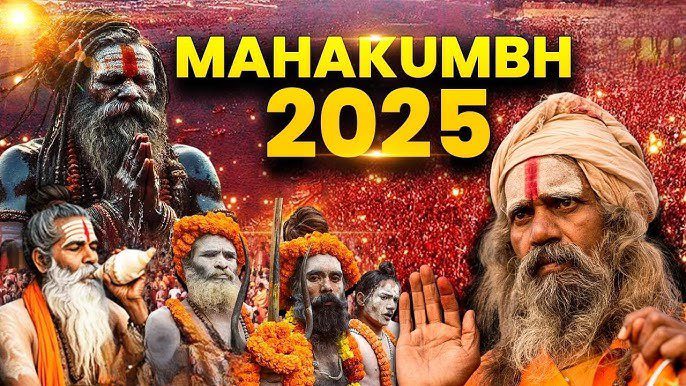
The day began with the ceremonial bath taken by the Akhadas, groups of ascetics and saints who are central to the Kumbh Mela. Clad in saffron robes or smeared with ashes, these holy men led the procession to the riverbanks amidst chants of Har Har Mahadev.
The Devotees’ Experience
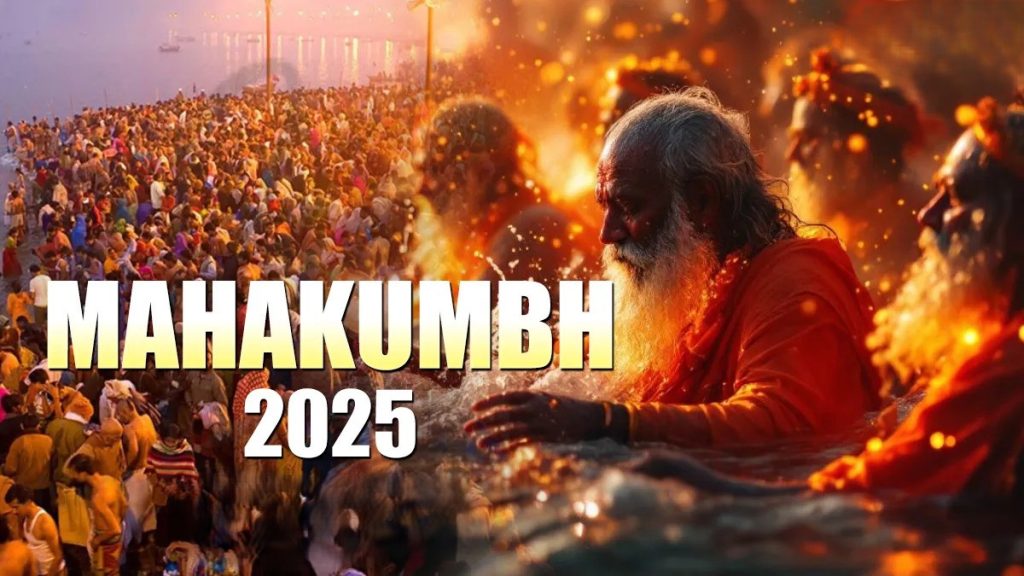
For millions of pilgrims, the first dip in the confluence of the holy rivers was a moment of profound spiritual connection. Many recited hymns and offered prayers, their faith reflecting in their faces as they emerged from the icy waters.
Cultural Extravaganza
The riverbanks came alive with devotional songs, classical music performances, and traditional dances, showcasing India’s rich cultural heritage. Spiritual discourses by renowned saints drew large crowds, adding depth to the festival’s spiritual essence.
Significance of the First Snan for Devotees
The first Amrit Snan is believed to be especially potent, as the alignment of celestial bodies enhances the spiritual benefits of the ritual. For many attendees, this was a once-in-a-lifetime opportunity:
- Spiritual Cleansing: Devotees believe the dip washes away sins and negative energies.
- Path to Liberation: It is said to pave the way for moksha (liberation from the cycle of rebirth).
- Blessings for Generations: Many participants seek blessings not only for themselves but also for their ancestors and descendants.
Challenges and the Efforts to Overcome Them
1. Managing the Crowd
With over 1.5 crore attendees, crowd control was a herculean task. Authorities deployed advanced crowd management techniques, including real-time monitoring and strategic deployment of personnel.
2. Environmental Concerns
Despite efforts to maintain cleanliness, the massive congregation posed challenges to the environment. Authorities implemented waste management systems, biodegradable alternatives, and awareness campaigns to mitigate the impact.
3. Health and Safety
Medical teams were stationed across the venue to address emergencies, while COVID-19 precautions were emphasized, with vaccination booths and sanitation points readily available.
Global Attention and Participation
The Maha Kumbh 2025 attracted not only Indian pilgrims but also international tourists and spiritual seekers. Special arrangements were made for foreign visitors, including language assistance and cultural immersion programs.
Prominent personalities, including international yoga gurus and spiritual leaders, also attended, further enhancing the festival’s global appeal.
Voices from the Ground
The atmosphere at Prayagraj was a blend of devotion, joy, and awe. Here’s what some attendees had to say:
- Sunita Devi, Pilgrim from Bihar: “Taking a dip in the holy rivers on this sacred day feels like a rebirth. I feel blessed to be here.”
- Michael Brown, Tourist from the US: “This is my first time at the Kumbh Mela, and it’s an experience of a lifetime. The energy here is indescribable.”
- Swami Pranavananda, Ascetic: “The Kumbh Mela is not just a festival; it is a reminder of our connection with the divine and the universe.”
Looking Ahead: The Remaining Snans
The Maha Kumbh 2025 will feature several other significant snans, each coinciding with auspicious dates in the Hindu calendar. Authorities are gearing up for even larger crowds as the festival progresses.
Conclusion
The first Amrit Snan of the Maha Kumbh Mela 2025 at Prayagraj was a testament to the enduring faith and devotion of millions. Beyond its spiritual significance, the event showcased India’s ability to organize and celebrate one of the world’s largest gatherings.
As the Maha Kumbh continues, it will not only deepen the spiritual journeys of attendees but also serve as a vibrant celebration of India’s rich cultural and religious heritage. The confluence of faith, tradition, and humanity at Prayagraj is a powerful reminder of the unifying force of spirituality in a diverse world.Over 1.5 Crore Devotees At Prayagraj’s Maha Kumbh For First ‘Amrit Snan’ On Makar Sankranti
The city of Prayagraj, steeped in religious and cultural significance, witnessed an overwhelming turnout of over 1.5 crore devotees for the first Amrit Snan (holy bath) of the Maha Kumbh Mela on the auspicious occasion of Makar Sankranti. This grand event, held at the confluence of the Ganga, Yamuna, and the mythical Saraswati rivers, marked the beginning of one of the largest spiritual congregations in the world.
As the sun rose on January 14, thousands of pilgrims gathered by the sacred riverbanks, braving the winter chill to take a dip that is believed to cleanse sins and bestow spiritual merit. This article explores the significance, preparations, rituals, and the vibrant cultural tapestry of the Maha Kumbh Mela 2025.
Makar Sankranti: The Gateway to Spiritual Renewal
Makar Sankranti, the Hindu festival marking the transition of the sun into the zodiac sign Capricorn (Makara), holds immense spiritual significance. It heralds longer days, symbolizing the ascent of positive energy and enlightenment.
This year, the festival coincided with the first Amrit Snan of the Maha Kumbh, magnifying its spiritual importance. Devotees believe that taking a dip in the holy rivers during this celestial alignment purifies the soul, grants liberation from the cycle of rebirth, and brings prosperity.
The Maha Kumbh Mela: A Cosmic Celebration
The Maha Kumbh Mela, held every 12 years in Prayagraj, rotates among four sites: Haridwar, Ujjain, Nashik, and Prayagraj. This year’s gathering is particularly significant as it marks the return of the festival to its largest and most iconic venue.
The Origins and Legends
The festival’s roots lie in Hindu mythology, particularly the tale of the churning of the ocean (Samudra Manthan). It is said that drops of the nectar of immortality (Amrit) fell at four locations, including Prayagraj, sanctifying the waters.
The Scale of the Event
The Maha Kumbh Mela is renowned for its scale, attracting millions of pilgrims, saints, ascetics, and tourists from across the globe. The 2025 edition is no different, with over 1.5 crore people attending the first Amrit Snan alone.
Preparations for the Maha Kumbh 2025
Months of meticulous planning and unprecedented coordination went into ensuring the safety, comfort, and spiritual fulfillment of the attendees.
1. Infrastructure and Facilities
- Temporary City: A sprawling tent city was established to accommodate pilgrims, complete with sanitation, medical facilities, and food courts.
- Transport: Special trains and buses were arranged to facilitate seamless travel to Prayagraj.
- Security: Over 50,000 police personnel, drone surveillance, and AI-powered cameras ensured a safe environment.
2. Clean Ganga Mission
A significant focus of this year’s Kumbh was on maintaining the sanctity and cleanliness of the Ganga river. The government launched campaigns to prevent pollution, involving local communities and NGOs in river-cleaning efforts.
3. Technological Integration
From mobile apps providing real-time updates on rituals and crowd management to QR codes for lost-and-found services, technology played a vital role in managing the massive influx of devotees.
The First Amrit Snan: A Visual and Spiritual Spectacle
The day began with the ceremonial bath taken by the Akhadas, groups of ascetics and saints who are central to the Kumbh Mela. Clad in saffron robes or smeared with ashes, these holy men led the procession to the riverbanks amidst chants of Har Har Mahadev.
The Devotees’ Experience
For millions of pilgrims, the first dip in the confluence of the holy rivers was a moment of profound spiritual connection. Many recited hymns and offered prayers, their faith reflecting in their faces as they emerged from the icy waters.
Cultural Extravaganza
The riverbanks came alive with devotional songs, classical music performances, and traditional dances, showcasing India’s rich cultural heritage. Spiritual discourses by renowned saints drew large crowds, adding depth to the festival’s spiritual essence.
Significance of the First Snan for Devotees
The first Amrit Snan is believed to be especially potent, as the alignment of celestial bodies enhances the spiritual benefits of the ritual. For many attendees, this was a once-in-a-lifetime opportunity:
- Spiritual Cleansing: Devotees believe the dip washes away sins and negative energies.
- Path to Liberation: It is said to pave the way for moksha (liberation from the cycle of rebirth).
- Blessings for Generations: Many participants seek blessings not only for themselves but also for their ancestors and descendants.
Challenges and the Efforts to Overcome Them
1. Managing the Crowd
With over 1.5 crore attendees, crowd control was a herculean task. Authorities deployed advanced crowd management techniques, including real-time monitoring and strategic deployment of personnel.
2. Environmental Concerns
Despite efforts to maintain cleanliness, the massive congregation posed challenges to the environment. Authorities implemented waste management systems, biodegradable alternatives, and awareness campaigns to mitigate the impact.
3. Health and Safety
Medical teams were stationed across the venue to address emergencies, while COVID-19 precautions were emphasized, with vaccination booths and sanitation points readily available.
Global Attention and Participation
The Maha Kumbh 2025 attracted not only Indian pilgrims but also international tourists and spiritual seekers. Special arrangements were made for foreign visitors, including language assistance and cultural immersion programs.
Prominent personalities, including international yoga gurus and spiritual leaders, also attended, further enhancing the festival’s global appeal.
Voices from the Ground
The atmosphere at Prayagraj was a blend of devotion, joy, and awe. Here’s what some attendees had to say:
- Sunita Devi, Pilgrim from Bihar: “Taking a dip in the holy rivers on this sacred day feels like a rebirth. I feel blessed to be here.”
- Michael Brown, Tourist from the US: “This is my first time at the Kumbh Mela, and it’s an experience of a lifetime. The energy here is indescribable.”
- Swami Pranavananda, Ascetic: “The Kumbh Mela is not just a festival; it is a reminder of our connection with the divine and the universe.”
Looking Ahead: The Remaining Snans
The Maha Kumbh 2025 will feature several other significant snans, each coinciding with auspicious dates in the Hindu calendar. Authorities are gearing up for even larger crowds as the festival progresses.
Conclusion
The first Amrit Snan of the Maha Kumbh Mela 2025 at Prayagraj was a testament to the enduring faith and devotion of millions. Beyond its spiritual significance, the event showcased India’s ability to organize and celebrate one of the world’s largest gatherings.
As the Maha Kumbh continues, it will not only deepen the spiritual journeys of attendees but also serve as a vibrant celebration of India’s rich cultural and religious heritage. The confluence of faith, tradition, and humanity at Prayagraj is a powerful reminder of the unifying force of spirituality in a diverse world.
Read more Latest News

