
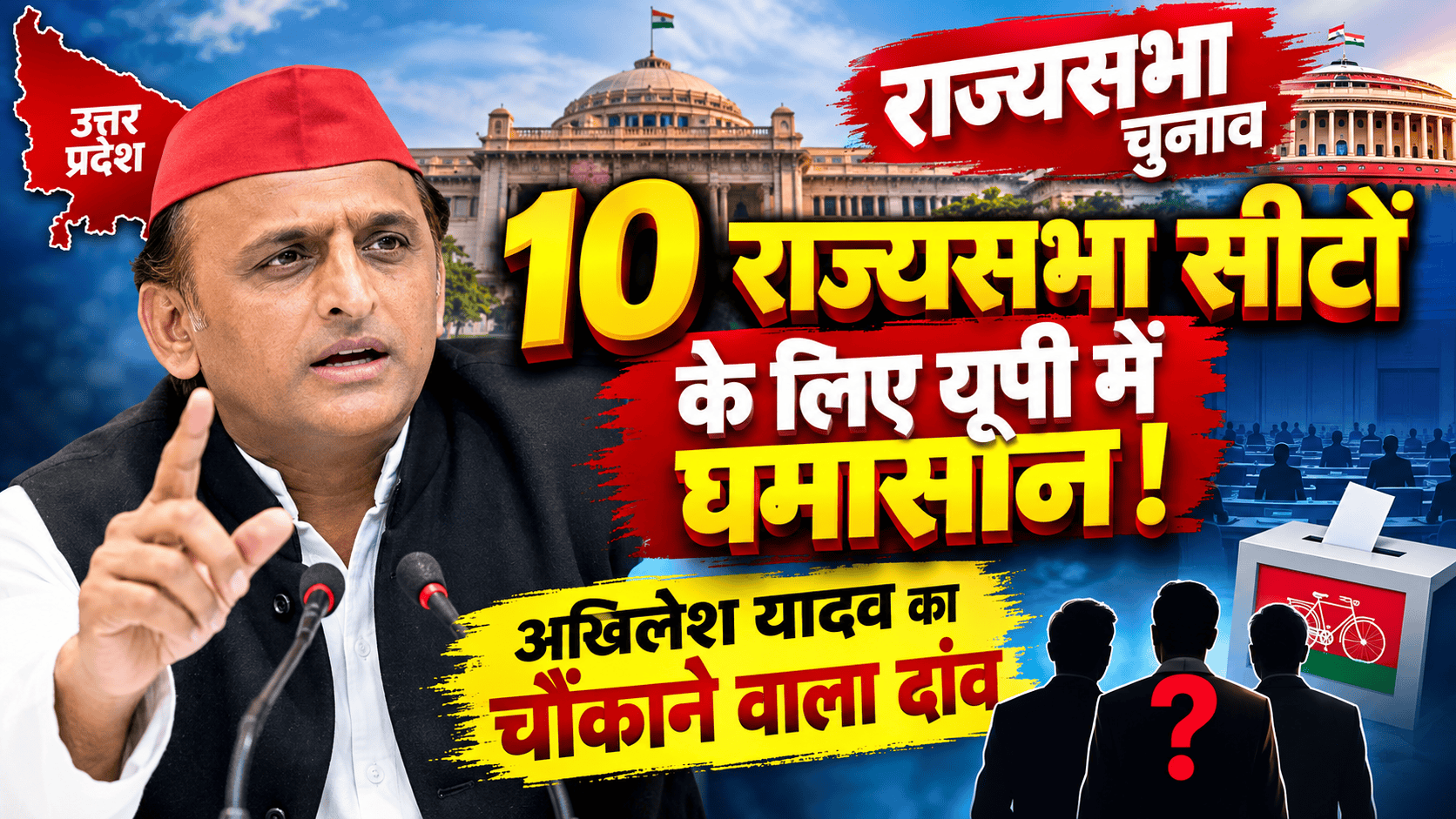
Elections for Ten Rajya Sabha Seats in Uttar Pradesh: Akhilesh Yadav Hints at a Surprise Move
Uttar Pradesh Rajya Sabha Contest Could Become a Major Political Test
The Elections for ten Rajya Sabha seats in Uttar Pradesh are expected to attract considerable political attention as parties prepare their strategies for the upcoming contest. With the numbers in the Uttar Pradesh Legislative Assembly playing an important role in the election process, the ruling and opposition parties are carefully assessing their respective positions. Amid this political activity, Samajwadi Party National President Akhilesh Yadav has added an element of suspense by indicating that he may make a surprise move.
The Elections for ten Rajya Sabha seats are particularly significant because the outcome could influence the balance of political representation from Uttar Pradesh in the Upper House. The Rajya Sabha election is not conducted through direct voting by the public. Instead, elected members of the state legislative assembly participate in the process through proportional representation using the single transferable vote system.
Akhilesh Yadav’s statement has therefore generated speculation within political circles. The SP chief reportedly said on Monday that he would spring a surprise in connection with the Rajya Sabha elections. While he did not publicly reveal the details of his strategy, his statement has encouraged discussions about the possibility of the Samajwadi Party fielding additional candidates.
Why Akhilesh Yadav Surprise Matters
The Elections for ten Rajya Sabha seats could become more complicated if the Samajwadi Party decides to enter the contest with three candidates. Political analysts are examining whether the party has sufficient numbers or whether it would need support from other opposition parties or independent legislators to make such a strategy viable.
The Elections for ten Rajya Sabha seats involve a calculation based on the strength of political parties in the Uttar Pradesh Assembly. Unlike a Lok Sabha election, where candidates directly seek votes from the electorate, Rajya Sabha candidates depend on the votes of elected MLAs. This makes coordination among political parties extremely important.
Akhilesh Yadav’s surprise announcement has consequently become a subject of discussion among party workers and political observers. If the SP fields three candidates, the party’s leadership will have to carefully calculate the votes required for each candidate and determine how its available strength can be distributed.
SP Could Field Three Candidates
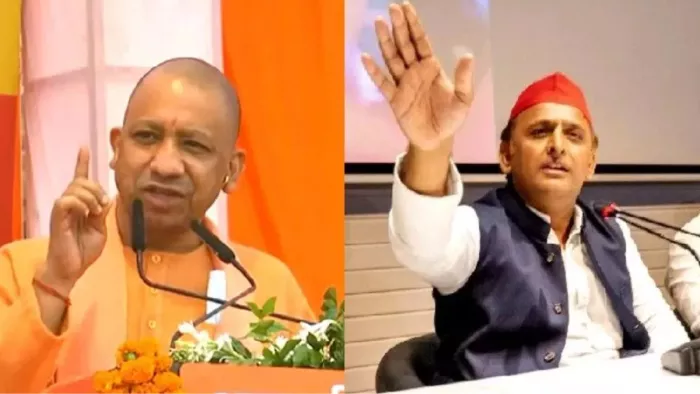
The possibility of the Samajwadi Party fielding three candidates has become one of the most discussed aspects of the Elections for ten Rajya Sabha seats. Political analysts believe that the SP could explore this option depending on the final political arithmetic.
The Elections for ten Rajya Sabha seats could see an interesting contest if more candidates enter the race than can comfortably be elected according to the available numbers. In such a situation, second-preference votes and cross-party support could become important.
However, the final candidate list and strategy of the Samajwadi Party will determine how the contest develops. Akhilesh Yadav has not publicly disclosed the nature of the surprise he referred to, leaving room for speculation.
For the SP, candidate selection will also carry political significance. The party may consider individuals with strong political credentials, representation from particular social groups, or candidates who could strengthen its broader political messaging.
BJP and Opposition Strategy
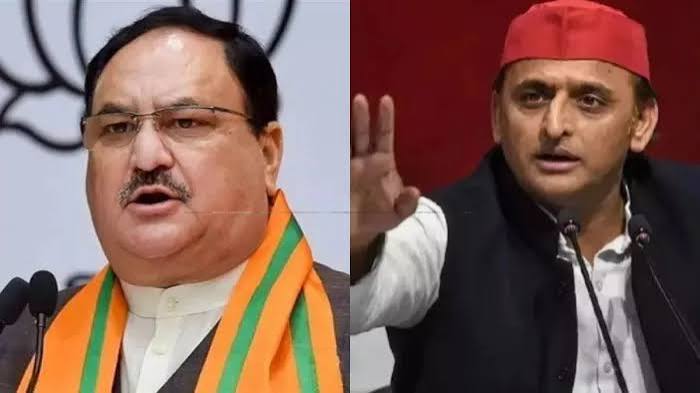
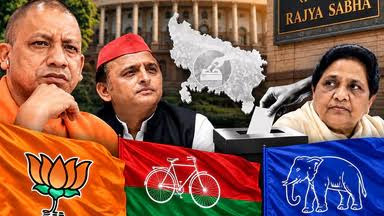
The Elections for ten Rajya Sabha seats will also require the Bharatiya Janata Party and its allies to closely monitor the SP’s decisions. The BJP’s assembly strength gives it an important position in the electoral arithmetic, but the final outcome will depend on the number of candidates fielded by each party and the distribution of votes.
The Elections for ten Rajya Sabha seats could therefore turn into a test of political coordination. Parties will have to ensure that their MLAs vote according to the officially announced strategy. In multi-candidate contests, even relatively small changes in vote distribution can affect the final result.
For opposition parties, coordination could become particularly relevant if the SP seeks support for an additional candidate. Discussions regarding common candidates or voting strategies could emerge as the election approaches.
Why Rajya Sabha Elections Are Different
The Elections for ten Rajya Sabha seats are different from regular assembly or parliamentary elections because voters do not directly select the Rajya Sabha members. MLAs cast their votes, and candidates need to secure the required quota under the proportional representation system.
The Elections for ten Rajya Sabha seats therefore make political mathematics extremely important. A party’s assembly strength, alliances, candidate numbers and voting preferences can all influence the outcome.
The system also means that political parties often engage in extensive discussions before finalizing candidates. In some circumstances, parties may decide to nominate candidates based on their ability to attract support beyond their own legislative strength.
Akhilesh Yadav Keeps the Strategy Under Wraps
The Elections for ten Rajya Sabha seats have already generated speculation because of Akhilesh Yadav’s statement. His decision to publicly hint at a surprise without revealing details has added uncertainty to the political conversation.
The Elections for ten Rajya Sabha seats could become particularly interesting if the SP leadership ultimately confirms that it intends to field three candidates. Such a move would require a detailed assessment of the party’s numbers and the possibility of securing additional votes.
Akhilesh Yadav’s strategy may also be linked to the broader political positioning of the Samajwadi Party. The party has been seeking to consolidate its support base in Uttar Pradesh, and the selection of Rajya Sabha candidates can become part of that larger political strategy.
Candidate Selection May Hold the Key
The Elections for ten Rajya Sabha seats are not only about numbers but also about who gets the opportunity to represent Uttar Pradesh in the Upper House. Political parties frequently use Rajya Sabha nominations to give representation to senior leaders, specialists, social groups and political allies.
The Elections for ten Rajya Sabha seats may therefore witness intense discussions within the Samajwadi Party before the final names are announced. If three candidates are selected, the party will have to balance electoral calculations with internal political considerations.
For political observers, the biggest question remains what Akhilesh Yadav meant when he referred to a surprise. Until the party officially announces its candidates and strategy, several possibilities remain open.
What Happens Next?
The Elections for ten Rajya Sabha seats are expected to enter a more decisive phase once political parties announce their candidates. The filing of nominations will provide a clearer picture of the number of candidates and the likely level of competition.
The Elections for ten Rajya Sabha seats could ultimately remain straightforward if parties field candidates according to their numerical strength. However, a larger-than-expected number of candidates could make the contest more closely watched.
The Elections for ten Rajya Sabha seats have already become politically significant because Akhilesh Yadav has indicated that the Samajwadi Party may have something unexpected in store. Whether that surprise involves three SP candidates or another political strategy will become clear only after the party makes its formal announcement.
The Elections for ten Rajya Sabha seats will consequently be closely followed by political parties, legislators and observers across Uttar Pradesh. The final candidate list, alliance calculations and voting strategy will determine the shape of the contest.
For now, the Elections for ten Rajya Sabha seats remain surrounded by speculation, while Akhilesh Yadav’s surprise statement has ensured that attention remains firmly focused on the Samajwadi Party’s next move.
Read more latest news

