
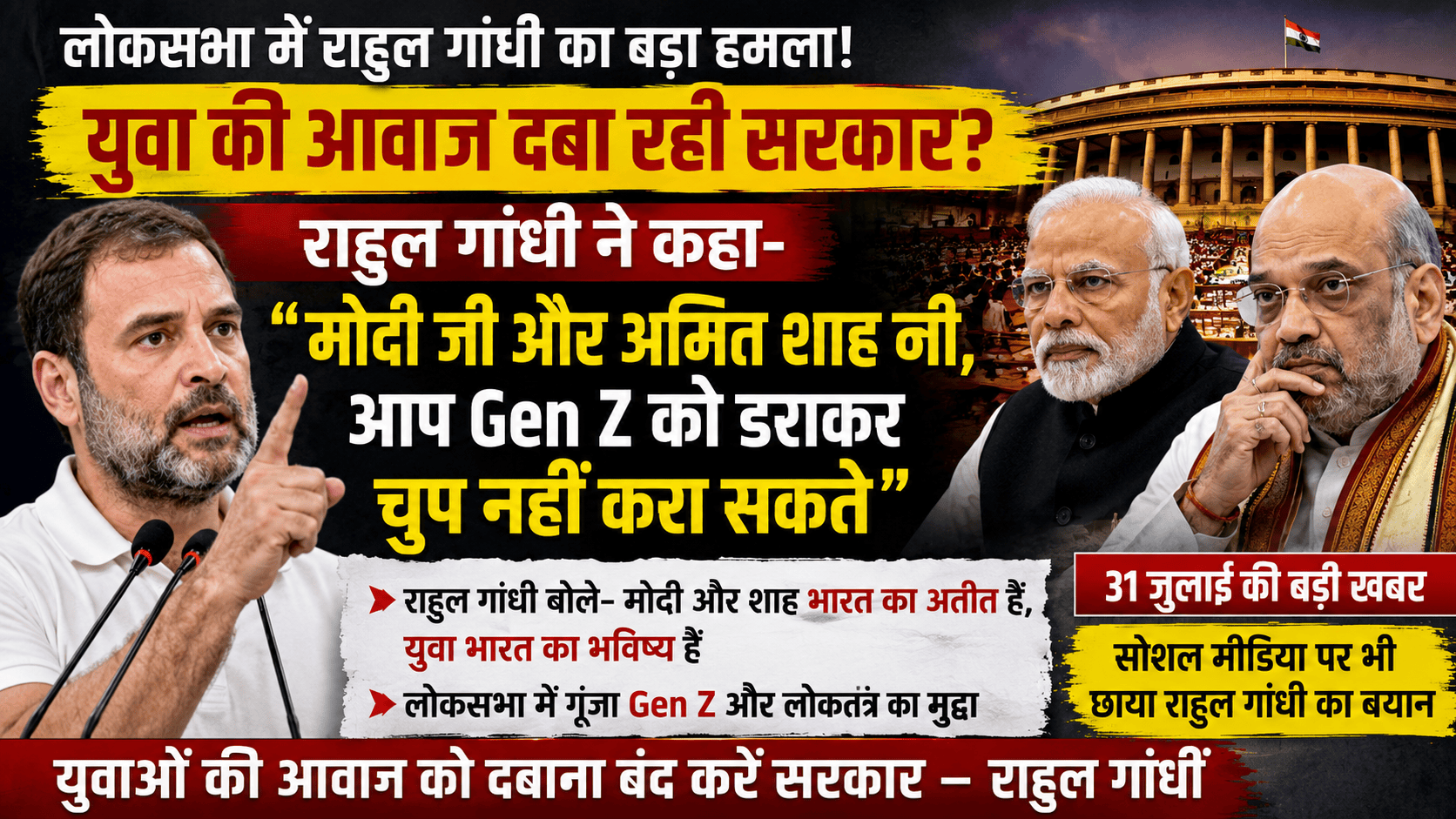
Rahul Gandhi accused PM Modi: Lok Sabha Speech Sparks Political Debate Over Youth, Gen Z and Democracy
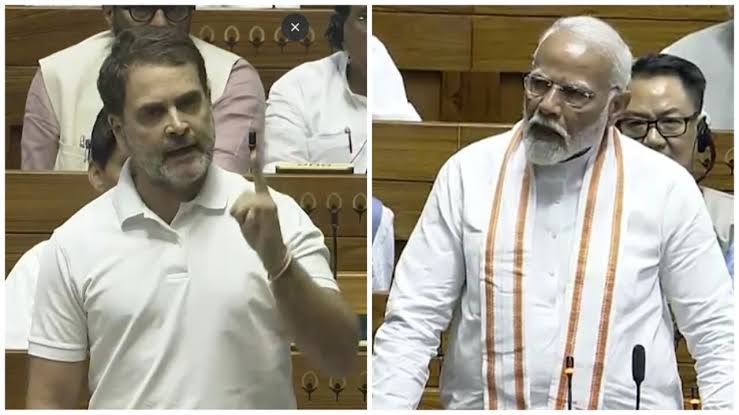
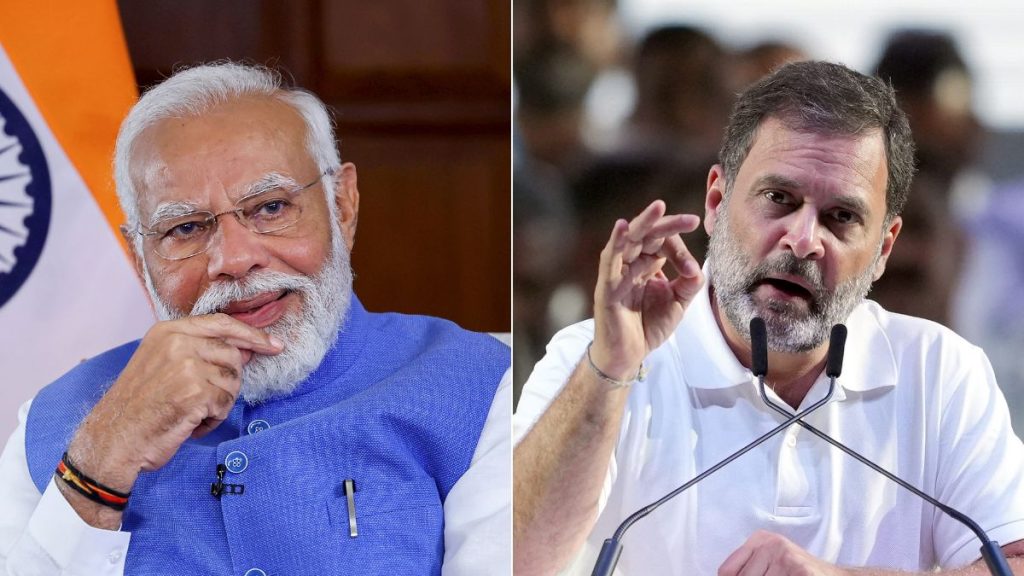
A major political confrontation unfolded in Parliament on 31 July after Rahul Gandhi accused PM Modi and Union Home Minister Amit Shah of attempting to suppress the voices of India’s youth. Speaking in the Lok Sabha on Friday, the Leader of the Opposition said that Prime Minister Narendra Modi and Home Minister Amit Shah represent “India’s past,” while today’s young generation represents “India’s future.” His remarks quickly became the center of political debate, drawing sharp reactions from both the ruling alliance and the opposition.
The controversy intensified after Rahul Gandhi accused PM Modi once again through a post on social media platform X. In his message, he stated, “Modi ji and Amit Shah ji, you cannot silence Gen Z by intimidating them.” The statement rapidly gained attention online and fueled discussions about youth participation in democracy, freedom of expression, and the role of young citizens in shaping India’s future.
Rahul Gandhi accused PM Modi During Lok Sabha Debate
The political temperature rose in the Lok Sabha when Rahul Gandhi accused PM Modi of ignoring the concerns of young Indians. Addressing the House, Rahul Gandhi argued that students and young citizens deserve to have their voices heard instead of being discouraged from raising important issues.
According to Rahul Gandhi, India is witnessing a generation that is more aware, connected, and determined to seek accountability from political leaders. He maintained that democracy becomes stronger when young people actively participate in public debate.
His speech immediately became one of the most discussed moments of the parliamentary session.
Rahul Gandhi’s Remarks on Gen Z
During his address, Rahul Gandhi accused PM Modi and Amit Shah of representing the politics of the past while describing Gen Z as the force that will shape India’s future.
He said political leaders should be careful about how they treat young people because they are the citizens who will determine the country’s future direction.
Rahul Gandhi argued that intimidation cannot silence a generation that has grown up in the digital era and has access to information through multiple platforms.
His comments were widely circulated across television channels and social media.
Social Media Post Intensifies Political Debate
Soon after his parliamentary speech, Rahul Gandhi accused PM Modi once again through a post on X.
In the message, he wrote:
“Modi ji and Amit Shah ji, you cannot silence Gen Z by intimidating them.”
The post quickly attracted widespread attention, with supporters praising his statement while critics questioned his allegations.
The debate soon extended beyond Parliament and dominated online political discussions throughout the day.
Opposition’s Stand on Youth Issues
The latest episode in which Rahul Gandhi accused PM Modi also highlighted the opposition’s emphasis on issues affecting students and young citizens.
Opposition leaders argued that employment opportunities, examination transparency, education reforms, and freedom of expression remain among the biggest concerns facing India’s youth.
Rahul Gandhi maintained that elected governments must engage with young citizens instead of dismissing their voices.
He said democratic institutions become stronger when governments listen to criticism rather than viewing dissent as opposition.
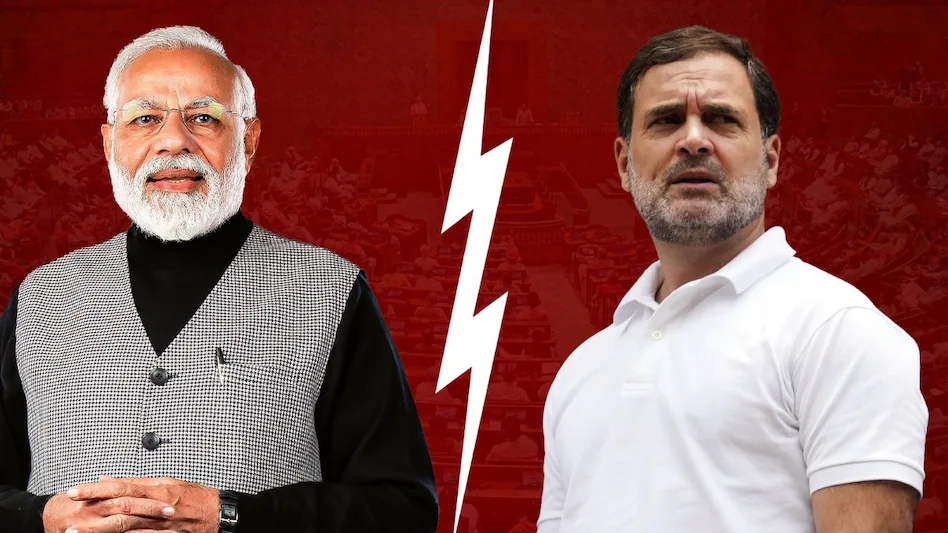
BJP Responds to Rahul Gandhi’s Allegations
After Rahul Gandhi accused PM Modi, leaders from the ruling alliance strongly rejected his claims.
BJP leaders defended the government’s record, arguing that multiple initiatives have been launched for education, entrepreneurship, digital innovation, skill development, and employment generation.
They maintained that the government remains committed to empowering India’s youth through various welfare and development programs.
Several BJP leaders also criticized Rahul Gandhi’s remarks, calling them politically motivated.
Youth Becomes Central Political Theme
The fact that Rahul Gandhi accused PM Modi over issues concerning Gen Z has once again placed young voters at the center of India’s political discourse.
India has one of the world’s largest youth populations, making young voters an important political constituency.
Political analysts believe that concerns relating to education, competitive examinations, employment, digital opportunities, and economic growth are increasingly influencing electoral politics.
As a result, both the government and the opposition continue to focus heavily on youth-related issues.
Parliament Witnesses Heated Exchanges
The parliamentary session witnessed several sharp exchanges after Rahul Gandhi accused PM Modi during his speech.
Members from both sides defended their respective positions, leading to an intense debate inside the Lok Sabha.
While opposition MPs argued that democratic criticism should be welcomed, treasury bench members insisted that the government has consistently worked for the welfare of young Indians.
The discussion reflected the growing political significance of issues connected with youth participation and democratic engagement.
Political Significance of the Statement
Political observers believe that Rahul Gandhi accused PM Modi at a time when youth-related issues continue to dominate public discussion.
Students, competitive examinations, employment opportunities, and digital freedom have emerged as major topics in national politics.
Analysts suggest that the opposition is attempting to present itself as a stronger voice for young citizens, while the ruling alliance continues highlighting its governance record.
This difference in political messaging is expected to remain prominent in the coming months.
Public Reaction on Social Media
The moment Rahul Gandhi accused PM Modi, social media platforms witnessed widespread discussion.
Supporters argued that Rahul Gandhi had highlighted genuine concerns regarding the aspirations of India’s younger generation.
Others defended the Prime Minister and Home Minister, stating that the government has introduced several initiatives benefiting students and youth.
Hashtags related to Rahul Gandhi’s speech, Gen Z, Parliament, and youth politics trended throughout the day, reflecting significant public engagement.
What Makes Gen Z Politically Important?
India’s Gen Z represents millions of first-time and young voters who are increasingly active on digital platforms.
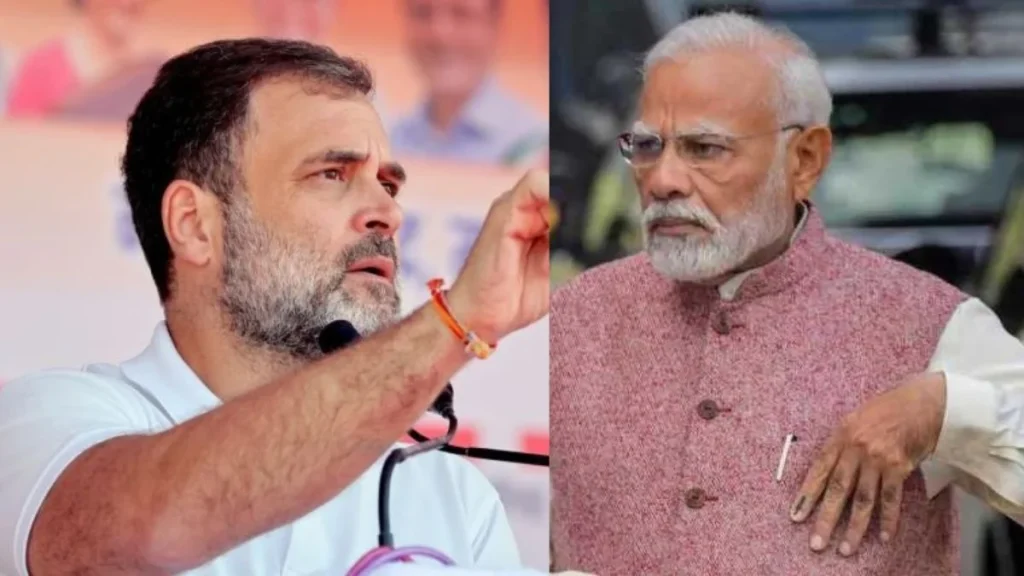
When Rahul Gandhi accused PM Modi, many political analysts viewed his comments as an effort to connect with this emerging voter base.
Young Indians today actively participate in discussions related to education, employment, entrepreneurship, technology, governance, and public policy.
Political parties across the spectrum are therefore placing greater emphasis on issues affecting this generation.
Conclusion
The debate that began after Rahul Gandhi accused PM Modi and Amit Shah in the Lok Sabha has once again highlighted the growing importance of youth in Indian politics. Rahul Gandhi argued that young people cannot be silenced through intimidation and described Gen Z as the future of India, while also stating that Prime Minister Narendra Modi and Home Minister Amit Shah represent the country’s past.
His remarks, reinforced through a social media post on X, have generated intense political discussion across Parliament and online platforms. As political parties continue engaging with issues concerning students, employment, education, and democratic participation, the role of India’s youth is expected to remain central to the national political conversation in the months ahead.
Read more latest news

