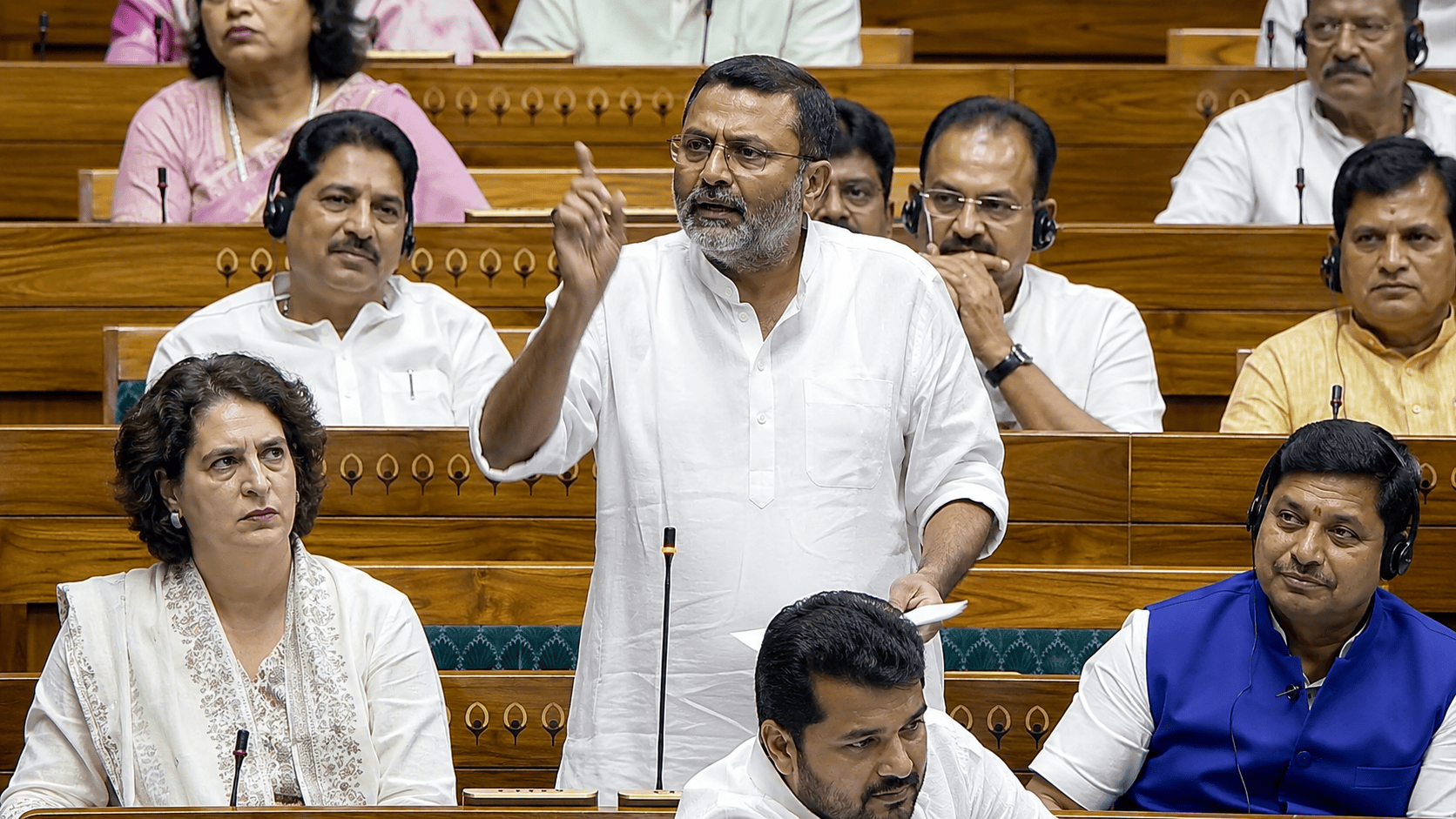
Nishikant Dubey Say in Parliament: Heated Lok Sabha Debate Over Public Examinations Amendment Bill 2026.
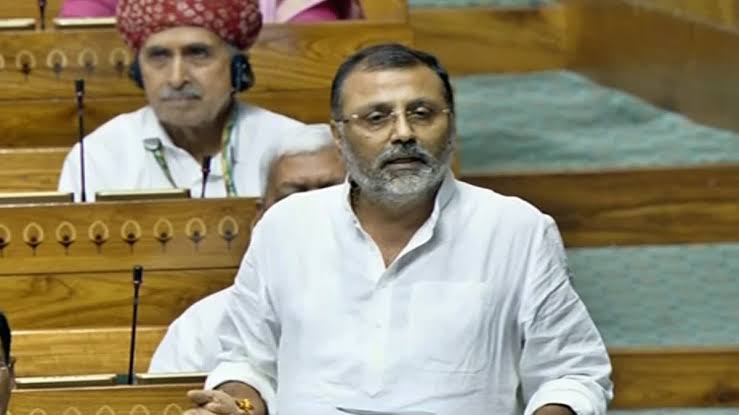
Nishikant Dubey Say in Parliament became one of the most talked-about topics after the BJP MP stood by his earlier remarks concerning India’s first Prime Minister, Jawaharlal Nehru. The discussion on the Public Examinations (Prevention of Unfair Means) Amendment Bill, 2026 witnessed dramatic scenes in the Lok Sabha as sharp exchanges erupted between the ruling BJP-led NDA government and the opposition parties. The debate, which was expected to focus on measures to curb paper leaks and strengthen the integrity of public examinations, soon turned into a politically charged confrontation.
The atmosphere inside Parliament became increasingly tense during Congress MP Priyanka Gandhi Vadra’s speech. Members from both sides exchanged sharp remarks, leading to repeated interventions by the Speaker to maintain order. Throughout the debate, Nishikant Dubey Say in Parliament dominated political discussions both inside and outside the House.
Heated Debate Over the Amendment Bill
The Public Examinations (Prevention of Unfair Means) Amendment Bill, 2026 has been introduced with the objective of strengthening laws against paper leaks, examination fraud, and organized cheating networks. The government has argued that the amendment is necessary to restore confidence among millions of students preparing for competitive examinations across India.
While the ruling party emphasized the need for strict action against examination mafias, opposition leaders questioned whether legislation alone would solve the recurring issue of paper leaks. During this intense debate, Nishikant Dubey Say in Parliament became a major political talking point.
BJP MPs defended the government’s commitment to educational reforms, whereas Congress members alleged that repeated examination irregularities reflected administrative failures. As the arguments intensified, the House witnessed several interruptions and vocal protests.
Priyanka Gandhi Vadra’s Speech Sparks Reactions
Congress MP Priyanka Gandhi Vadra criticized the government over repeated examination controversies and demanded greater accountability. She argued that lakhs of students continue to suffer because of recurring paper leak incidents affecting various recruitment and entrance examinations.
Her speech drew immediate responses from BJP members, leading to loud exchanges across the treasury and opposition benches. It was during this phase of the debate that Nishikant Dubey Say in Parliament once again became a focal point.
Several members attempted to intervene, forcing the Speaker to repeatedly urge both sides to maintain parliamentary decorum.
Nishikant Dubey Reiterates Earlier Remarks
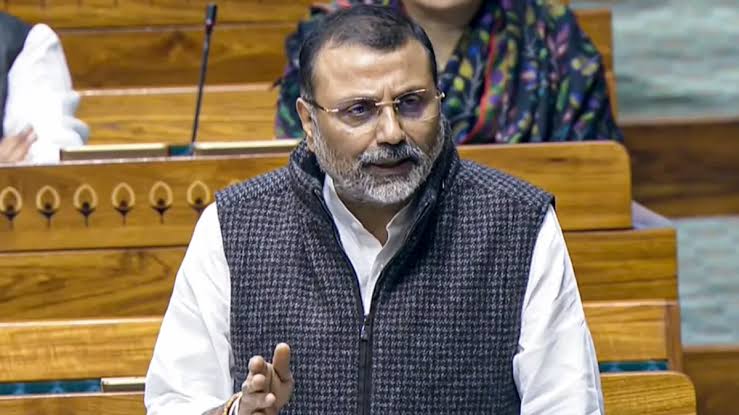
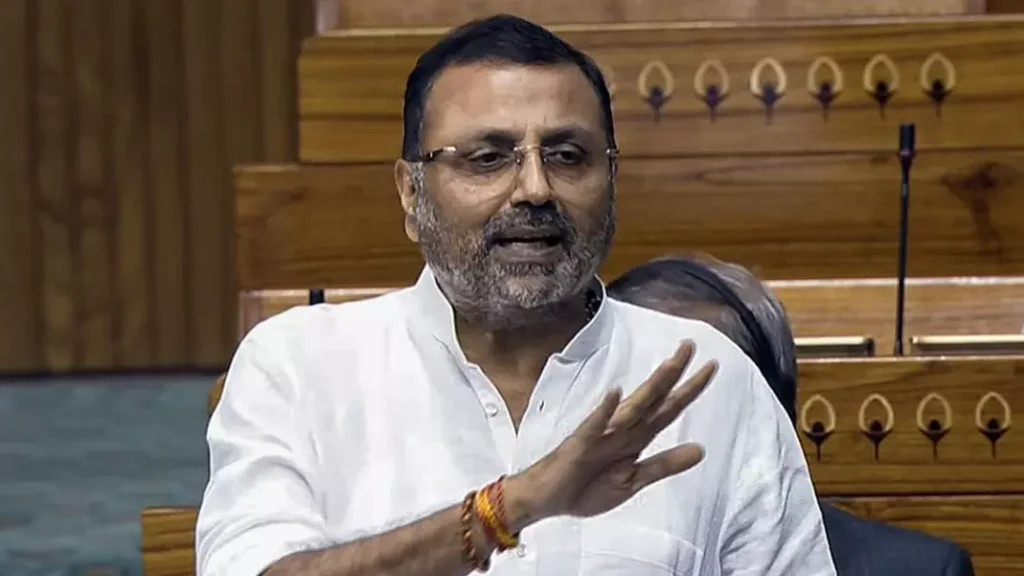
One of the biggest highlights of the Lok Sabha debate was BJP MP Nishikant Dubey’s decision to reaffirm his earlier statements regarding former Prime Minister Jawaharlal Nehru.
Addressing the House, Dubey stated that he continued to stand by his previous remarks and had no intention of withdrawing them. According to him, historical issues should be discussed openly and without political hesitation.
As a result, Nishikant Dubey Say in Parliament attracted significant attention from political observers and media organizations.
His comments immediately triggered objections from Congress MPs, who strongly opposed his statements and accused him of attempting to divert attention from the core issue of examination reforms.
Political Tensions Rise in Lok Sabha
The disagreement soon transformed into a larger political confrontation between the BJP and Congress. Members from both parties exchanged accusations regarding governance, historical leadership, and educational reforms.
Throughout the proceedings, Nishikant Dubey Say in Parliament remained one of the most frequently discussed developments.
The Speaker had to repeatedly request members to avoid personal attacks and focus on the legislative agenda. Despite these appeals, disruptions continued for several minutes before normal proceedings resumed.
Government Defends the Amendment Bill
The government maintained that the amendment bill represents a decisive step toward eliminating organized cheating and paper leak syndicates operating across multiple states.
According to ministers supporting the legislation, stronger legal provisions will improve transparency and ensure severe punishment for individuals involved in examination fraud.
During this debate, Nishikant Dubey Say in Parliament continued to generate reactions across party lines.
Government members argued that millions of students deserve a fair examination system and that Parliament must unite in protecting their future.
Opposition Raises Concerns
Opposition leaders agreed that action against paper leaks is necessary but questioned whether the proposed amendments adequately address systemic failures.
They demanded better examination management, improved digital security, stronger monitoring mechanisms, and greater accountability of officials responsible for conducting examinations.
Even while discussing these issues, Nishikant Dubey Say in Parliament remained at the center of political exchanges.
Congress MPs argued that educational reforms should focus on prevention rather than merely increasing penalties after paper leaks occur.
Historical Remarks Add Political Dimension
Although the bill was intended to strengthen anti-cheating laws, the debate gradually expanded into discussions involving India’s political history.
Nishikant Dubey’s reaffirmation of his earlier observations regarding Jawaharlal Nehru introduced a broader ideological dimension to the parliamentary discussion.
Consequently, Nishikant Dubey Say in Parliament became one of the leading political headlines of the day.
Political analysts noted that historical references often become flashpoints during parliamentary debates, especially when major legislative proposals are under discussion.
Students Remain the Central Concern
Despite the heated political exchanges, the underlying purpose of the amendment bill remains the protection of students and the integrity of India’s examination system.
Recent years have witnessed multiple paper leak incidents affecting competitive examinations, recruitment tests, and entrance examinations. These incidents have raised widespread concerns regarding fairness and transparency.
Even amid political disagreements, Nishikant Dubey Say in Parliament coincided with broader discussions about ensuring justice for honest students.
Experts believe that legislation alone must be complemented by technological safeguards, better institutional coordination, stronger cybersecurity measures, and transparent examination processes.
Parliamentary Debate Reflects Political Differences
The Lok Sabha debate highlighted the contrasting political approaches adopted by the ruling BJP and the opposition Congress.
While the government presented the amendment bill as a major reform initiative, the opposition demanded greater accountability and administrative improvements alongside legislative action.
Throughout the debate, Nishikant Dubey Say in Parliament remained one of the defining moments that shaped the day’s proceedings.
Observers noted that Parliament serves not only as a legislative forum but also as a platform where ideological disagreements and historical interpretations frequently emerge alongside policy discussions.
Public and Political Reactions
Following the Lok Sabha proceedings, reactions quickly spread across political circles and social media platforms.
Supporters of the BJP defended Nishikant Dubey’s right to express his views, while Congress leaders criticized his remarks and insisted that the focus should remain on examination reforms and student welfare.
As discussions continued nationwide, Nishikant Dubey Say in Parliament emerged as one of the most widely discussed political developments associated with the Public Examinations Amendment Bill.
Television debates, political analysts, and social media users continued examining both the legislative implications of the bill and the political exchanges that unfolded during the session.
Conclusion
The Lok Sabha discussion on the Public Examinations (Prevention of Unfair Means) Amendment Bill, 2026 demonstrated how legislative debates can quickly evolve into broader political confrontations. While the bill seeks to strengthen India’s examination system and prevent unfair practices, political disagreements dominated much of the proceedings.
The controversy surrounding Nishikant Dubey Say in Parliament added another layer to an already heated debate. His decision to reaffirm his earlier remarks regarding Jawaharlal Nehru sparked strong reactions from the opposition, particularly during Priyanka Gandhi Vadra’s speech.
Ultimately, regardless of the political exchanges, the success of the amendment bill will be measured by its ability to reduce paper leaks, protect the interests of students, ensure transparent examinations, and restore public confidence in India’s recruitment and education systems.
read more latest news