
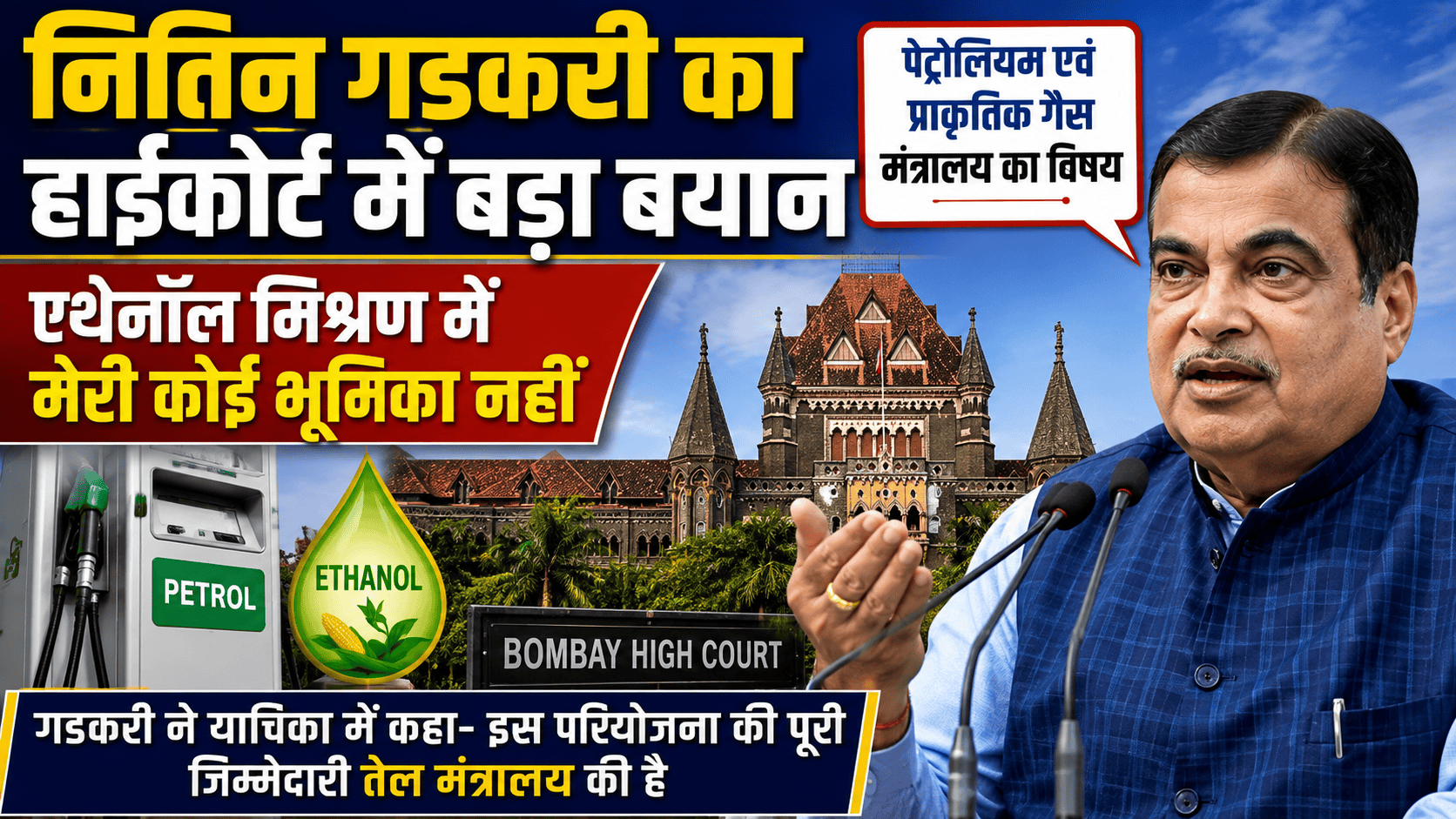
Nitin Gadkari Stated in a Petition: Union Transport Minister Clarifies No Role in Ethanol Blending with Petrol
According to a petition filed before the court, Nitin Gadkari stated in a petition that the entire responsibility for ethanol blending lies with the Union Ministry of Petroleum and Natural Gas and not with the Ministry of Road Transport and Highways. Union Road Transport and Highways Minister Nitin Gadkari has clarified before the Bombay High Court that he had no role in the policy decision regarding the blending of ethanol with petrol.
The clarification has attracted significant attention because ethanol blending has been one of the key initiatives undertaken by the Central Government to reduce dependence on imported crude oil, promote cleaner fuels, and support the agricultural sector. However, Nitin Gadkari stated in a petition that he neither formulated nor implemented the ethanol blending policy and therefore should not be held responsible for decisions related to the project.
Nitin Gadkari Clarifies His Position
In the submission before the Bombay High Court, Nitin Gadkari stated in a petition that all matters concerning ethanol blending with petrol are exclusively handled by the Union Ministry of Petroleum and Natural Gas. He emphasized that his ministry is not involved in policy decisions, implementation, or regulation of ethanol blending.
The clarification aims to establish the jurisdiction of different ministries within the Central Government and distinguish the responsibilities assigned to each department.
What Is the Case About?
The matter reached the Bombay High Court through a petition in which questions were raised regarding the ethanol blending program. Responding to the legal proceedings, Nitin Gadkari stated in a petition that he has no administrative authority over the project and therefore cannot be held accountable for decisions taken by another ministry.
The court is expected to examine the submissions made by all concerned parties before deciding on the legal issues involved in the case.
Ethanol Blending Program Explained
India’s ethanol blending program seeks to mix ethanol with petrol to reduce fossil fuel consumption, lower carbon emissions, and strengthen energy security. While Nitin Gadkari stated in a petition that his ministry has no role in the initiative, the program itself continues to remain an important component of the country’s energy strategy.
The ethanol blending policy is primarily managed by the Ministry of Petroleum and Natural Gas in coordination with oil marketing companies and ethanol producers.
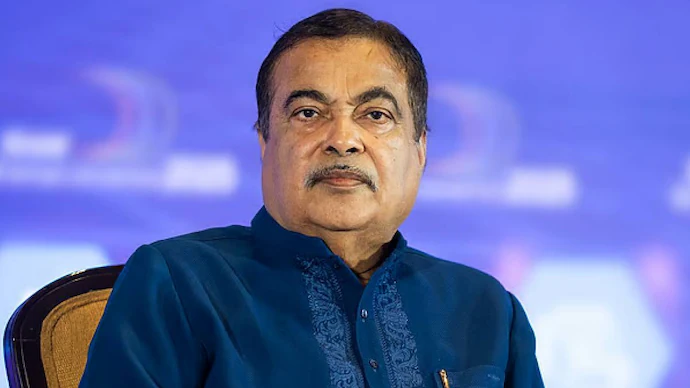

Ministry of Petroleum and Natural Gas Responsible
According to the court filing, Nitin Gadkari stated in a petition that every aspect of ethanol blending—including policy formulation, implementation, procurement, and regulation—falls under the jurisdiction of the Union Ministry of Petroleum and Natural Gas.
The submission makes it clear that administrative responsibility rests entirely with the concerned ministry and not with the Ministry of Road Transport and Highways.
Why the Clarification Matters
The clarification is significant because public policies often involve multiple ministries working toward broader national goals. However, Nitin Gadkari stated in a petition that administrative responsibility should be assigned only to the ministry officially handling the subject.
Legal experts believe that such clarifications help courts determine whether the appropriate government department has been made a party to litigation.
Ethanol Blending and India’s Energy Goals
India has been steadily increasing ethanol blending percentages to reduce dependence on imported crude oil. Although Nitin Gadkari stated in a petition that he played no role in the project, the initiative remains central to the government’s clean energy and sustainability objectives.
Supporters of ethanol blending argue that the policy benefits farmers by creating additional demand for agricultural produce while reducing greenhouse gas emissions.
Legal Perspective
The Bombay High Court will consider the submissions made by all respondents before reaching any conclusion. In his response, Nitin Gadkari stated in a petition that legal responsibility should be determined based on the actual functions assigned to each ministry.
Courts frequently examine whether government officials have statutory authority over a particular subject before deciding questions of accountability.
Administrative Division of Responsibilities
The Central Government functions through various ministries, each responsible for specific policy areas. As Nitin Gadkari stated in a petition, the Ministry of Road Transport and Highways focuses primarily on highways, road safety, infrastructure development, and transport policy.
On the other hand, petroleum-related policies, including ethanol blending with petrol, fall under the Ministry of Petroleum and Natural Gas.
Public Interest in the Case
The matter has generated considerable public interest because ethanol blending has become an important national policy. Since Nitin Gadkari stated in a petition that he has no role in the initiative, many observers are closely following the court proceedings to understand how administrative responsibility will be interpreted.
The outcome could provide greater clarity regarding the functioning of government departments in similar policy matters.
Government’s Clean Fuel Vision
India has adopted multiple initiatives aimed at promoting cleaner and alternative fuels. While Nitin Gadkari stated in a petition that his ministry is not responsible for ethanol blending, he has consistently supported sustainable transport solutions, including electric vehicles, biofuels, green hydrogen, and cleaner mobility technologies through his own ministry’s initiatives.
These efforts complement broader national objectives for reducing emissions and improving energy efficiency.
Importance of Judicial Clarification
Legal proceedings often help define institutional responsibilities. As Nitin Gadkari stated in a petition, assigning accountability to the correct authority is essential for fair judicial consideration.
Experts believe such clarifications also improve administrative transparency by ensuring that policies are evaluated through the departments legally responsible for them.


Political and Policy Implications
The clarification made after Nitin Gadkari stated in a petition may also influence public understanding of how government ministries operate. It underlines the importance of distinguishing between collective government objectives and the individual responsibilities assigned to specific ministries.
Regardless of the legal outcome, the case highlights the need for clear administrative boundaries in policymaking.
Conclusion
The statement submitted before the Bombay High Court has brought attention to the distribution of responsibilities within the Union Government. Nitin Gadkari stated in a petition that he had no role in the blending of ethanol with petrol and that the project is handled entirely by the Union Ministry of Petroleum and Natural Gas. His clarification seeks to ensure that responsibility for policy decisions is attributed to the appropriate ministry.
As the Bombay High Court continues hearing the matter, the case is expected to provide greater clarity regarding administrative accountability in government policymaking. Meanwhile, India’s ethanol blending program remains an important element of the country’s long-term energy and environmental strategy, even as questions regarding departmental jurisdiction are examined through the legal process.
Read more latest news

