
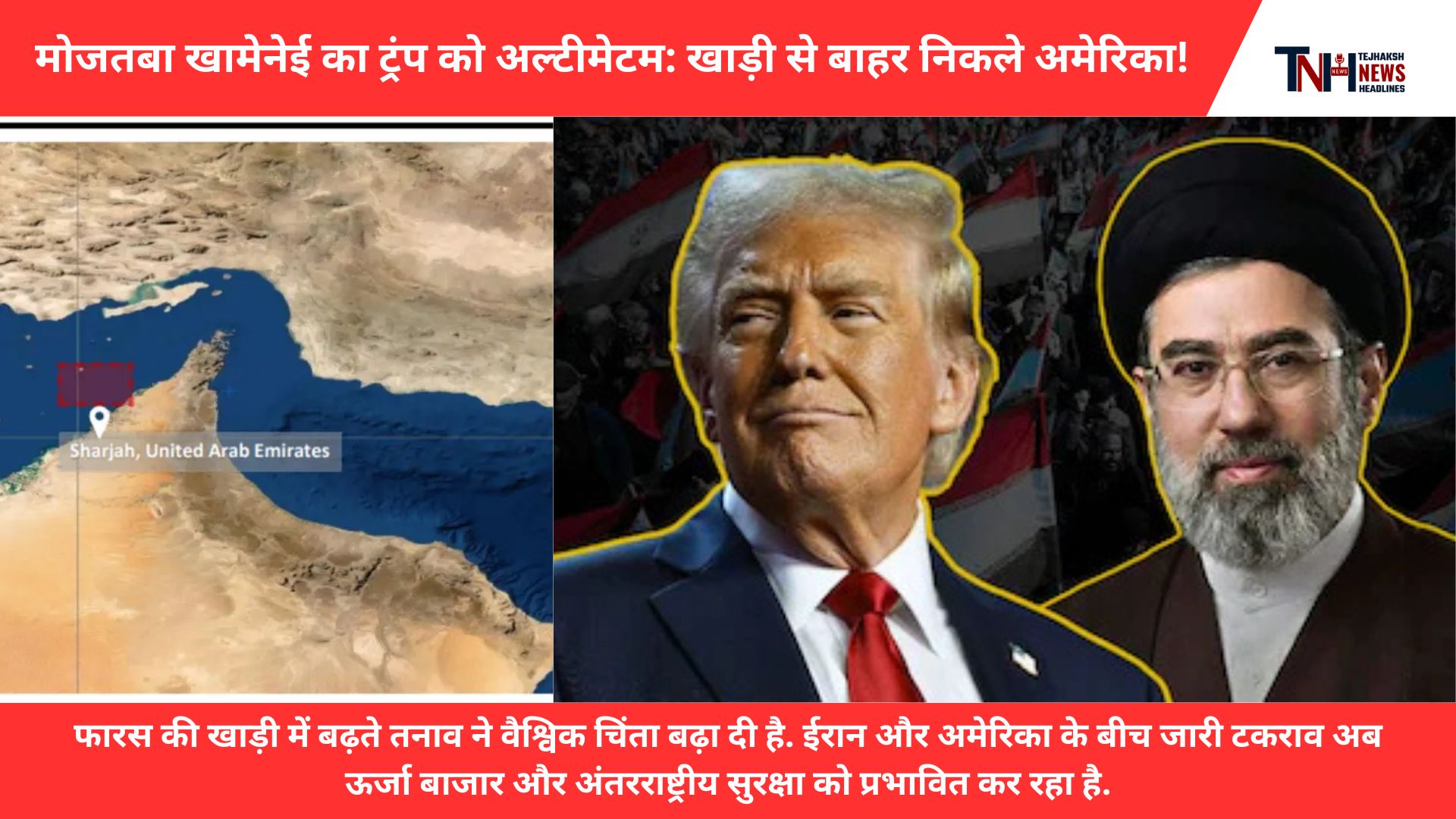
Escalating Tensions in the Persian Gulf and the Global Energy Shock
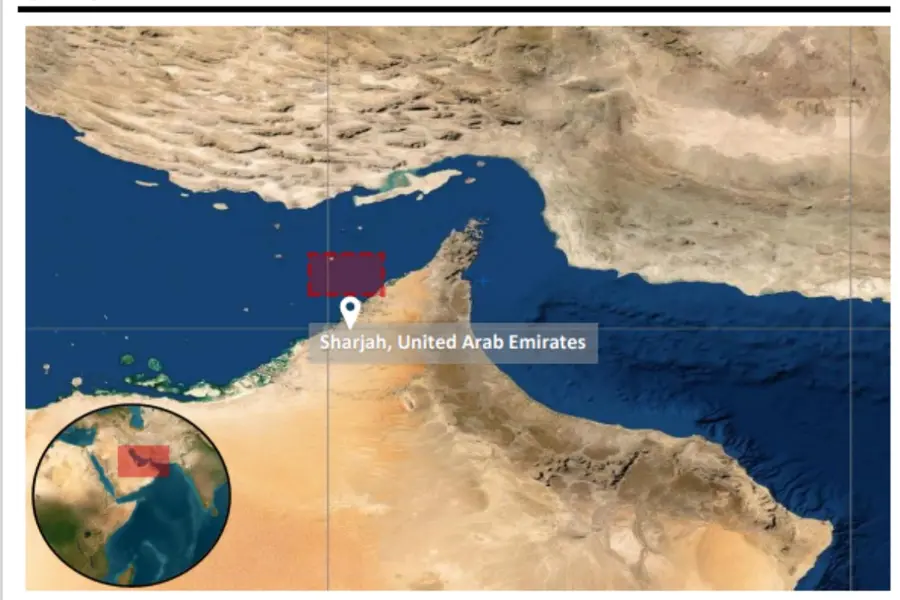
The global geopolitical landscape has entered a highly volatile phase as Escalating tensions in the Persian Gulf continue to reshape energy markets, international diplomacy, and maritime security. The ongoing confrontation between Iran and the United States has intensified fears of a prolonged disruption to global oil supply chains. At the center of this crisis is the Strait of Hormuz, one of the world’s most critical maritime chokepoints, through which nearly one-fifth of global oil flows.
Recent developments show that Escalating tensions in the Persian Gulf are no longer limited to diplomatic rhetoric—they are directly impacting shipping routes, oil exports, and global inflation. The closure or restriction of the Strait has already led to sharp volatility in crude oil prices, pushing them to multi-year highs. Analysts warn that even partial disruption of this route can trigger immediate supply shocks across Asia, Europe, and the United States.
The Strategic Importance of the Persian Gulf
The Persian Gulf region has always been central to global energy security. Countries like Saudi Arabia, Iraq, Kuwait, Qatar, and the UAE rely heavily on the Strait of Hormuz for exporting crude oil and liquefied natural gas. As a result, Escalating tensions in the Persian Gulf create ripple effects far beyond the region.
According to energy data, around 20 million barrels of oil per day pass through this narrow passage under normal conditions. When this flow is disrupted, global markets immediately react due to supply uncertainty. The current crisis has significantly reduced tanker movement, forcing traders to factor in geopolitical risk premiums into oil pricing.
Iran US Confrontation and Maritime Disruption
At the heart of the issue is the intensifying confrontation between Iran and the United States. Military build-ups, sanctions, and retaliatory measures have pushed the region into a dangerous standoff. Reports indicate that Iranian forces have increased pressure on shipping routes, while the United States has responded with naval deployments to secure maritime traffic.

These developments reflect how Escalating tensions in the Persian Gulf have evolved into a broader geopolitical conflict. The Strait of Hormuz has become a bargaining chip in high-stakes negotiations, with Iran using its geographic position to assert strategic leverage.
Recent reports suggest that maritime traffic has significantly declined due to security concerns, insurance cost spikes, and fear of potential attacks on commercial tankers. (USNI News)
Closure of the Strait of Hormuz and Oil Market Shock
One of the most critical turning points in this crisis is the effective closure or restriction of the Strait of Hormuz. This development has had immediate consequences on global energy markets.
As Escalating tensions in the Persian Gulf continue, oil prices have surged sharply, with Brent crude reaching wartime-level highs in recent trading sessions. The disruption has created panic in commodity markets, as traders fear a prolonged supply shortage.
Economic experts estimate that even a partial blockade can reduce global supply by several million barrels per day, creating a severe imbalance between demand and supply. This imbalance is the primary reason behind the sharp rise in fuel prices across importing nations.
Global Economic Impact
The consequences of Escalating tensions in the Persian Gulf extend far beyond the energy sector. Rising oil prices directly affect transportation costs, manufacturing, agriculture, and consumer inflation worldwide.
Countries heavily dependent on imported oil, such as India, China, Japan, and South Korea, are especially vulnerable. Higher crude prices translate into increased costs for gasoline, diesel, aviation fuel, and electricity generation.
In the United States and Europe, inflationary pressure has also increased, with transportation and industrial production costs rising significantly. Even countries with domestic oil production are not immune, as global pricing benchmarks affect local markets.
Financial Markets and Investor Reaction
Financial markets have responded sharply to Escalating tensions in the Persian Gulf. Stock markets have experienced volatility, while energy stocks have surged due to higher oil prices. At the same time, airlines, logistics companies, and manufacturing sectors have faced downward pressure.
Insurance premiums for oil tankers passing through the region have also increased significantly. Shipping companies are either rerouting vessels or pausing operations altogether, further tightening supply chains.

Geopolitical Risks and Military Escalation
The possibility of direct military escalation remains one of the most serious concerns. With naval forces from multiple countries operating in close proximity, even a minor incident could trigger a larger conflict.
The strategic importance of the Strait of Hormuz means that Escalating tensions in the Persian Gulf could quickly escalate into a global crisis. Any prolonged military engagement would not only affect oil supply but also global trade routes and maritime security infrastructure.
Impact on Asia and Emerging Economies
Asia is the most exposed region to disruptions caused by Escalating tensions in the Persian Gulf, as it imports a significant portion of its oil from the Middle East. Countries like India and China could face rising import bills, currency pressure, and inflation spikes.
Energy-dependent industries such as transportation, aviation, and logistics would be the first to feel the impact. Governments may be forced to release strategic petroleum reserves or subsidize fuel prices to stabilize domestic markets.
Diplomatic Efforts and International Response
Despite rising tensions, diplomatic channels remain active. International organizations and neutral countries are attempting to mediate between Iran and the United States to prevent further escalation. However, progress remains slow due to deep political disagreements.
The persistence of Escalating tensions in the Persian Gulf highlights the fragility of global energy security and the urgent need for stable diplomatic engagement in the region.
Energy Transition and Long-Term Lessons
This crisis has also renewed global discussions about energy diversification. Many countries are accelerating investments in renewable energy, electric vehicles, hydrogen fuel, and alternative energy sources to reduce dependency on Middle Eastern oil.
In the long term, Escalating tensions in the Persian Gulf may act as a catalyst for structural change in global energy systems. However, in the short term, oil remains indispensable, and geopolitical instability continues to drive market uncertainty.


Conclusion
The current crisis in the Persian Gulf demonstrates how deeply interconnected global energy markets are with geopolitical stability. Escalating tensions in the Persian Gulf have already disrupted oil flows, increased global prices, and heightened fears of a broader economic slowdown.
As long as the Strait of Hormuz remains a flashpoint between Iran and the United States, global markets will remain vulnerable to sudden shocks. The world now faces a critical challenge: balancing geopolitical rivalry with the need for stable and secure energy supplies.
Until a lasting diplomatic resolution is achieved, Escalating tensions in the Persian Gulf will continue to shape the future of global energy security, international trade, and economic stability.
Read more latest news

