
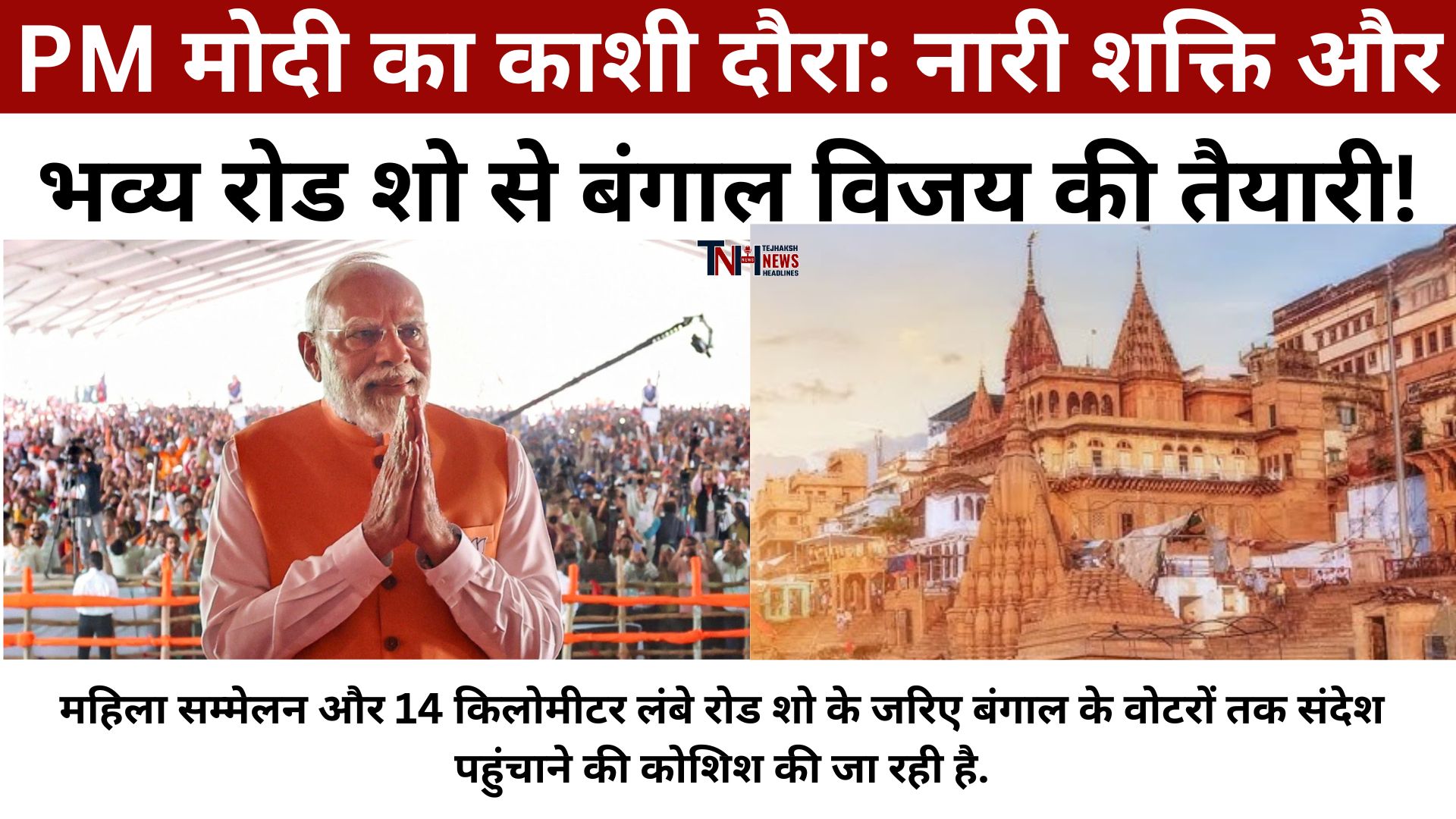
PM Modi’s Kashi Visit: Women Power, A Grand Roadshow, and the Road to Bengal
Introduction
The political landscape in India is often shaped by symbolism, strategy, and strong messaging. When Narendra Modi visits Varanasi—his parliamentary constituency—the event is rarely just local. It carries national significance, political undertones, and electoral intent.
The recent Modi Kashi Visit for Women Power has sparked widespread discussion. With a massive women’s conference and a 14-kilometer-long roadshow, the visit is being interpreted as a strategic move aimed not only at strengthening support in Uttar Pradesh but also sending a strong political signal to West Bengal.
This blog explores the deeper meaning, political strategy, and potential impact of this high-profile visit.
Kashi: More Than Just a Constituency
Varanasi, also known as Kashi, is one of the oldest living cities in the world and holds immense spiritual and cultural significance. For Narendra Modi, however, it is also a political stronghold and a symbol of his connection with grassroots India.
Every Modi Kashi Visit for Women Power is carefully crafted to blend governance, culture, and political messaging. The city becomes a stage where development narratives meet electoral strategy.
Women Power at the Center Stage
One of the key highlights of this visit was the women’s conference. Women from different sections of society—self-help groups, entrepreneurs, farmers, and professionals—participated in large numbers.
The emphasis on women empowerment is not new. Over the years, the government has launched several initiatives aimed at improving the socio-economic status of women. Programs like Beti Bachao Beti Padhao and Ujjwala Yojana have been central to this narrative.
The Modi Kashi Visit for Women Power reinforced this focus, projecting women as key stakeholders in India’s growth story.
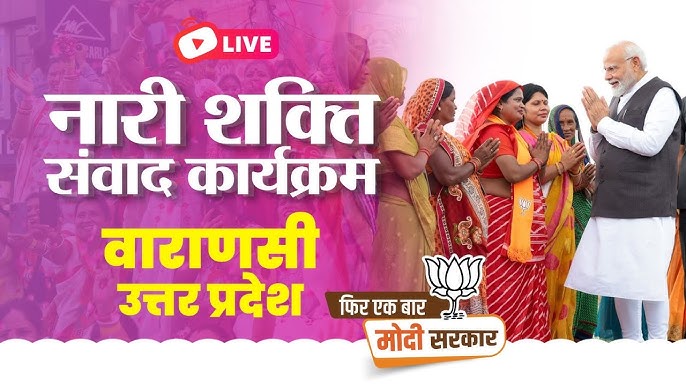
The Grand 14 Kilometer Roadshow
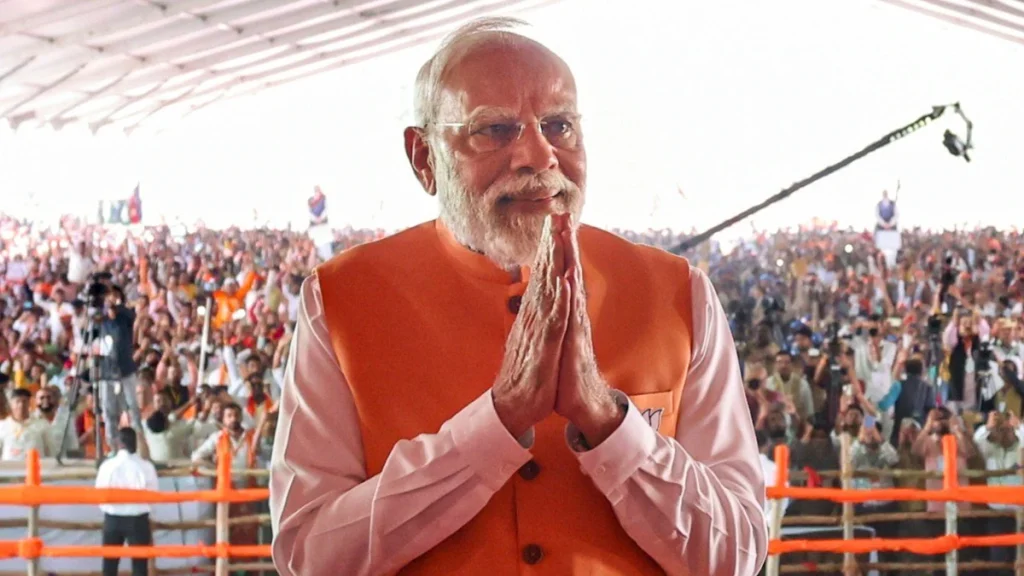
Another defining feature of the visit was the grand roadshow that stretched across 14 kilometers. Crowds lined the streets, waving flags and cheering as the Prime Minister’s convoy passed through.
Such roadshows are more than just public appearances—they are visual spectacles designed to showcase mass support. The scale and energy of the event amplified the impact of the Modi Kashi Visit for Women Power.
The roadshow also served as a powerful communication tool, reaching not just those present but millions watching through television and social media.
A Message Beyond Uttar Pradesh
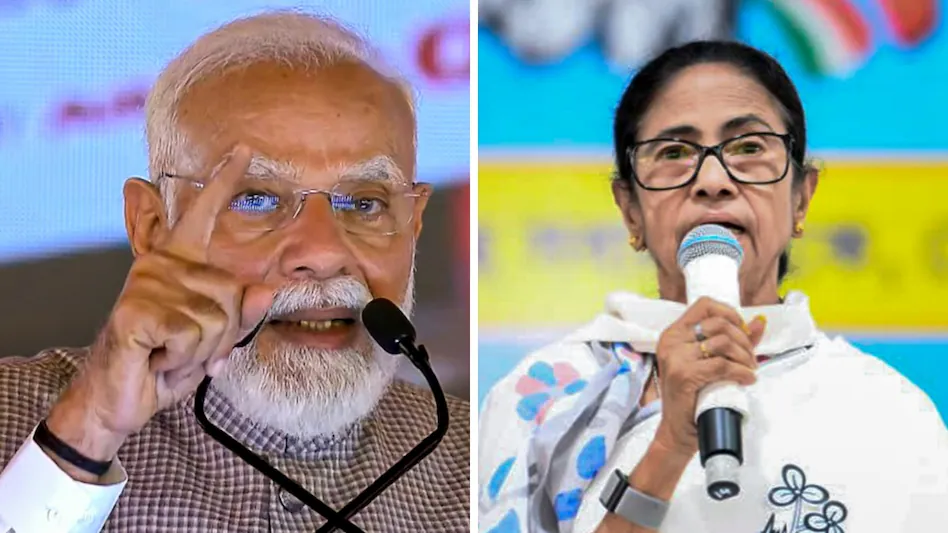
While the event took place in Varanasi, its political implications extend far beyond Uttar Pradesh. Analysts believe that the Modi Kashi Visit for Women Power is part of a broader strategy aimed at influencing voters in West Bengal.
West Bengal has been a key battleground in recent elections, with intense competition between the BJP and the ruling All India Trinamool Congress led by Mamata Banerjee.
By showcasing strong support and emphasizing women empowerment, the visit sends a message to Bengal voters about leadership, development, and inclusivity.
Women Voters: A निर्णायक Factor
Women voters have emerged as a निर्णायक (decisive) force in Indian elections. Their participation has increased significantly, and their voting patterns often influence outcomes.
The Modi Kashi Visit for Women Power appears to be a targeted effort to connect with this demographic. By highlighting schemes that directly benefit women, the leadership aims to strengthen its appeal among female voters.
This strategy is particularly relevant for West Bengal, where women voters play a crucial role.
Cultural Symbolism and Political Messaging
Kashi is not just a city—it is a symbol of India’s spiritual heritage. Events held here carry cultural weight, which adds depth to political messaging.
The Modi Kashi Visit for Women Power leveraged this symbolism effectively. By combining cultural elements with political outreach, the visit created a narrative that resonates across regions.
This blend of tradition and modernity is a hallmark of Modi’s political style.
Development Narrative
Another key aspect of the visit was the emphasis on development. Infrastructure projects, urban renewal initiatives, and welfare schemes were highlighted as part of the government’s achievements.
The transformation of Varanasi over the years has been presented as a model of development. Projects like the Kashi Vishwanath Corridor are often cited as examples.
The Modi Kashi Visit for Women Power reinforced this narrative, showcasing progress and future plans.
Media and Public Perception
The visit received extensive media coverage, both nationally and regionally. Visuals of the roadshow, the women’s conference, and the enthusiastic crowds dominated headlines.
For supporters, the Modi Kashi Visit for Women Power demonstrated strong public backing and effective leadership. Critics, however, viewed it as a calculated political move aimed at upcoming elections.
Public perception plays a crucial role in shaping political outcomes, and events like this significantly influence that perception.
Strategic Timing
Timing is everything in politics. The Modi Kashi Visit for Women Power comes at a moment when political activities are intensifying across states.
By organizing such a large-scale event, the leadership sets the tone for future campaigns. It signals readiness, confidence, and momentum.
For West Bengal, this timing could be particularly significant.
Opposition’s Response
Opposition parties have responded with criticism, questioning the intent and scale of the event. They argue that such visits are more about optics than governance.
However, the impact of the Modi Kashi Visit for Women Power cannot be dismissed easily. Even criticism contributes to visibility, keeping the event in public discourse.
The Role of Communication
Modern politics relies heavily on communication strategies. Social media, live broadcasts, and digital campaigns amplify the reach of events.
The Modi Kashi Visit for Women Power was designed to maximize visibility. Every moment—from speeches to interactions—was crafted for impact.
This approach ensures that the message reaches audiences far beyond the physical location.
Grassroots Connection
One of the strengths of such visits is the ability to connect with people at the grassroots level. Interactions with women’s groups, local leaders, and citizens create a sense of engagement.
The Modi Kashi Visit for Women Power emphasized this connection, portraying leadership that is accessible and responsive.
Implications for Bengal Politics
The central question remains: how will this visit impact West Bengal?
The Modi Kashi Visit for Women Power sends a clear message of confidence and outreach. By focusing on women empowerment and showcasing mass support, it aims to influence voter sentiment.
While the actual impact will depend on multiple factors, the strategic intent is evident.
A Broader Political Narrative
This visit is part of a larger political narrative that emphasizes development, empowerment, and strong leadership.
The Modi Kashi Visit for Women Power fits seamlessly into this narrative, reinforcing key themes and messages.
Challenges Ahead
Despite the grand scale of the event, challenges remain:
- Strong regional opposition in West Bengal
- Complex socio-political dynamics
- Voter expectations and concerns
The success of the Modi Kashi Visit for Women Power will ultimately depend on how these challenges are addressed.
Conclusion
The recent visit of Prime Minister Narendra Modi to Varanasi was much more than a routine political event. It was a carefully planned strategy that combined symbolism, outreach, and messaging.
The Modi Kashi Visit for Women Power highlighted the importance of women voters, showcased development achievements, and sent a strong signal to West Bengal.
As India moves closer to future electoral battles, such events will continue to shape narratives and influence outcomes.
Final Thoughts
Politics in India is as much about perception as it is about policy. The Modi Kashi Visit for Women Power demonstrates how leadership uses events to communicate vision, build connections, and prepare for electoral challenges.
Whether this strategy translates into electoral success in West Bengal remains to be seen. But one thing is certain—the message has been delivered, loud and clear.
Read more latest news

