
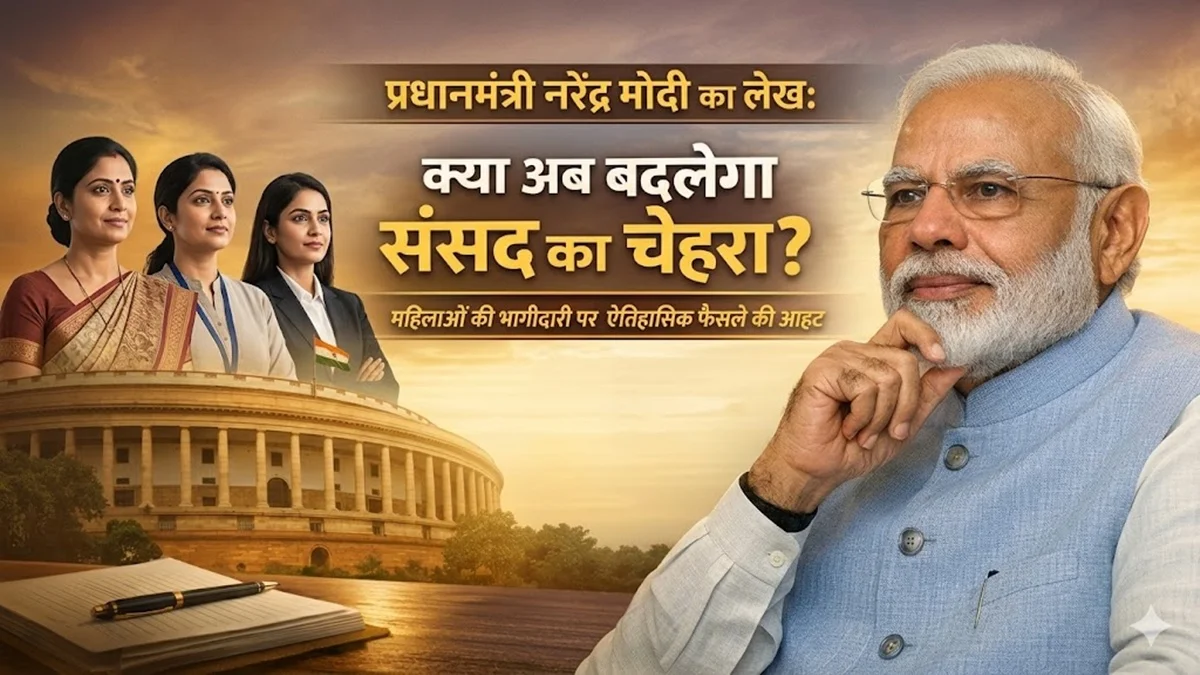
Democracy Will Be Strengthened with Women’s Participation: Why the Women’s Reservation Bill Matters
In a landmark step toward inclusive governance and gender equality, Narendra Modi emphasized that Democracy will be strengthened when women are given equal representation in decision-making bodies. The Women’s Reservation Bill, long debated in India’s political corridors, has once again come into focus as a transformative reform aimed at reshaping the democratic structure of the nation.
The Prime Minister’s assertion that Democracy will be strengthened through women’s participation is not merely a political statement—it is a vision rooted in the principles of equality, justice, and progress. With India being the world’s largest democracy, ensuring equal opportunities for women in governance is not just desirable but essential.
Understanding the Women Reservation Bill
The Women’s Reservation Bill seeks to reserve 33% of seats in the Lok Sabha and State Legislative Assemblies for women. This move is expected to significantly increase women’s representation in Indian politics, where their presence has historically been limited.
For decades, women have played crucial roles in shaping society, yet their participation in formal political structures has remained disproportionately low. The bill aims to correct this imbalance and create a more inclusive system where Democracy will be strengthened through diverse perspectives.
The idea behind the bill is simple yet powerful: when women participate equally in governance, policies become more representative, inclusive, and effective. This is why the leadership believes that Democracy will be strengthened by institutionalizing women’s representation.
Historical Context of Women in Indian Politics
India has a rich history of women leaders who have made significant contributions to the nation. Figures like Indira Gandhi have demonstrated that women are capable of leading at the highest levels. However, such examples are exceptions rather than the norm.
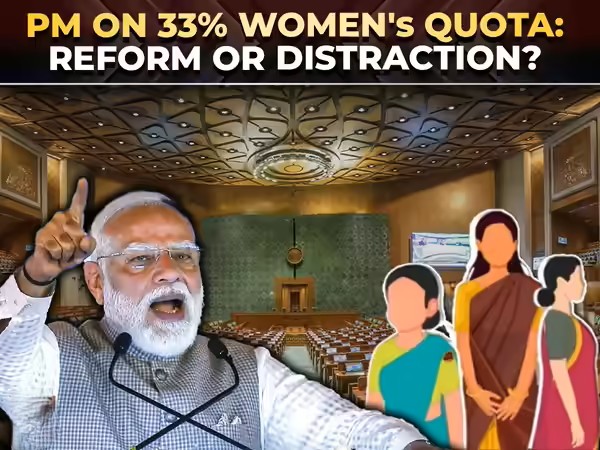
Despite progress in education and employment, women’s representation in legislative bodies has remained limited. This gap highlights the need for systemic reforms, reinforcing the idea that Democracy will be strengthened only when women are given equal opportunities to lead.
Globally, countries that have implemented similar reservation policies have witnessed positive outcomes. Increased participation of women has led to better governance, improved social indicators, and more inclusive policymaking. These examples further support the belief that Democracy will be strengthened in India as well.
Why Women Participation Matters
Women bring unique perspectives and experiences that enrich the decision-making process. Their involvement leads to policies that are more inclusive and sensitive to societal needs.
When women are part of governance, issues such as healthcare, education, and social welfare receive greater attention. This holistic approach ensures that development is balanced and equitable. It is in this context that Democracy will be strengthened through their active participation.
Moreover, women leaders often prioritize collaboration and consensus-building, which are essential for effective governance. Their presence can help reduce conflicts and promote harmony, ensuring that Democracy will be strengthened at every level.
PM Modi Vision for Inclusive Governance
Narendra Modi has consistently emphasized the importance of women’s empowerment. From initiatives like Beti Bachao Beti Padhao to promoting women entrepreneurs, his government has taken several steps to uplift women.
The Women’s Reservation Bill is a natural extension of this vision. By ensuring representation, the government aims to create a system where Democracy will be strengthened through equal participation.
In his speeches, the Prime Minister has highlighted that empowering women is not just about fairness but also about efficiency. A diverse leadership leads to better decision-making, which ultimately benefits the entire nation. This reinforces the idea that Democracy will be strengthened when all voices are heard.
Breaking Barriers and Challenging Norms
One of the biggest challenges women face in politics is societal barriers. Traditional norms and stereotypes often discourage women from entering public life.
The Women’s Reservation Bill aims to break these barriers by providing a structured pathway for women to participate in governance. This institutional support is crucial for ensuring that Democracy will be strengthened by removing systemic obstacles.
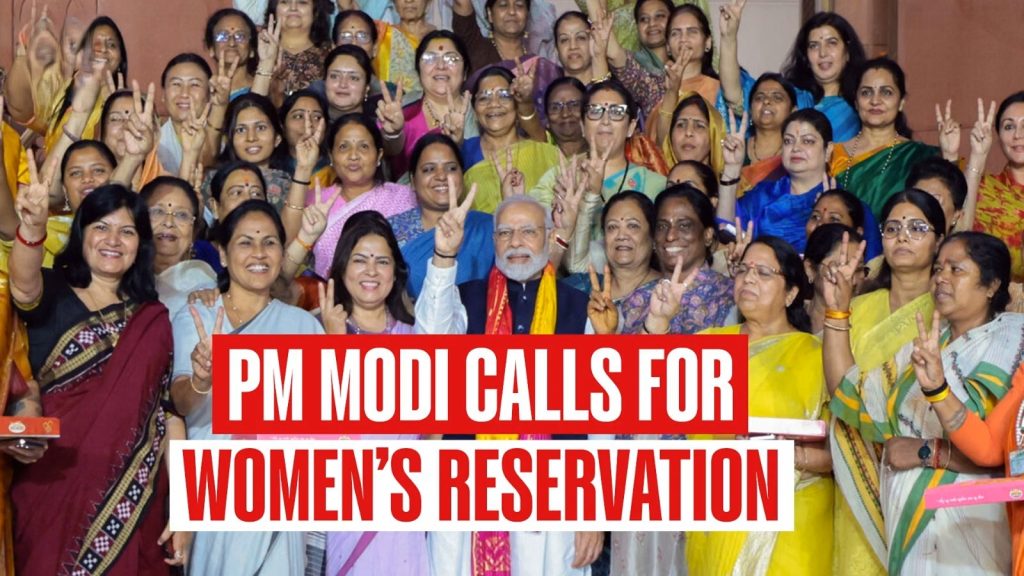
By normalizing women’s presence in politics, the bill can also inspire future generations. Young girls will see role models in leadership positions, motivating them to pursue careers in public service. This long-term impact ensures that Democracy will be strengthened for years to come.
Economic and Social Impact
Women’s participation in governance has far-reaching economic and social benefits. Studies have shown that when women are involved in decision-making, there is better allocation of resources and improved outcomes in key sectors.
For instance, policies related to education and healthcare tend to receive more attention when women are in leadership roles. This leads to improved human development indicators, ensuring that Democracy will be strengthened not just politically but also socially.
Additionally, women leaders often advocate for inclusive growth, ensuring that marginalized communities are not left behind. This inclusive approach further supports the notion that Democracy will be strengthened through equitable development.
Addressing Criticism and Concerns
Like any major reform, the Women’s Reservation Bill has faced criticism. Some argue that reservations may compromise merit or lead to tokenism.
However, these concerns overlook the structural inequalities that have historically limited women’s participation. The bill is not about giving undue advantage but about leveling the playing field.
By creating opportunities for women, the system becomes more competitive and dynamic. This ensures that Democracy will be strengthened through genuine representation rather than exclusion.
The Role of Society
While legislative reforms are important, societal support is equally crucial. Families, educational institutions, and communities must encourage women to participate in politics.
Changing mindsets is essential for the success of the Women’s Reservation Bill. When society embraces gender equality, it creates an environment where Democracy will be strengthened naturally.
Media and civil society organizations also have a role to play in promoting awareness and highlighting the importance of women’s participation. Their efforts can help build momentum for change, ensuring that Democracy will be strengthened across all levels.
Learning from Global Examples
Countries like Rwanda and Norway have successfully implemented policies to increase women’s representation. These nations have witnessed significant improvements in governance and social development.
India can draw valuable lessons from these examples. By adopting best practices and tailoring them to its unique context, the country can ensure that Democracy will be strengthened effectively.
The global trend clearly indicates that inclusive governance leads to better outcomes. This reinforces the belief that Democracy will be strengthened in India through the Women’s Reservation Bill.
The Road Ahead
The passage and implementation of the Women’s Reservation Bill mark the beginning of a new chapter in India’s democratic journey. However, the real challenge lies in its execution.
Ensuring fair representation, providing training and support to women leaders, and addressing implementation challenges are crucial steps. These efforts will determine how effectively Democracy will be strengthened in the coming years.
Continuous evaluation and adaptation will be necessary to maximize the impact of the bill. By addressing challenges proactively, the system can ensure that Democracy will be strengthened sustainably.
Conclusion
The Women’s Reservation Bill is more than just a legislative reform—it is a step toward building a more inclusive and equitable society. By ensuring women’s participation in governance, India is taking a significant step toward strengthening its democratic framework.
As Narendra Modi rightly pointed out, Democracy will be strengthened when women are given equal opportunities to lead and contribute. This vision aligns with the fundamental principles of democracy and reflects India’s commitment to progress.
In the years to come, the success of this initiative will depend on collective efforts from the government, society, and individuals. If implemented effectively, the Women’s Reservation Bill has the potential to transform Indian democracy, ensuring that Democracy will be strengthened not just in theory but in practice.
Ultimately, empowering women is not just about gender equality—it is about building a stronger, more resilient nation. And as India moves forward on this path, one thing remains clear: Democracy will be strengthened when every voice is heard and every citizen is given an equal opportunity to shape the future.
Read more latest news

