
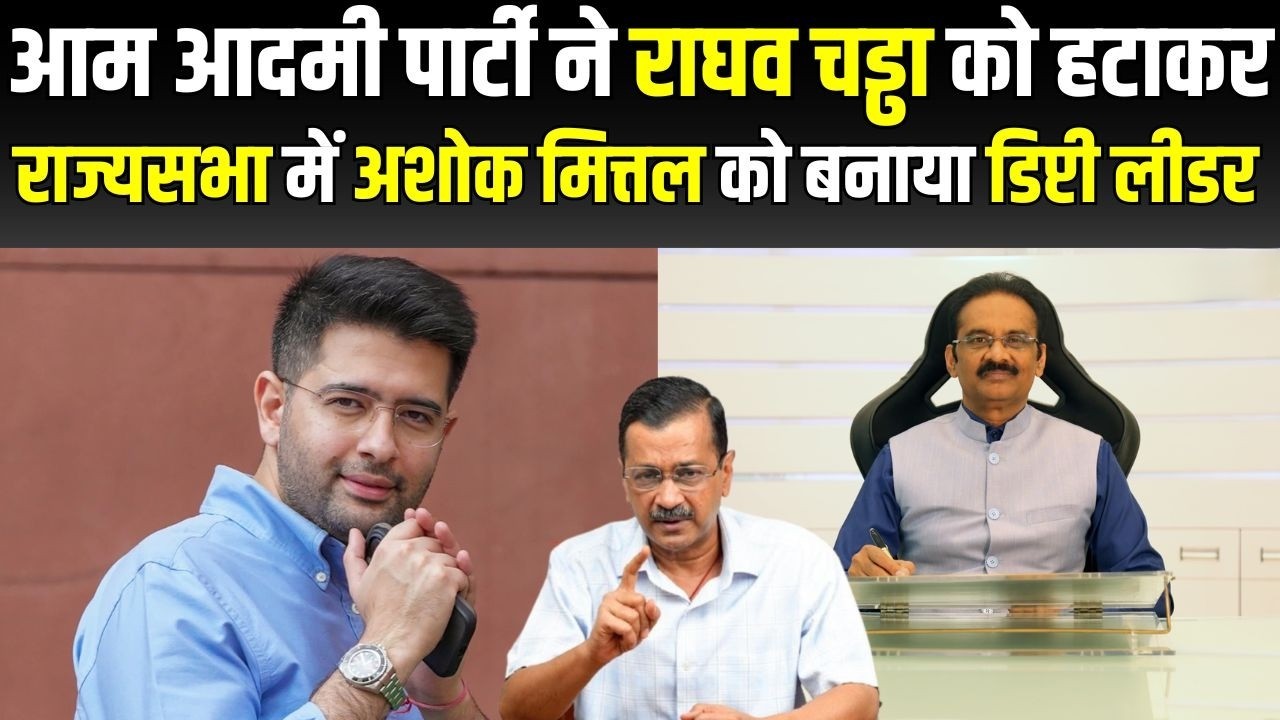
Major Shift in Aam Aadmi Party Leadership: A Political Analysis of the Appointment Decision.
Introduction
Indian politics is no stranger to sudden changes, dramatic decisions, and internal restructuring within parties. Recently, a significant development within the Aam Aadmi Party (AAP) has captured widespread attention. The party removed Raghav Chadha from the position of deputy leader and appointed Ashok Kumar Mittal in his place. This move has not only surprised political observers but also ignited debates across party lines, media platforms, and public forums.
The decision to install Ashok Kumar Mittal as deputy leader marks a pivotal moment in AAP’s evolving leadership structure. It reflects strategic recalibration, internal dynamics, and future political ambitions. As discussions intensify, it becomes essential to examine the context, implications, and potential outcomes of this leadership shift.
Background of the Leadership Change
The Aam Aadmi Party, founded on the principles of transparency and anti-corruption, has consistently projected itself as a party of change. Over the years, it has grown from a regional force to a national political contender.
The removal of Raghav Chadha from the deputy leadership role has raised several questions. Chadha, known for his articulate communication and strong presence in parliamentary debates, had become one of the prominent faces of AAP.
However, the appointment of Ashok Kumar Mittal as deputy leader signals a shift in priorities. It suggests that the party leadership is looking to diversify its representation and strengthen its organizational structure.
Who is Ashok Kumar Mittal?
Ashok Kumar Mittal is a respected figure known for his academic and administrative contributions before entering politics. His background as an educationist and his association with institutional leadership have earned him credibility.
The decision to appoint Ashok Kumar Mittal as deputy leader highlights AAP’s attempt to bring experienced and diverse voices into its leadership framework. His appointment is seen as a move to strengthen intellectual and policy-oriented leadership within the party.
Political Reactions to the Decision
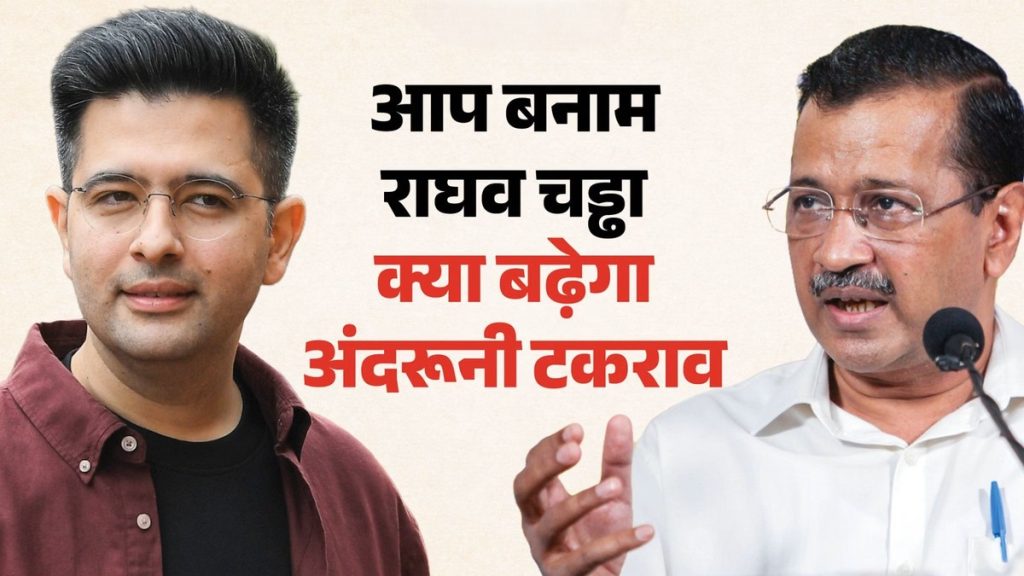
The announcement has triggered mixed reactions across the political spectrum. Supporters of AAP have welcomed the move, viewing it as a strategic decision aimed at strengthening the party’s leadership.
On the other hand, opposition parties have questioned the rationale behind removing a well-known leader like Raghav Chadha. They argue that replacing him with Ashok Kumar Mittal as deputy leader could indicate internal disagreements or strategic repositioning.
Political analysts believe that such changes are often driven by long-term planning rather than immediate concerns.
Internal Dynamics Within AAP
Every political party undergoes internal evolution, and leadership changes are a part of this process. The appointment of Ashok Kumar Mittal as deputy leader may reflect shifting power dynamics within AAP.
It is possible that the party leadership aims to balance representation across regions, professions, and ideological perspectives. By bringing in Mittal, the party may be signaling a broader vision that extends beyond traditional political leadership.
Strategic Importance of the Appointment
The decision to position Ashok Kumar Mittal as deputy leader carries strategic significance. It could help AAP strengthen its presence in new regions and appeal to a wider audience.
Mittal’s background in education and administration may also contribute to policy formulation and governance strategies. His appointment suggests that the party is focusing on expertise and experience alongside political acumen.
Impact on Party Image
Leadership changes often influence public perception. The appointment of Ashok Kumar Mittal as deputy leader has the potential to reshape AAP’s image as a party that values diversity and expertise.
However, the removal of Raghav Chadha also raises concerns among some supporters. Balancing these perceptions will be crucial for the party moving forward.
Media Coverage and Public Debate
The media has extensively covered the development, analyzing its implications from multiple angles. News channels, digital platforms, and social media have been abuzz with discussions.
The phrase Ashok Kumar Mittal as deputy leader has become central to these debates, reflecting the significance of the decision in shaping political narratives.
Public reactions have been varied, with some praising the move and others questioning its timing and intent.
Leadership Transition in Indian Politics
Leadership transitions are a common feature in Indian politics. Parties often make strategic changes to adapt to evolving political landscapes.
The appointment of Ashok Kumar Mittal as deputy leader can be seen in this broader context. It reflects AAP’s efforts to remain dynamic and responsive to changing परिस्थितियाँ.
Challenges Ahead for Ashok Kumar Mittal
While the appointment is significant, it also comes with challenges. As deputy leader, Mittal will need to establish his political identity and connect with party workers and जनता.
The role of Ashok Kumar Mittal as deputy leader will require effective communication, strategic thinking, and the ability to navigate complex political scenarios.
Implications for Raghav Chadha
The removal of Raghav Chadha from the deputy leadership role has also sparked discussions about his future within the party.
Chadha remains an important figure, and his role in AAP’s future strategy will be closely watched. The shift to Ashok Kumar Mittal as deputy leader does not necessarily diminish Chadha’s influence but indicates a reallocation of responsibilities.
Broader Political Impact
The decision may have implications beyond AAP. Other political parties will closely observe how this change affects AAP’s performance and public perception.
The emergence of Ashok Kumar Mittal as deputy leader could influence political strategies, alliances, and चुनावी समीकरण in the coming months.
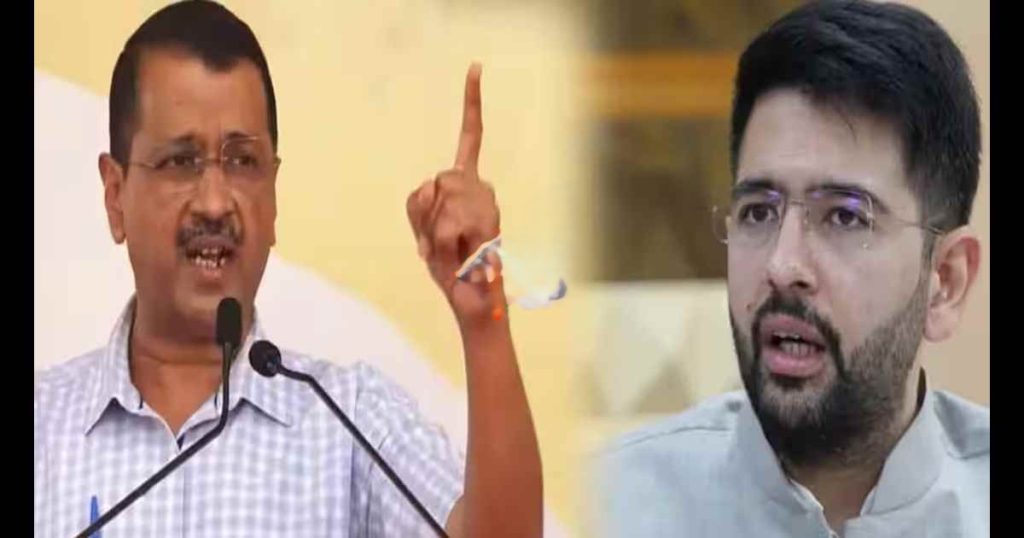
Public Expectations and Accountability
With new leadership comes new expectations. The public will look to Ashok Kumar Mittal as deputy leader to deliver results and contribute to effective governance.
Transparency, accountability, and responsiveness will be key factors in determining the success of this leadership change.
Future Prospects for AAP
The appointment of Ashok Kumar Mittal as deputy leader may play a crucial role in shaping AAP’s future trajectory. It reflects the party’s willingness to adapt and evolve.
As AAP continues to expand its presence, leadership decisions like this will influence its growth and electoral success.
Conclusion
The decision by the Aam Aadmi Party to remove Raghav Chadha and appoint Ashok Kumar Mittal marks a significant moment in its political journey. It underscores the importance of strategic leadership and organizational evolution.
The repeated focus on Ashok Kumar Mittal as deputy leader highlights the central role this appointment will play in shaping the party’s future. Whether this move strengthens AAP or leads to further challenges remains to be seen.
What is certain, however, is that this development has added a new dimension to India’s political discourse, sparking debates, analyses, and expectations across the nation.
Read more latest news

