Goodbye Harish Rana: A Farewell That Brought Peace to One Tears to Millions
In a moment that has deeply moved the nation, Goodbye Harish Rana echoed not just through the streets of South Delhi but across the entire country. The story of Harish Rana is not just about a man who spent 13 long years in a coma—it is about dignity, compassion, law, and the difficult choices that families and societies sometimes must make.
His cremation at Green Park Cremation Ground marked the end of a long and painful journey. But it also reignited a critical debate about passive euthanasia in India.
A Life Frozen in Time
Harish Rana’s story began more than a decade ago when a tragic incident left him in a coma. For 13 years, he remained in a state where life continued biologically, but consciousness never returned.
During this time:
- He depended entirely on life support
- His family stood by him relentlessly
- Hope flickered but never fully faded
Yet, as the years passed, the harsh reality became undeniable. The question shifted from recovery to dignity. And today, as the nation says Goodbye Harish Rana, it reflects on what it truly means to live.
The Supreme Court Historic Decision
The turning point came when the Supreme Court of India granted permission for passive euthanasia in Harish Rana’s case.
This decision was not taken lightly. It involved:
- Medical evaluations
- Legal scrutiny
- Emotional appeals from family
The court’s approval meant that life-support systems could be withdrawn, allowing nature to take its course. For the family, it was both a moment of relief and heartbreak.
As the country mourns, the words Goodbye Harish Rana also symbolize a legal milestone in India’s evolving stance on end-of-life care.
What is Passive Euthanasia?
Passive euthanasia involves withdrawing or withholding medical treatment that prolongs life. It differs from active euthanasia, where deliberate action is taken to end life.
In India:
- Passive euthanasia is legally permitted under strict conditions
- It requires court approval and medical board validation
Harish Rana’s case has once again brought this sensitive issue into the spotlight. As people say Goodbye Harish Rana, they are also questioning how society balances compassion with ethics.

AIIMS Where His Final Journey Ended
Harish Rana breathed his last at All India Institute of Medical Sciences, one of the country’s premier medical institutions.
For years, AIIMS doctors:
- Monitored his condition
- Provided life-sustaining care
- Worked alongside the family
Despite the best medical efforts, recovery remained out of reach. His passing at AIIMS marks the end of a long chapter in medical care and human endurance.
The phrase Goodbye Harish Rana resonates even more deeply knowing the tireless efforts that went into keeping him alive.
An Emotional Farewell at Green Park
The cremation at Green Park in South Delhi was attended by family, friends, and well-wishers. The atmosphere was heavy with emotion.
Eyewitnesses described:
- Silent prayers
- Tearful goodbyes
- A sense of closure mixed with grief
As the flames rose, so did the collective sorrow of those present. The final farewell truly embodied the words Goodbye Harish Rana, a goodbye that was both painful and necessary.
The Family’s Silent Strength
Behind every long medical case is a family that endures unimaginable hardship. Harish Rana’s family stood by him for 13 years, never giving up.
Their journey included:
- Emotional strain
- Financial challenges
- Endless hope and eventual acceptance
Their decision to seek passive euthanasia was not one of surrender but of compassion. Saying Goodbye Harish Rana was perhaps the hardest choice they ever made.

A Nation Reflects
The story has sparked conversations across India. People are debating:
- The ethics of euthanasia
- The rights of patients
- The responsibilities of families and doctors
For many, Goodbye Harish Rana is more than a headline—it is a moment of reflection on life, suffering, and dignity.
Legal and Ethical Questions
Harish Rana’s case raises several important questions:
Should patients have the right to die with dignity?
How long should life support be continued?
Who gets to decide in such situations?
The Supreme Court’s decision provides a framework, but each case remains deeply personal.
As the nation says Goodbye Harish Rana, these questions will continue to shape future debates.
Medical Perspective
Doctors often face ethical dilemmas in such cases. While their duty is to save lives, they must also consider:
- Quality of life
- Chances of recovery
- Patient dignity
In prolonged coma cases, the line between treatment and prolonging suffering becomes blurred. This is why cases like Harish Rana’s are so complex.
The phrase Goodbye Harish Rana reflects not just loss but the difficult balance between medicine and humanity.
Public Reaction and Media Coverage
Social media platforms were flooded with messages of condolence. Many users expressed sympathy for the family, while others debated the ethics of euthanasia.
Media coverage highlighted:
- The emotional farewell
- The legal significance
- The human story behind the headlines
For many, Goodbye Harish Rana became a symbol of both tragedy and compassion.
The Importance of Living Wills
One key takeaway from this case is the importance of living wills—documents where individuals specify their wishes regarding medical treatment in case they become incapacitated.
India now recognizes living wills, allowing people to:
- Decide their end-of-life care
- Avoid prolonged suffering
- Reduce the burden on families
As people reflect on Goodbye Harish Rana, awareness about living wills is likely to grow.
A Story That Will Be Remembered
Harish Rana’s journey is one that will remain etched in public memory. It is a story of:
- Endurance
- Love
- Difficult decisions
His life, though marked by tragedy, has contributed to a broader understanding of euthanasia and patient rights.
The words Goodbye Harish Rana will continue to echo in discussions about healthcare and ethics.
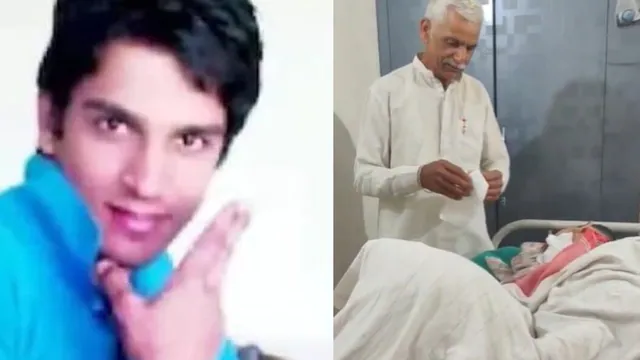
The Human Side of the Debate
Beyond laws and policies, this story is about human emotions. It is about a family that had to let go, a system that had to decide, and a society that had to reflect.
Saying Goodbye Harish Rana is not just about mourning—it is about acknowledging the complexity of life and death.
Moving Forward
As India moves forward, cases like Harish Rana’s will influence:
- Legal frameworks
- Medical guidelines
- Public awareness
The hope is that future decisions will be guided by compassion, clarity, and respect for human dignity.
Conclusion
The farewell to Harish Rana was not just a personal loss—it was a national moment of introspection. His story has brought attention to one of the most sensitive issues in modern society.
As we say Goodbye Harish Rana, we are reminded that life is not just about survival, but about dignity, choice, and peace. His journey, though filled with pain, has left behind lessons that will shape conversations for years to come.
In the end, Goodbye Harish Rana is not just a goodbye—it is a call to understand, empathize, and evolve as a society.
Read More latest news