
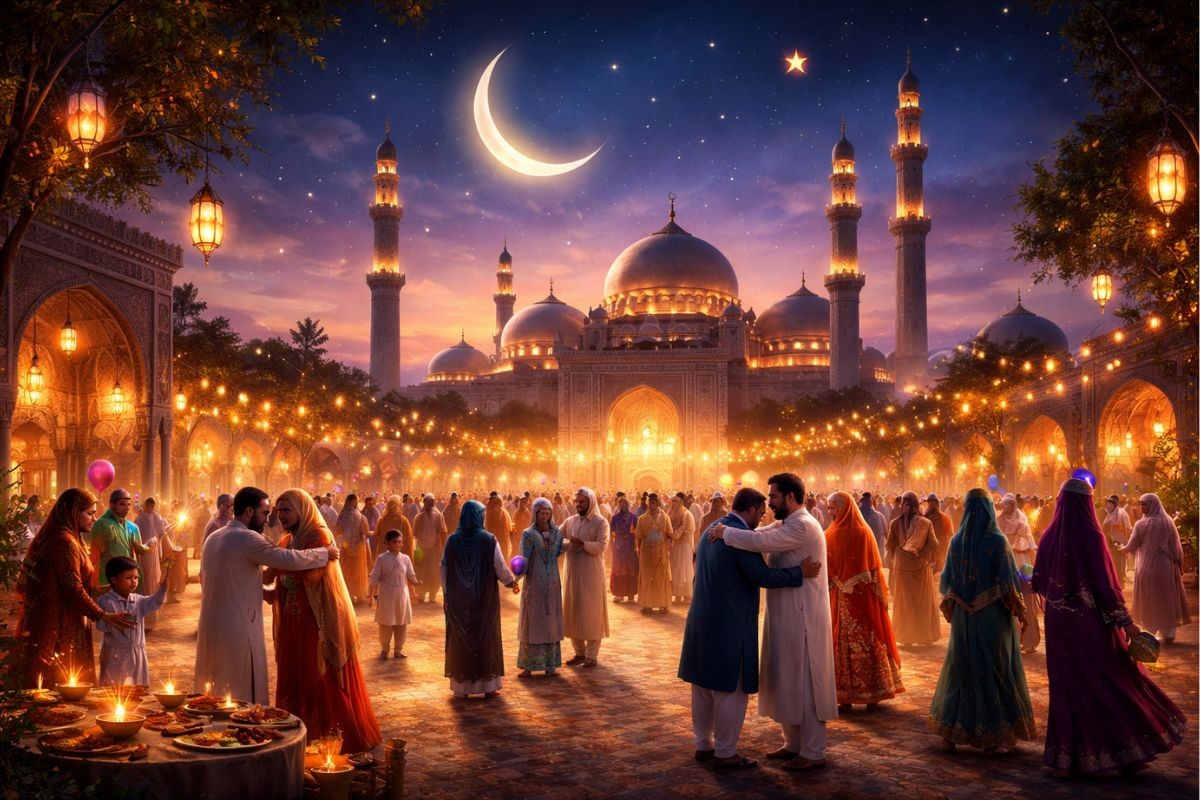
Eid al-Fitr 2026: A Nationwide Celebration of Joy, Unity, and Brotherhood
The festival of Eid al Fitr 2026has always been a symbol of peace, compassion, and togetherness in India, a country known for its diversity and cultural harmony. In Eid al Fitr 2026, this spirit was visible more vibrantly than ever before, as millions of people across the nation came together to celebrate the end of the holy month of Ramadan with prayers, feasts, and heartfelt greetings.
From the bustling streets of Mumbai to the historic lanes of Delhi, the entire country was immersed in festive fervor. The sight of people dressed in traditional attire, exchanging hugs, and sharing sweets created an atmosphere of joy and brotherhood that transcended religious and social boundaries.
The Spiritual Significance of Eid
Eid al Fitr 2026 marked the conclusion of Ramadan, a month dedicated to fasting, prayer, and self-reflection. During this period, Muslims abstain from food and drink from dawn to dusk, focusing on spiritual growth and charity. The culmination of this sacred month is celebrated as Eid, a day of gratitude and celebration.
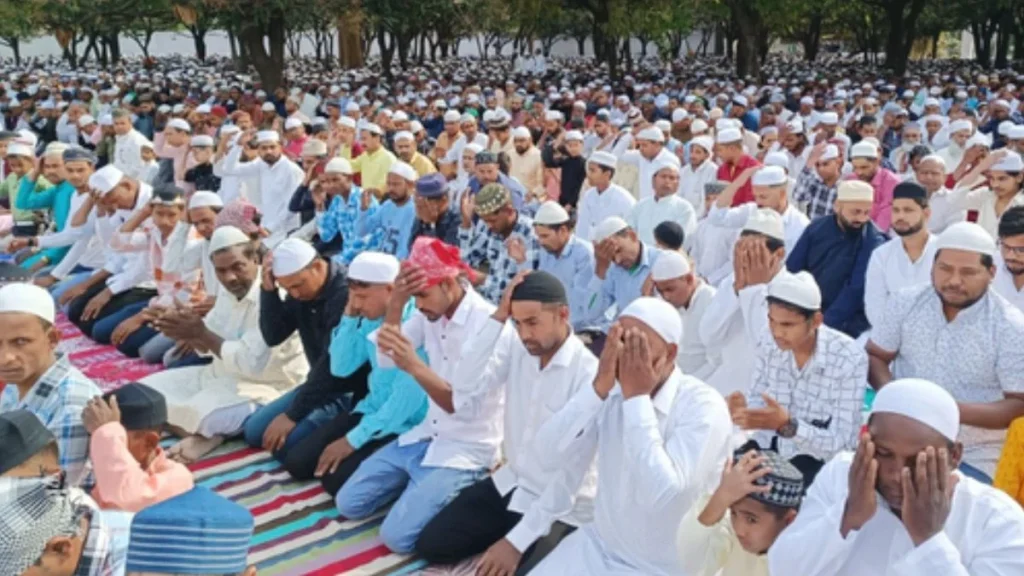
The morning of Eid al Fitr 2026 began with special prayers known as “Eid Namaz,” offered in mosques and open grounds across the country. These prayers symbolize unity, as people stand shoulder to shoulder regardless of their social or economic status.
Grand Celebrations in Mumbai
One of the most iconic scenes of Eid al Fitr 2026 was witnessed at the revered Mahim Dargah. Thousands of devotees gathered early in the morning to offer prayers and seek blessings.
The area around Mahim Dargah was beautifully decorated, and the streets were filled with the aroma of traditional delicacies. Families, friends, and visitors thronged the place, creating a lively and welcoming environment.
In Eid al Fitr 2026, Mumbai showcased its true spirit of inclusivity. People from different communities visited the dargah, greeting each other with smiles and warm embraces. The phrase “Eid Mubarak” echoed through the air, reinforcing the message of unity.
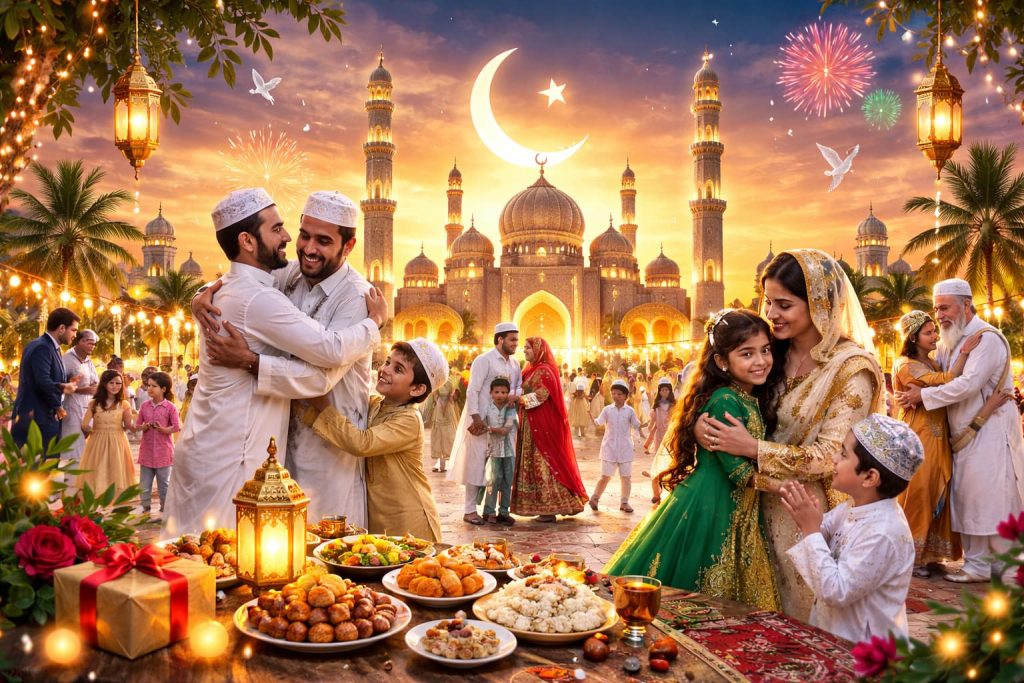
Historic Mosques of Delhi Witness Massive Gatherings
In the capital city, the grandeur of Eid al Fitr 2026 was evident at the historic Jama Masjid and Fatehpuri Masjid. These iconic mosques became the center of celebrations as thousands gathered to offer Namaz.
At Jama Masjid, one of India’s largest mosques, the courtyard was filled to capacity. Worshippers arrived early to secure a place for prayers, and the sight of the massive congregation was truly awe-inspiring.
Similarly, Fatehpuri Masjid saw a huge turnout during Eid al Fitr 2026, with devotees coming together in a spirit of devotion and joy. The historic significance of these mosques added a deeper meaning to the celebrations.
A Festival Beyond Religion
What made Eid al Fitr 2026 truly special was its universal appeal. Across India, people from various religions and communities joined in the celebrations. Neighbors visited each other’s homes, shared meals, and exchanged gifts.
In many parts of the country, non-Muslims participated enthusiastically in the festivities, highlighting India’s tradition of communal harmony. Schools, offices, and public spaces resonated with greetings and celebrations.
Eid al Fitr 2026 became a reminder that festivals are not just about rituals but also about strengthening bonds and fostering mutual respect.
The Role of Charity and Kindness
A key aspect of Eid al Fitr 2026 was the emphasis on charity. Before offering Eid prayers, Muslims are required to give “Zakat al-Fitr,” a form of charity meant to help the less fortunate celebrate the festival.
This practice ensures that everyone, regardless of their financial situation, can partake in the joy of Eid. During Eid al Fitr 2026, numerous organizations and individuals came forward to distribute food, clothes, and essentials to those in need.
Acts of kindness were visible everywhere, reinforcing the core values of compassion and generosity that Eid represents.
Traditional Food and Festive Delights
No celebration of Eid al Fitr 2026 would be complete without its delicious cuisine. From the famous “sheer khurma” to biryani and kebabs, households across the country prepared a variety of mouth-watering dishes.
In cities like Mumbai and Delhi, food stalls and markets were bustling with activity. People lined up to savor traditional delicacies, adding to the festive charm.
Families gathered around dining tables, sharing meals and laughter. The culinary aspect of Eid al Fitr 2026 played a crucial role in bringing people closer together.
Markets and Shopping Buzz
In the days leading up to Eid al Fitr 2026, markets across India witnessed भारी crowds. From clothes and accessories to sweets and gifts, people shopped enthusiastically to prepare for the festival.
Popular markets in Mumbai and Delhi were decorated with lights and banners, creating a vibrant atmosphere. The excitement was palpable as families finalized their purchases for the big day.
This shopping tradition added to the overall joy of Eid al Fitr 2026, making it a memorable experience for people of all ages.
Social Media and Digital Celebrations In Eid
In today’s digital age, Eid al Fitr 2026 also saw widespread celebrations on social media. People shared photos, videos, and messages, spreading festive cheer beyond geographical boundaries.
Hashtags related to Eid trended across platforms, with users posting greetings and capturing moments from their celebrations. This digital connection allowed people to stay connected with loved ones, even if they were far away.
Safety and Administration Efforts
To ensure smooth celebrations during Eid al Fitr 2026, authorities across various states implemented security measures and traffic arrangements. Police personnel were deployed near major mosques and crowded areas to maintain order.
In cities like Mumbai and Delhi, local administrations worked efficiently to manage the large gatherings. Their efforts ensured that people could celebrate Eid al Fitr 2026 peacefully and safely.
Cultural Performances and Community Events
In many regions, Eid al Fitr 2026 was marked by cultural programs and community events. These included music, poetry, and traditional performances that showcased the rich heritage of the festival.
Such events provided a platform for people to come together and celebrate diversity. They also helped younger generations understand the cultural significance of Eid.
The Message of Unity and Peace
At its core, Eid al Fitr 2026 carried a powerful message of unity, peace, and compassion. In a world often divided by differences, the festival served as a reminder of the importance of togetherness.
Religious leaders and community members emphasized the need to promote harmony and understanding. The celebrations across India reflected these values, making Eid al Fitr 2026 truly special.

Conclusion
As the day of Eid al Fitr 2026 came to an end, it left behind memories of joy, togetherness, and hope. From the sacred prayers at Mahim Dargah to the grand gatherings at Jama Masjid and Fatehpuri Masjid, the festival united people in a shared celebration of humanity.
The spirit of Eid al Fitr 2026 went beyond rituals and traditions. It brought people closer, encouraged acts of kindness, and reinforced the idea that unity in diversity is India’s greatest strength.
In every smile exchanged, every meal shared, and every prayer offered, Eid al Fitr 2026 stood as a testament to the enduring values of love, peace, and brotherhood.
Read More latest news

