

Akhilesh Yadav’s EVM Remark Sparks Political Debate: Trust, Technology, and the Future of Elections in India
The phrase why can not it happen with EVMs has since become a central theme in political discussions, reflecting broader anxieties about electoral transparency and democratic integrity.
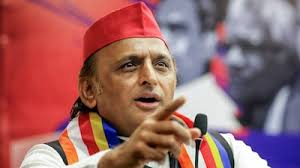
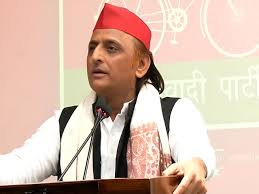
In a politically charged atmosphere following the West Bengal election discourse, Akhilesh Yadav, the chief of the Samajwadi Party, launched a sharp attack on the Bharatiya Janata Party (BJP). Speaking at a press conference, Yadav raised a provocative question that quickly dominated headlines: “If fraud can happen with smart meters, why can not it happen with EVMs?”
This statement has stirred a nationwide debate, reviving long-standing concerns about the reliability of electronic voting systems.
The Context Behind the Statement
The remark came during a discussion on election-related issues, where Akhilesh Yadav compared alleged irregularities in smart meter systems to the functioning of Electronic Voting Machines (EVMs). By asking why can not it happen with EVMs, he attempted to draw a parallel between technological vulnerabilities in different systems.
India has widely adopted EVMs to streamline the voting process, reduce manual errors, and ensure faster results. However, opposition parties have periodically questioned their reliability. Yadav’s statement why can not it happen with EVMs has reignited these concerns at a time when political tensions are already high.
Understanding EVMs in India
Electronic Voting Machines, commonly referred to as EVMs, are used across India to conduct elections efficiently. Managed by the Election Commission of India, these machines are designed to be secure, standalone devices that are not connected to the internet.
Despite assurances from authorities, skepticism persists. Statements like why can not it happen with EVMs reflect a lack of trust among certain political leaders and sections of the public. This skepticism often intensifies during closely contested elections.
The Smart Meter Analogy
Akhilesh Yadav’s comparison with smart meters is particularly interesting. Smart meters, used in electricity distribution, have faced allegations of inaccuracies and manipulation in some regions. By invoking this example, Yadav questioned the infallibility of technology.
His repeated assertion why can not it happen with EVMs suggests that if one technological system can be compromised, others might also be vulnerable. While the analogy is debated, it has successfully drawn attention to the issue of technological trust.
Political Reactions
The BJP has strongly rejected Yadav’s claims, calling them baseless and politically motivated. Party leaders argue that EVMs have been used for decades without credible evidence of large-scale manipulation.
On the other hand, opposition parties have echoed Yadav’s concerns, using the phrase why can not it happen with EVMs to demand greater transparency. This divide highlights the ongoing struggle between political narratives and institutional assurances.
The Role of the Election Commission
The Election Commission of India has consistently defended the integrity of EVMs. It has implemented multiple safeguards, including Voter Verifiable Paper Audit Trail (VVPAT) systems, to enhance transparency.
However, statements like why can not it happen with EVMs put pressure on the Commission to continuously reassure the public. Maintaining trust in electoral processes is crucial for the functioning of democracy.
Historical Debate on EVMs
Concerns about EVMs are not new. Various political leaders across different parties have, at different times, questioned their reliability. From court cases to public protests, the debate has evolved over the years.
Akhilesh Yadav’s statement why can not it happen with EVMs adds a new dimension by linking the issue to broader technological vulnerabilities. It reflects a shift from isolated allegations to a more systemic critique.
Democracy and Public Trust
At the heart of this debate lies the issue of public trust. Elections are the cornerstone of democracy, and any doubt about their fairness can have serious implications.
By repeatedly asking why can not it happen with EVMs, Yadav has tapped into existing concerns about transparency and accountability. Whether these concerns are justified or not, they highlight the need for continuous dialogue and improvement.
Media and Public Discourse
The media has played a significant role in amplifying Yadav’s statement. News channels, social media platforms, and political analysts have extensively discussed the phrase why can not it happen with EVMs.
This widespread coverage has ensured that the issue remains in the public eye. It also demonstrates how a single statement can shape national discourse in the digital age.
Technical Safeguards and Counterarguments
Experts often point out that EVMs in India are standalone devices, making them less susceptible to hacking compared to internet-connected systems. Additionally, strict protocols govern their storage, transportation, and usage.
Despite these safeguards, the question why can not it happen with EVMs continues to resonate. It reflects a gap between technical assurances and public perception—a gap that needs to be addressed through transparency and communication.
Political Strategy or Genuine Concern?
One key question is whether Yadav’s statement is driven by genuine concern or political strategy. Critics argue that raising doubts about EVMs can undermine confidence in election results.
Supporters, however, believe that questioning systems is a legitimate part of democratic discourse. The phrase why can not it happen with EVMs thus becomes a tool for both political critique and public engagement.
Impact on Future Elections
As India prepares for future elections, debates like these are likely to intensify. The repeated use of why can not it happen with EVMs may influence how voters perceive the electoral process.
Ensuring transparency and addressing concerns proactively will be essential for maintaining trust. The Election Commission and political parties alike have a role to play in this process.
The Need for Constructive Dialogue
Instead of polarizing debates, there is a need for constructive dialogue involving political leaders, experts, and the public. Discussions should focus on improving systems rather than merely criticizing them.
Akhilesh Yadav’s statement why can not it happen with EVMs can serve as a starting point for such dialogue, encouraging stakeholders to work towards stronger electoral mechanisms.

Conclusion
The remark by Akhilesh Yadav—“If fraud can happen with smart meters, why can not it happen with EVMs?”—has reignited a crucial debate about technology, trust, and democracy in India.
The phrase why can not it happen with EVMs has become a symbol of broader concerns about transparency and accountability. While opinions may differ, the importance of maintaining trust in the electoral process cannot be overstated.
Ultimately, democracy thrives on विश्वास, संवाद, and continuous improvement. Whether one agrees with Yadav’s statement or not, the discussion it has sparked is essential for strengthening India’s democratic foundations.
Read more latest news

