
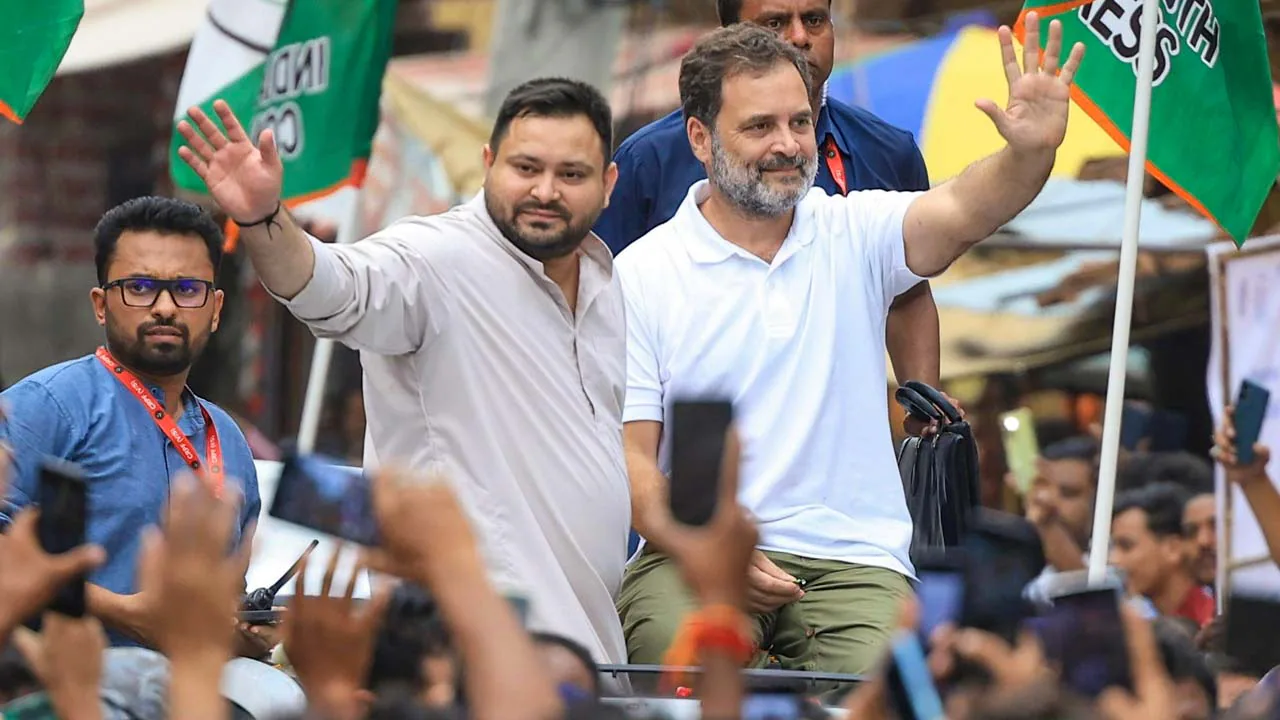
Echo in Bihar Politics – What Was Special on the Second Day of ‘Voter Rights Yatra’?
Voter Rights Yatra Indian politics has always been full of movements, protests, and mass mobilizations that shape the narrative of democracy. In this tradition, Bihar has once again become the epicenter of political debate with the launch of the ‘Voter Rights Yatra’. The second day of this yatra has attracted immense attention, sparking discussions not only within Bihar but also at the national level. From fiery speeches to public participation, from political symbolism to electoral messaging, the journey is turning into a movement of voices demanding the protection of democracy and citizens’ voting rights.
This blog will analyze in detail the second day of the Voter Rights Yatra, its political impact, historical relevance, and what it signifies for the future of Bihar’s politics.
1. Introduction: Why ‘Voter Rights Yatra’ Matters?
India is the world’s largest democracy, and the right to vote is its most powerful weapon. In recent years, opposition parties, activists, and even common citizens have repeatedly raised concerns about electoral transparency, misuse of power, EVM controversies, and voter list irregularities. Against this backdrop, the launch of the ‘Voter Rights Yatra’ in Bihar holds significant symbolic and political value.
The second day of the yatra has seen greater participation of youth, farmers, and women, reflecting that the issue of electoral rights is not just political rhetoric but also resonates at the grassroots level.
2. The Political Landscape of Bihar
Bihar has historically been at the heart of political awakenings and democratic struggles in India. From Jayaprakash Narayan’s Total Revolution Movement to Nitish Kumar’s social justice campaigns, Bihar has produced some of the biggest movements in modern Indian politics.
Today, as the ‘Voter Rights Yatra’ enters its second day, it evokes memories of those mass struggles while also bringing a new set of challenges and aspirations to the forefront. With upcoming elections in sight, every political party is closely watching how this movement shapes public sentiment.
3. Highlights of the Second Day of ‘Voter Rights Yatra’
The second day of the yatra was full of activity, enthusiasm, and political messaging. Some of the special highlights include:
(a) Massive Public Participation
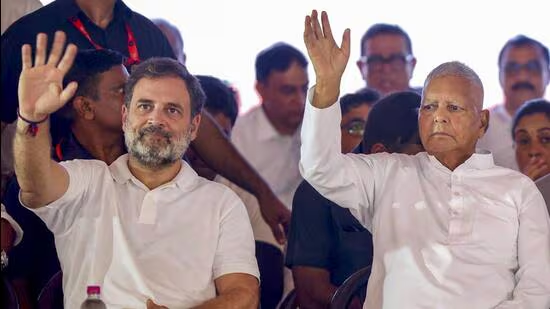
From rural villages to urban townships, people gathered in large numbers to hear the leaders. The second day witnessed increased participation of students and first-time voters, underlining the youth’s interest in safeguarding democratic rights.
(b) Strong Speeches on Democracy and Voting Rights
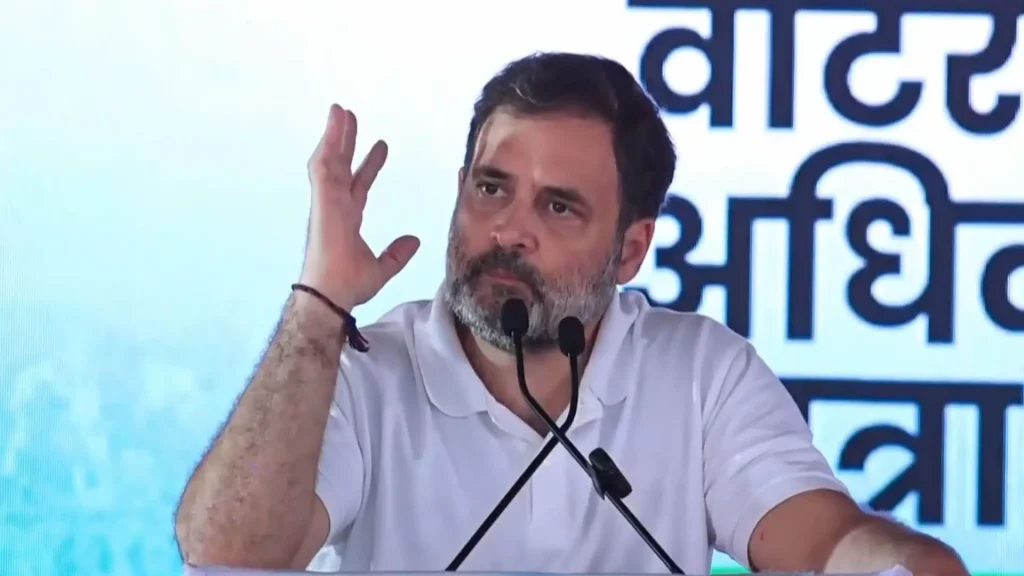
Leaders delivered impactful speeches emphasizing that “the vote is not just a right but also a weapon to hold power accountable.” Concerns were raised about manipulation of voter rolls, the role of the Election Commission, and the alleged influence of money and muscle power in elections.
(c) Symbolic March and Slogans
The yatra participants marched with placards, slogans, and even replicas of the Constitution, symbolizing the demand to protect the democratic fabric of India.
(d) Counter-Attack on the Ruling Government
The yatra also became a stage for sharp criticism of the ruling parties at both the state and central level. Allegations of neglecting voter rights, misuse of central agencies, and weakening of institutions were openly voiced.
4. Historical Resonance: Linking Past and Present
The Voter Rights Yatra is not just a present-day event but also a continuation of Bihar’s historic role in democratic struggles. In the 1970s, Jayaprakash Narayan’s movement began as a fight for democracy and against authoritarianism. Today, this yatra attempts to revive the same spirit by highlighting electoral justice.
By carrying the Constitution as a symbol and reminding people of the sacrifices made for democracy, the second day of the yatra effectively connected the past struggles with present concerns.
5. The Message to the Youth and First-Time Voters
One of the most striking aspects of the second day was its appeal to the youth. Leaders repeatedly emphasized that the younger generation should not treat voting as a formality but as a responsibility and instrument of change.
Workshops and interactive sessions were also organized, where young participants expressed concerns about:
- Lack of awareness of voting rights
- Difficulty in voter registration and Aadhaar-linking
- Influence of caste and money in elections
- The role of social media in shaping political opinions
This direct engagement with the youth gave the yatra a modern touch in an age-old democratic struggle.
6. Political Implications: Who Gains, Who Loses?
(a) For the Opposition
The yatra strengthens their narrative that the current system is failing to protect democracy. It allows them to connect with the masses on a non-partisan issue – the right to vote.
(b) For the Ruling Party
It poses a challenge, as the ruling alliance cannot outright dismiss the cause of voter rights. Instead, they may attempt to portray the yatra as a political gimmick rather than a genuine movement.
(c) For Neutral Citizens
Many non-partisan citizens are likely to see the yatra as a reminder of their democratic power. If this sentiment grows, it could significantly influence voter turnout in the upcoming elections.
7. Voices from the Ground
Interviews with citizens who participated on the second day revealed some recurring themes:
- Farmers: Worried about policies affecting rural development but strongly supportive of the idea that their vote should be respected.
- Women: Many women expressed that they now participate in voting independently, without family pressure, and wanted this right safeguarded.
- Students: First-time voters said the yatra gave them confidence that their voices matter in shaping the future.
These voices indicate that the yatra is not merely symbolic but resonates with ordinary people’s lived experiences.
8. Media and Social Media Impact
The second day of the yatra created a buzz on traditional and digital media.
- National channels covered the large crowds and fiery speeches.
- On social media platforms like Twitter, Facebook, and Instagram, hashtags like #VoterRightsYatra and #DemocracyInBihar began trending.
- Several viral videos of youth chanting slogans and waving the Constitution book became symbolic images of the day.
This visibility gave the movement nationwide attention.
9. The Challenges Ahead
While the yatra gained momentum on its second day, several challenges lie ahead:
- Maintaining Momentum – Initial enthusiasm may fade if the movement does not sustain.
- Avoiding Politicization – If the movement appears too aligned with one party, it may lose credibility.
- Concrete Outcomes – People want not just slogans but actionable steps like electoral reforms, transparency in voter rolls, and accountability of institutions.
10. Conclusion: Why the Second Day Was Special
The second day of the ‘Voter Rights Yatra’ in Bihar stood out because it went beyond symbolism. It became a platform where people from diverse sections of society – youth, women, farmers, activists – came together under a common cause: protecting democracy through the power of the vote.
The echoes of this day are likely to be heard far beyond Bihar, as the demand for stronger voter rights resonates across India. In many ways, this movement has revived the spirit of people’s power and reminded the political class that in a democracy, the ultimate authority rests with the citizens.
The coming days will determine whether the yatra turns into a transformative movement or fades as another political campaign. But for now, one thing is clear: on its second day, the ‘Voter Rights Yatra’ has successfully reignited the debate on electoral justice and the strength of Indian democracy.
Read more latest news

