
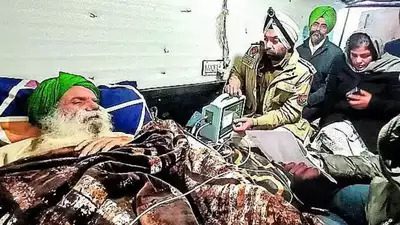
The farmers’ protest in Punjab
The farmers’ protest in Punjab continues to dominate headlines, marking one of the most significant standoffs between the government and the agricultural community in recent years. The roots of the unrest lie in the agrarian reforms introduced by the Centre, which the farming community claims threaten their livelihoods. Despite prolonged negotiations, the impasse remains unresolved, prompting the Punjab government to appeal to the Centre for urgent intervention.
This article The farmers’ protest in Punjab delves into the origins of the protest, the core demands of the farmers, the Punjab government’s efforts, and the road ahead.
Understanding the Farmers’ Protest: A Background
The Trigger: Farm Laws
The farmers’ protest in Punjab The protests began in late 2020 when the Centre introduced three farm laws aimed at liberalizing the agricultural sector:
- The Farmers’ Produce Trade and Commerce Act: Allowed farmers to sell their produce outside state-regulated APMC (Agricultural Produce Market Committee) markets.
- The Farmers (Empowerment and Protection) Agreement on Price Assurance Act: Facilitated contract farming.
- The Essential Commodities (Amendment) Act: Deregulated essential commodities, allowing private players to stockpile certain goods.
While the The farmers’ protest in Punjab argued that these reforms would modernize agriculture and improve farmers’ incomes, the farming community, especially in Punjab and Haryana, saw them as a threat to the Minimum Support Price (MSP) system and their overall economic security.
The Long March to Delhi
The farmers’ protest in Punjab, Haryana, and Uttar Pradesh mobilized in large numbers, marching to Delhi in protest. The movement garnered widespread support, with thousands of farmers camping at Delhi’s borders for over a year, braving extreme weather and logistical challenges.
Core Demands of the Farmers
The farmers’ protest in Punjab Despite the repeal of the contentious farm laws in November 2021, discontent among the farming community persists. Their primary demands include:
- Legal Guarantee for MSP: Farmers want a law ensuring MSP for all crops, fearing exploitation by private players.
- Waiver of Agricultural Loans: Debt has been a significant issue, leading to distress and suicides among farmers.
- Reduction in Input Costs: Subsidies on fertilizers, seeds, and electricity.
- Fair Compensation for Crop Damage: Adequate relief for losses due to unseasonal rains, floods, and other natural calamities.
- Withdrawal of Cases: Farmers demand the withdrawal of cases filed against them during the protest.
Punjab Government’s Role in the Crisis
Initial Support for Farmers
The farmers’ protest in Punjab, led by Chief Minister Bhagwant Mann, has consistently supported the farmers’ movement. Recognizing agriculture as the backbone of Punjab’s economy, the state has aligned itself with the demands of the farming community.
Attempts at Resolution
The farmers’ protest in Punjab has held several rounds of discussions with farmers’ unions, trying to mediate between them and the Centre. Key measures undertaken include:
- MSP Assurances: Efforts to ensure MSP for crops like wheat and paddy.
- Debt Relief Schemes: Implementation of loan waivers and subsidies to reduce financial distress.
- Flood Relief Packages: Providing compensation for crop damage caused by floods in 2023.
The farmers’ protest in Punjab However, these efforts have been insufficient to quell the unrest, as many issues require intervention at the national level.
Centre’s Response So Far
Initial Negotiations
The farmers’ protest in Punjab The Centre engaged in multiple rounds of talks with farmers’ unions during the peak of the protests. While some compromises were reached, including the repeal of the farm laws, other demands, particularly a legal MSP guarantee, were left unaddressed.
Reluctance to Commit
The Centre has resisted making MSP legally binding, citing concerns over fiscal implications and market distortions. Instead, it has focused on schemes like PM-KISAN and crop insurance to support farmers indirectly.
Political Ramifications
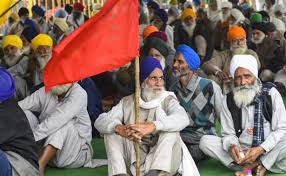
The farmers’ protest has had significant political implications, affecting the BJP’s electoral fortunes in Punjab and parts of western Uttar Pradesh. The Centre’s handling of the issue continues to be a point of contention.
The Current Impasse
Despite the repeal of farm laws, mistrust between farmers and the government lingers. The ongoing protest in Punjab is emblematic of this unresolved tension. Key issues fueling the current unrest include:
- Flood-Related Distress: Recent floods have devastated large swathes of farmland in Punjab, leaving farmers in dire straits.
- Unfulfilled Promises: Farmers allege that both the Centre and the state have failed to deliver on key promises made during negotiations.
- Pending Cases: The continued legal proceedings against farmers involved in protests remain a sore point.
Punjab Government Appeals for Centre’s Help
In a significant development, CM Bhagwant Mann has formally requested the Centre’s intervention to resolve the crisis. The state government has outlined the following measures as essential:
- Legal MSP Framework: Punjab is pushing for a comprehensive MSP law to safeguard farmers’ incomes.
- Special Relief Packages: Financial aid to address the aftermath of floods and crop damage.
- Debt Restructuring: Collaboration with nationalized banks to ease the debt burden on farmers.
- Policy Reforms: Revisions to agricultural policies to address systemic issues.
Challenges in Resolving the Crisis
Economic Constraints
Punjab’s fiscal health is precarious, limiting its ability to independently address farmers’ demands. The Centre’s assistance is critical for implementing large-scale relief measures.
Political Polarization
The issue has become deeply politicized, with opposition parties blaming both the Centre and the Punjab government for their alleged inaction. This polarization complicates consensus-building efforts.
Mistrust Among Stakeholders
Decades of unfulfilled promises have eroded farmers’ trust in political leadership. Rebuilding this trust is essential but challenging.
The Way Forward
Resolving the farmers’ protest requires a multi-pronged approach involving both immediate relief and long-term reforms. Key steps include:
1. Comprehensive MSP Reform
The Centre must engage with farmers’ unions to develop a legal framework for MSP that balances fiscal sustainability with farmers’ needs.
2. Financial Support
Immediate financial aid, including debt waivers and compensation for flood-related losses, is crucial to alleviate farmers’ distress.
3. Policy Innovation
Innovative solutions, such as promoting crop diversification and investing in agri-tech, can address systemic issues in agriculture.
4. Transparent Dialogue
A structured dialogue mechanism involving farmers, state governments, and the Centre can help build consensus and resolve grievances.
5. Addressing Climate Challenges
With climate change exacerbating agricultural challenges, investments in irrigation, flood management, and weather-resilient crops are imperative.
Conclusion
The farmers’ protest in Punjab is a poignant reminder of the challenges faced by India’s agricultural sector. While the Punjab government’s support for the farming community is commendable, lasting solutions require active collaboration with the Centre. Addressing the demands of farmers, particularly a legal MSP framework, is essential to rebuild trust and ensure the sustainability of Indian agriculture.
As the protest continues, the spotlight remains on the Centre’s response. Will it rise to the occasion and work with Punjab to resolve the crisis? The answer will not only shape the future of Punjab’s farmers but also have far-reaching implications for Indian agriculture and governance.
Read more Latest news

