

Triumph and Tragedy: Bengaluru’s Celebration of RCB’s Historic IPL Victory Turns into Mourning
Introduction
On June 4, 2025, the city of Bengaluru was enveloped in a euphoric celebration. Royal Challengers Bangalore (RCB), one of the most beloved franchises in the Indian Premier League, had finally broken the 18-year-long drought and clinched their maiden IPL trophy. The streets of Karnataka’s capital city were painted red and gold, fans flooded every corner with chants of “Ee Sala Cup Namde,” and fireworks lit up the skies.
However, as the sun began to set and festivities escalated, an unimaginable tragedy struck. A stampede at the M. Chinnaswamy Stadium—RCB’s home ground and the epicenter of celebrations—turned jubilation into despair. Eleven people lost their lives, dozens were injured, and the city’s joy was suddenly pierced by mourning cries. This blog explores the events leading up to the tragedy, what went wrong, eyewitness accounts, government responses, and the emotional aftermath for the people of Bengaluru.
RCB’s Historic Win: A Moment Worth Remembering
Royal Challengers Bangalore’s win in the IPL 2025 final was more than just a sports victory—it was a cultural and emotional phenomenon. After years of heartbreak, near-misses, and endless memes, RCB fans finally had their moment of vindication. The team, under the dynamic leadership of Faf du Plessis and power-packed performances from Virat Kohli, Glenn Maxwell, and Mohammed Siraj, defeated Rajasthan Royals in a thrilling final at the Narendra Modi Stadium in Ahmedabad.
RCB’s victory sparked wild celebrations across Karnataka, with Bengaluru being the heart of it all. Social media was flooded with celebratory posts, fans danced on roads, and a massive victory parade was planned at the M Chinnaswamy Stadium. Thousands began gathering at the venue hours in advance, eagerly waiting to catch a glimpse of their heroes.
The Build-Up to the Event
The celebrations at Chinnaswamy were announced just hours after the final match concluded. The Karnataka State Cricket Association (KSCA), in coordination with the city administration, planned a felicitation event and a trophy presentation in front of the home crowd. While entry was declared free, there was no registration system in place, leading to massive overcrowding.
The stadium, with an official seating capacity of around 40,000, witnessed more than 65,000 people trying to gain entry. Outside, the streets were choked with fans, families, and media personnel. Loudspeakers blared victory songs, and giant screens displayed match highlights. The energy was infectious, but so was the growing concern among police officers about the uncontrolled crowd.
Moments Before the Tragedy
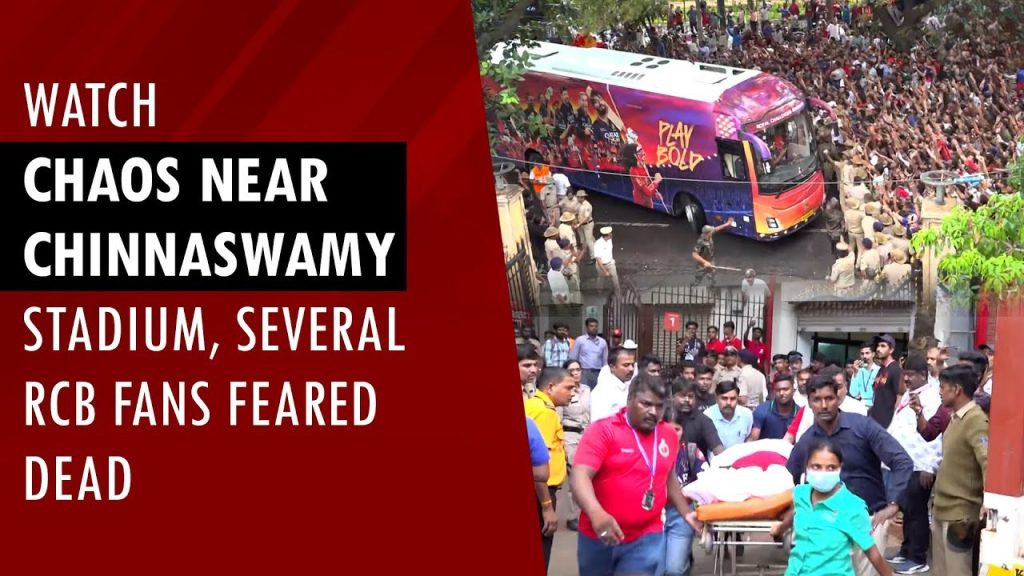
Around 6:45 PM, a rumor spread through the crowd that Virat Kohli and Faf du Plessis had already arrived and were about to appear on stage. The gates, which had been temporarily closed due to the overwhelming crowd, were suddenly stormed by thousands desperate to enter. The security personnel—already outnumbered—tried to hold the line but failed.
Within minutes, chaos erupted. People began pushing forward, those in front got crushed against barricades, and others fell on the ground. The stampede grew uncontrollable, and screams of panic replaced the chants of celebration. It took emergency services nearly 40 minutes to arrive and clear the scene.
The Casualties and Injuries
As per official reports, eleven people were declared dead by midnight. Among the deceased were three women and two minors. Over 70 individuals were taken to nearby hospitals, including Mallya Hospital and Bowring and Lady Curzon Hospital. Some sustained critical injuries like fractures, internal bleeding, and trauma-induced shock.
The suddenness and scale of the tragedy shook the city. What was supposed to be a night of celebration became one of the darkest moments in Bengaluru’s sporting history.
Eyewitness Accounts
Ramesh Gowda, a 27-year-old RCB fan who survived the stampede, shared:
“We were all so happy. People were singing, waving flags, and waiting for Kohli. Then suddenly, everyone rushed. I fell but someone pulled me up. I saw people trampling over others. I still can’t forget the screams.”
A young mother who lost her 10-year-old son said:
“He was so excited to see his favorite team win. We came to celebrate. Now I have to return home alone.”
Security volunteers described how they tried to create human chains to block crowd surges, but the pressure was too much. “We were begging people to step back,” one said, “but no one listened.”
Administrative Oversight
This incident has raised serious questions about the event’s planning and crowd control measures. Despite knowing RCB’s massive fanbase and the emotional weight of their first IPL title, the KSCA and police seemingly underestimated the turnout.
Key failures included:
- Lack of crowd caps or registration: Open entry without digital tickets led to unregulated inflow.
- Inadequate barriers and emergency exits: Many exits were locked or inaccessible.
- Insufficient police force: Only 600 personnel were reportedly deployed for a crowd of over 60,000.
- Poor communication: Rumors and misinformation played a huge role in triggering panic.

Government and Police Response
Karnataka Chief Minister Siddaramaiah expressed deep sorrow and announced a compensation of ₹10 lakh to the families of the deceased. He also called for a high-level probe to investigate lapses in planning and security.
The Bengaluru City Police have registered an FIR against “unknown organizers” for negligence, and KSCA officials may face inquiry under IPC sections related to culpable homicide not amounting to murder.
Home Minister G. Parameshwara said:
“The joy of RCB’s win has been clouded by this tragedy. This is a wake-up call. Every life lost today is our collective failure.”
A City in Mourning
Bengaluru woke up to a somber morning on June 5. Posters celebrating RCB were now accompanied by black ribbons. Flags flew at half-mast at various places, and candlelight vigils were organized at Cubbon Park, MG Road, and the stadium itself.
RCB players, visibly shaken by the incident, canceled all public appearances. Virat Kohli posted on social media:
“I am heartbroken. We won the cup, but lost precious lives in the process. My prayers go out to all the families. We will never forget you.”
Social Media Reactions
The incident led to a nationwide outpouring of grief and anger on social media. Hashtags like #RCBStampede, #ChinnaswamyTragedy, and #JusticeForFans started trending.
Popular reactions included:
- Sympathy and support from fans across franchises.
- Criticism toward event organizers and the state government.
- Calls for better stadium infrastructure and crowd control laws.
Cricketer AB de Villiers tweeted:
“Heartbroken to hear about the tragedy in Bengaluru. RCB fans are the best in the world. Prayers for all affected.”
Lessons for the Future
This tragic incident underlines the importance of crowd management in large-scale events, especially sports celebrations that draw emotional and passionate crowds. Here are key takeaways:
- Pre-registration and digital ticketing must be made mandatory.
- Live broadcast options should be prioritized over physical gatherings.
- Police planning and route mapping must be detailed, with scenario simulations.
- Emergency medical booths and fire exits should be visible, accessible, and staffed.
- Rumor management through verified public announcements is crucial to avoid panic.
Conclusion: Bitter Aftertaste of a Historic Win
Royal Challengers Bangalore winning the IPL 2025 will always remain a historic achievement in Indian cricket. But unfortunately, it will also be remembered for the heartbreak that followed.
While the team brought home the long-awaited trophy, the lives lost at Chinnaswamy Stadium have cast a shadow that no victory parade can erase. The celebrations, once the heartbeat of the city, have become a reminder of how fragile joy can be when planning, safety, and responsibility are overlooked.
As Bengaluru mourns, the rest of India watches and learns. Triumph should never turn into tragedy. Sports unite us—but only when every fan can return home safely.
read more latest news

