
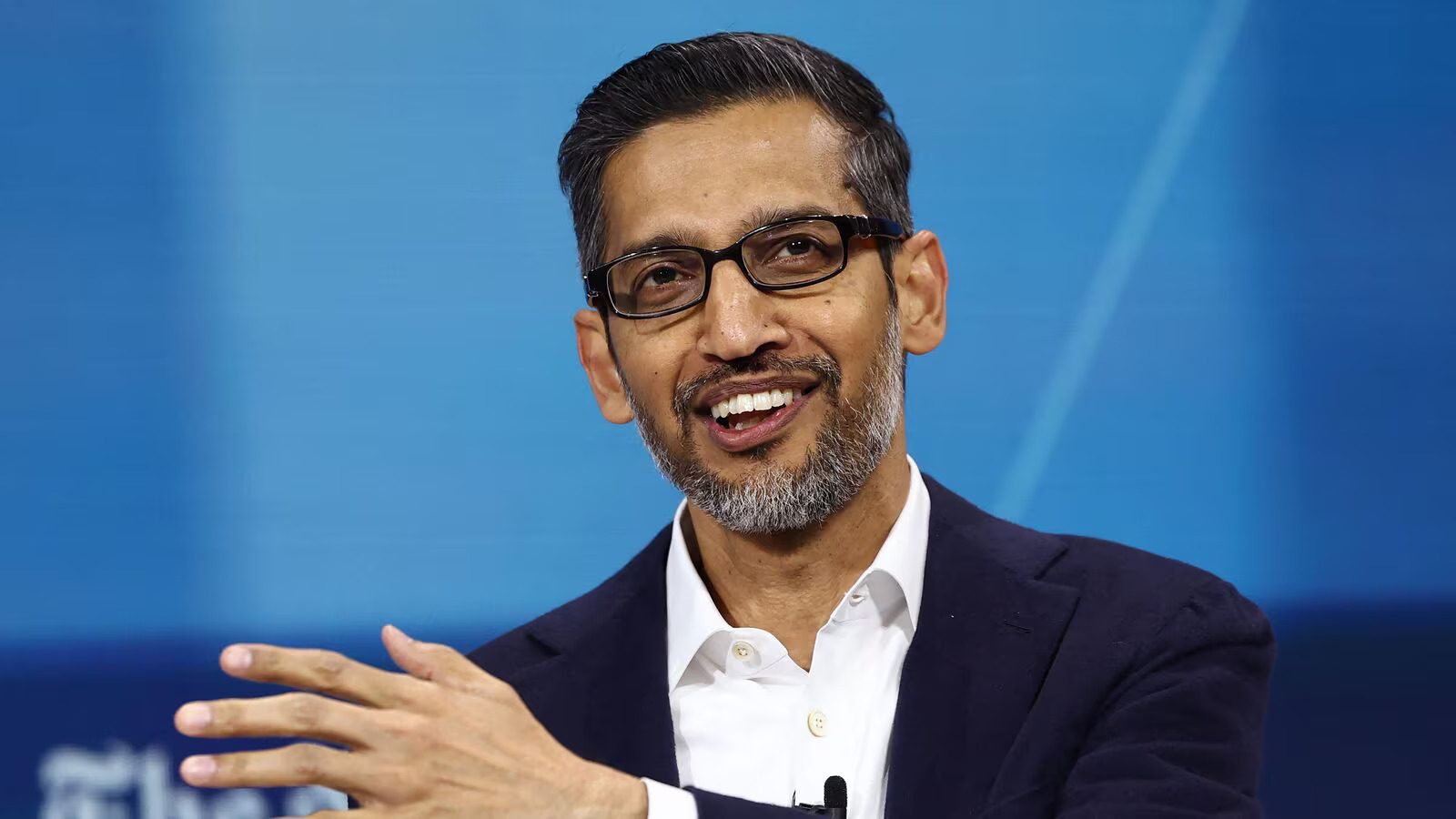
2025 Will Be a Pivotal Year for Google: Sundar Pichai’s Vision for the Future
Sundar Pichai, the CEO of Alphabet Inc. and its flagship subsidiary, Google, recently shared his insights on why 2025 is poised to be a critical year for the tech giant. During a keynote address and a series of interviews, Pichai highlighted the challenges and opportunities that lie ahead, emphasizing that “the stakes are high” as Google navigates a rapidly changing technological landscape.
This blog delves into the various dimensions of Sundar Pichai statements, analyzing the factors that make 2025 a defining year for Google, from advancements in artificial intelligence (AI) and cloud computing to growing regulatory pressures and competitive dynamics.
Why 2025 is Critical: The Technological and Market Landscape
1. The AI Revolution
AI remains at the heart of Google’s strategy, and 2025 is expected to be a transformative year for the industry.
- Generative AI Leadership: With tools like Bard, Google Workspace enhancements, and AI-driven search capabilities, Google is racing to solidify its leadership in generative AI.
- Competition with OpenAI and Microsoft: Rivals like Microsoft, leveraging OpenAI’s GPT technology, have made significant inroads, challenging Google’s dominance in search and productivity tools.
- AI Democratization: Pichai stressed the importance of making AI accessible to individuals and businesses, ensuring it remains a tool for innovation rather than division.
2. Search Engine Evolution
Sundar Pichai Google’s search engine, its core business, is undergoing a paradigm shift.
- The Shift to Conversational Search: Consumers are increasingly favoring AI-driven conversational interfaces over traditional keyword searches.
- Integration of AI in Search: Google Search Generative Experience (SGE) is a bold step toward redefining how people interact with information online.
- Monetization Challenges: Striking a balance between user experience and ad revenue in this new search format will be a key challenge.
3. Cloud Computing and Enterprise Solutions
The cloud business has become a major growth driver for Google.
- Growth Trajectory: Sundar Pichai Google Cloud saw significant gains in 2024, and maintaining this momentum will be crucial.
- AI in the Cloud: Offering AI-powered solutions to enterprises is a competitive advantage, but it also requires substantial innovation to outpace rivals like AWS and Azure.
- Sustainability Goals: Google Cloud’s commitment to carbon-neutral data centers aligns with broader corporate sustainability initiatives, making 2025 a milestone year for delivering on these promises.
Key Challenges Google Faces in 2025
1. Regulatory Pressures
Sundar Pichai Governments worldwide are intensifying scrutiny on big tech companies like Google.
- Antitrust Lawsuits: Ongoing legal battles over monopolistic practices in search, advertising, and app distribution could culminate in significant rulings by 2025.
- Data Privacy Regulations: Adapting to stringent data privacy laws, particularly in the EU and the US, will be a costly and complex undertaking.
- AI Ethics and Regulation: As AI becomes more ubiquitous, regulators are likely to demand greater transparency and accountability from companies like Google.
2. Competitive Landscape
Sundar Pichai Tech rivals are encroaching on Google’s traditional strongholds.
- Search and AI: Microsoft’s aggressive push with AI-powered Bing and OpenAI integration has raised the stakes in the search market.
- Social Media and Video Platforms: TikTok, Meta’s Reels, and emerging platforms continue to challenge YouTube’s dominance.
- Hardware Ecosystem: Competing with Apple’s ecosystem requires sustained innovation in products like Pixel phones and Nest devices.
3. Macroeconomic Uncertainty
Sundar Pichai Global economic headwinds could impact Google’s growth trajectory.
- Ad Revenue Dependence: Advertising remains Google’s largest revenue stream, making it vulnerable to economic downturns.
- Cost Management: Rising operational costs, including investments in AI infrastructure and compliance, could strain profitability.
Pichai’s Strategic Vision for Google in 2025
1. Doubling Down on AI
AI is not just a product feature for Google—it is the foundation of its future.
- R&D Investments: Google plans to significantly increase investments in AI research, focusing on areas like deep learning, natural language processing, and quantum computing.
- AI for Everyone: Democratizing AI tools through Google Cloud and Workspace remains a priority, ensuring accessibility for small businesses and individuals.
2. Redefining Search
Search continues to be Google’s crown jewel, and its evolution is paramount.
- Next-Gen Search Interfaces: Integrating visual, conversational, and context-aware capabilities into the search experience.
- Mobile-First Innovations: As mobile internet usage grows, optimizing search for smartphones and wearable devices is critical.
3. Expanding Cloud Dominance
Cloud computing is a cornerstone of Google’s diversification strategy.
- AI-Powered Cloud Solutions: Offering cutting-edge AI services to enterprises to differentiate Google Cloud from competitors.
- Vertical Expansion: Tailoring cloud solutions for specific industries like healthcare, retail, and finance.
4. Strengthening Hardware Ecosystem
Sundar Pichai Google’s hardware division is poised for growth, with a focus on building a cohesive ecosystem.
- Pixel Devices: Enhancing integration between Pixel smartphones, Pixel Watch, and other Google products.
- Smart Home Leadership: Expanding the Nest lineup to cater to the growing smart home market.
5. Tackling Regulatory Challenges Proactively
Sundar Pichai Google aims to adopt a proactive approach to regulation.
- Collaboration with Policymakers: Engaging with governments and industry bodies to shape future tech policies.
- Transparency in AI Development: Setting industry standards for ethical AI practices.

Milestones to Watch in 2025
1. AI Milestones
- Launch of new generative AI tools for consumers and businesses.
- Integration of AI across all Google services, enhancing user experience.
2. Search Innovation
- Broader rollout of the Search Generative Experience (SGE) globally.
- Introduction of personalized, conversational search models.
3. Cloud Expansion
- Growth in Sundar Pichai Google Cloud’s market share, aiming to narrow the gap with AWS and Azure.
- Introduction of vertical-specific AI solutions for enterprises.
4. Hardware Breakthroughs
- Launch of next-gen Pixel devices with advanced AI capabilities.
- Expansion of the Nest ecosystem with new smart home innovations.
5. Regulatory and Ethical Leadership
- Setting benchmarks for compliance with global data privacy laws.
- Leading the industry in ethical AI practices.
What This Means for Investors
Bullish Case
- Google’s leadership in AI and its diversification into cloud and hardware position it for sustained growth.
- Strong R&D investments could lead to groundbreaking innovations, reinforcing its competitive edge.
Bearish Case
- Regulatory risks and intensifying competition could weigh on Google’s financial performance.
- Dependence on ad revenue makes the company vulnerable to economic downturns.
Investment Strategy
- Long-Term Investors: Focus on Google’s innovation pipeline and its ability to adapt to changing market dynamics.
- Short-Term Traders: Monitor key milestones in AI and cloud developments, as well as quarterly earnings reports.
Conclusion: Why the Stakes Are High for Google
As Sundar Pichai pointed out, 2025 will be a pivotal year for Google—a year where its ability to innovate, adapt, and lead will be tested. From navigating the AI revolution and redefining search to expanding its cloud business and addressing regulatory challenges, Google has a lot on its plate.
However, with a clear vision and a commitment to staying at the forefront of technological advancement, Google is well-positioned to not only overcome these challenges but also set new benchmarks in the industry. For investors, consumers, and stakeholders, 2025 promises to be an exciting and transformative year for the tech giant.
Read More latest news

