
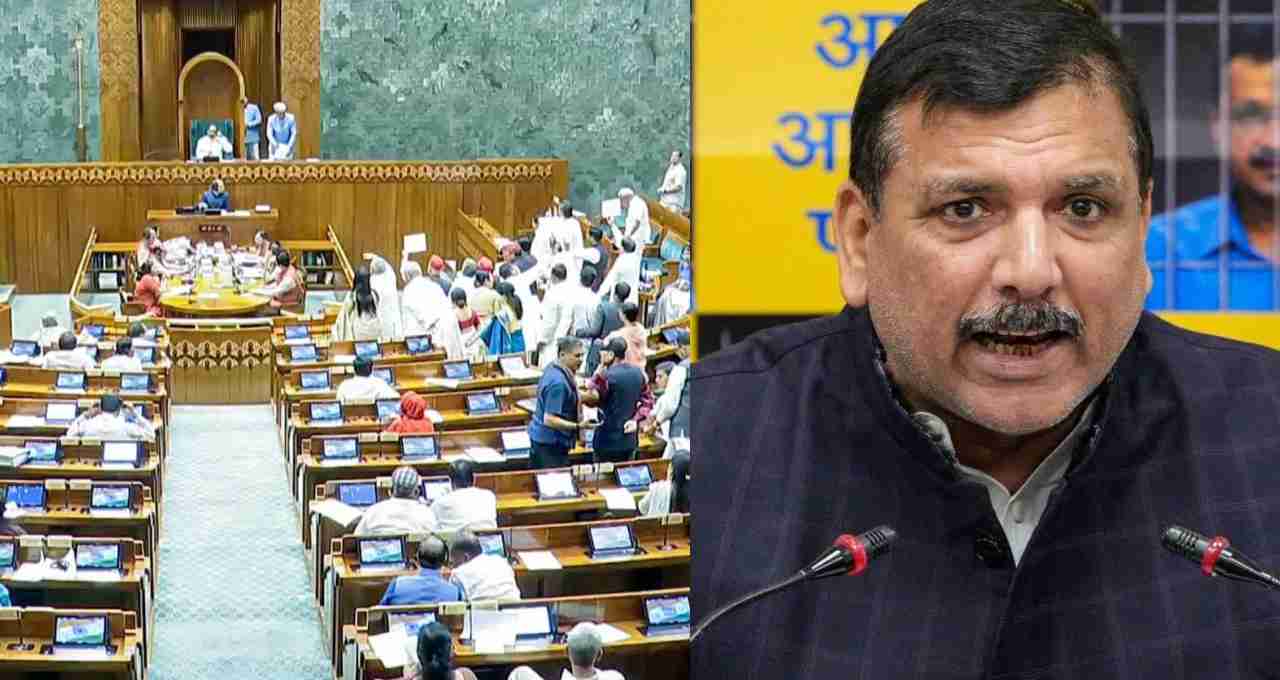
After AAP’s Exit from the INDIA Alliance, Will the Opposition’s Voice in Parliament Weaken? A Deep Dive into the Political Strategy
🔍 Keywords:
AAP Exit, INDIA Alliance, Parliament Opposition, Arvind Kejriwal, Sanjay Singh, Congress-AAP Rift, Rahul Gandhi, Opposition Unity, Indian Politics 2025, Political Strategy
Introduction
The Aam Aadmi Party’s (AAP) formal exit from the INDIA alliance after the 2024 Lok Sabha elections has created a stir in Indian political circles. This move has raised several questions about the strength of the opposition in Parliament, the future of the alliance, and AAP’s long-term goals.
Will the INDIA bloc remain relevant? Can the opposition survive without AAP’s support? What’s the strategy behind this bold step?
Let’s decode the full political play.
1. AAP’s Official Exit: What Happened?
Soon after the 2024 Lok Sabha results, senior AAP leader Sanjay Singh publicly stated that “the INDIA alliance was only meant for the Lok Sabha elections.” With this, the Aam Aadmi Party severed its ties with the INDIA bloc and clarified that it would no longer engage in seat-sharing or alliance-based strategies.
While AAP may still align with other parties on specific issues inside Parliament, it is no longer part of any formal coalition.
2. Why Did AAP Walk Out?
📍 1. Independent Expansion Goals
AAP has been on an aggressive expansion spree outside Delhi and Punjab. With its increasing footprints in Gujarat, Goa, and even Bihar, the party wants to maintain its independent brand rather than being seen as an appendage of Congress or any alliance.
📍 2. Trust Deficit with Congress
There have been deep and persistent trust issues between AAP and Congress, especially in Delhi and Punjab. Disputes over seat-sharing and campaign strategies widened the rift, and AAP felt its political space was being restricted.
📍 3. Ideological Repositioning
AAP wants to be viewed as a distinct political alternative to both the BJP and the Congress. The party now aims to champion people-centric issues without being tied to old political structures.
3. Impact on Parliament: A Weakened Opposition?
⚖️ Loss of Unified Voice
With AAP gone, the INDIA bloc is no longer a fully cohesive group. This reduces the impact of united opposition protests, walkouts, or coordinated actions in Parliament.
⚖️ Issue-based, not Strategy-based Unity
Although AAP will still raise issues like “bulldozer politics”, unemployment, or misuse of central agencies, its stance will be based on issue alignment—not on shared parliamentary strategy.

⚖️ Numerical Weakness
AAP’s members of Parliament will not be counted in INDIA’s parliamentary strength. This could affect floor coordination and dilute the opposition’s voice on important bills.
4. AAP’s Political Strategy After Exiting the Alliance
🎯 Independent Campaigning in States
AAP has announced it will contest the Bihar Assembly elections solo, rejecting any pre-poll understanding with Congress or other INDIA bloc parties. The same approach is expected in Uttar Pradesh, Gujarat, and Goa.
🎯 Focus on Core Issues
Sanjay Singh has already made it clear: AAP will raise issues like “bulldozer injustice,” police excesses, and corruption independently in Parliament.
🎯 Neither BJP Nor Congress
AAP now projects itself as the real alternative, criticizing both BJP’s authoritarianism and Congress’s inefficiency. Kejriwal’s team aims to fill the “third space” in Indian politics.
5. What This Means for the INDIA Alliance
🚨 Cracks Within
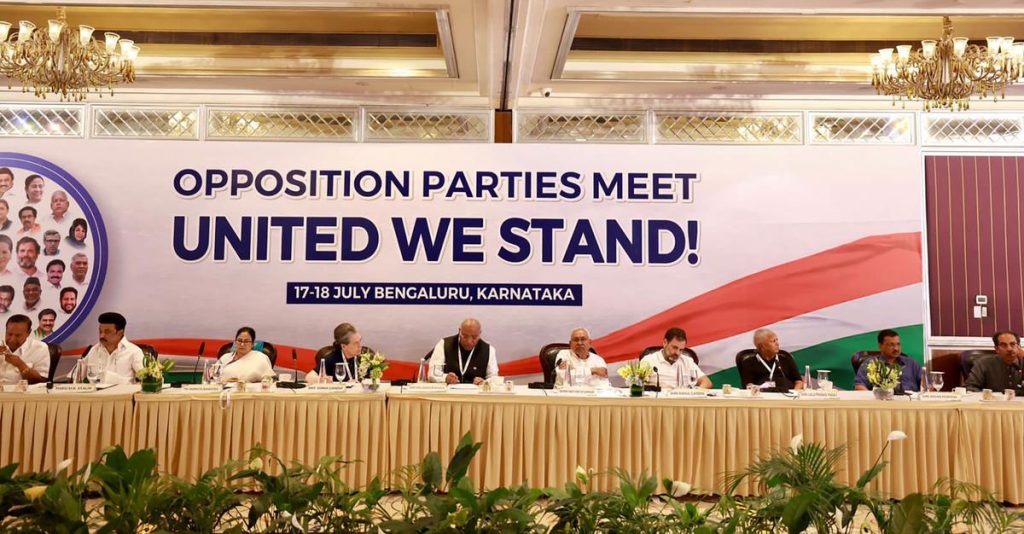
The alliance was already under pressure with parties like TMC, SP, and RJD pushing back against Congress’s central dominance. AAP’s exit could embolden other regional players to demand more autonomy—or exit altogether.
🚨 Narrative Loss
The idea of a united front against the BJP weakens with every crack. BJP can now market itself as the “only organized and stable party,” while the opposition appears divided and scattered.
🚨 Congress Under Pressure
Without AAP, the Congress party must rebuild trust and coalition strength with other regional outfits. It must also prove its own electoral strength after suffering repeated setbacks in key states.
6. Public and Expert Reactions
🧠 Political Experts Say:
- “This was coming. AAP never fully trusted Congress.”
- “The INDIA bloc was an experiment with no common ideological base.”
- “Without real coordination, alliances don’t survive.”
📱 Social Media Reacts:
“AAP used the alliance for visibility, now they’re walking away.”
“This weakens the opposition at a time when unity was needed most.”
“Better to have clear identities than fragile coalitions.”
7. What Lies Ahead for the Opposition?
🔄 Need for a New Opposition Model
Rather than a one-size-fits-all alliance, political analysts now suggest issue-based coalitions in Parliament and state-specific seat adjustments based on local strength.
🔄 Rethinking Coalition Politics
Congress must now act more as a facilitator than a commander. Power-sharing, transparency in seat negotiations, and respect for regional leaderships are essential to revive opposition morale.
🔄 AAP’s Future Role
Even outside formal alliances, AAP may play a critical role in issue mobilization, legislative debates, and public discourse—especially if it gains further ground in upcoming state elections.
8. Long-Term Implications
📊 For Democracy
The weakening of a collective opposition voice is worrying for parliamentary democracy. A strong ruling party must be countered by an equally responsible and united opposition.
📊 For 2029 General Elections
If AAP and other regional parties continue on their individual paths, the 2029 election may once again be a fragmented opposition vs united BJP scenario, unless new forms of collaboration emerge.
9. Conclusion
AAP’s decision to walk out of the INDIA alliance reflects both its ambition and the fragility of opposition unity in Indian politics. While this may allow AAP to grow independently, it exposes the INDIA bloc’s inability to offer a stable and credible national alternative.
If the opposition fails to adapt, the BJP’s dominance may continue unchallenged—not necessarily because of its strength, but because of the opposition’s internal contradictions.

