
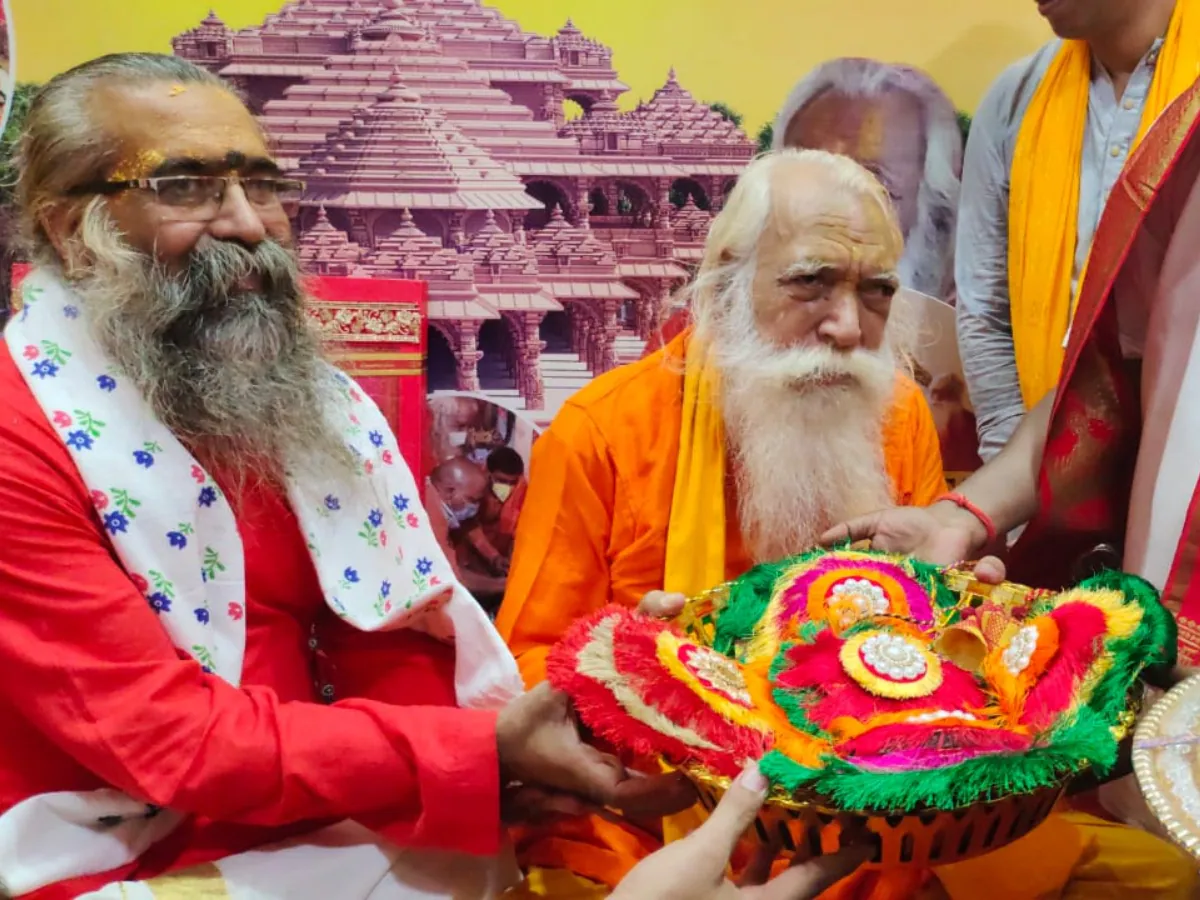
Raksha Bandhan 2025: A Historic Cultural Celebration in Yojna – When Devi Shanta Ties Rakhi on Lord Shri Ram’s.
Introduction: Raksha Bandhan Reimagined Through Culture and Mythology
In 2025, the festival of Raksha Bandhan is witnessing a historic transformation in the cultural town of Yojna, where it is being celebrated not just as a traditional sibling festival but as a symbol of India’s ancient values, traditions, and mythological richness. This year’s grand highlight—Devi Shanta, the elder sister of Lord Shri Ram, tying a Rakhi on his wrist—has caught national attention, stirring emotional resonance and cultural pride.
The event, curated as a symbolic re-enactment based on mythological interpretations, is being described by scholars, spiritual leaders, and citizens alike as a blend of bhakti, Sanskriti (culture), and samvedna (emotion). As thousands gather in Yojna and millions more watch the ceremony broadcast across India, this Raksha Bandhan becomes not only a religious observance but a historic reaffirmation of familial values and dharmic relationships.
Understanding Raksha Bandhan: The Festival of Sacred Bond
Raksha Bandhan, literally meaning “the bond of protection,” is an ancient Hindu festival celebrated every Shravan Purnima. Traditionally, a sister ties a rakhi—a sacred thread—on her brother’s wrist, praying for his well-being, while the brother vows to protect her.
But over centuries, Raksha Bandhan has evolved beyond blood relations to symbolize protection, love, and duty between any two individuals sharing a sacred bond. From historical examples like Rani Karnavati and Emperor Humayun to divine references in mythology, the festival has deep cultural and emotional layers.
This year’s re-enactment of Devi Shanta and Lord Ram’s mythological bond in Yojna gives this ancient festival a new dimension of reverence and national attention.
Who is Devi Shanta? The Forgotten Daughter of Ayodhya
Not many are aware of Devi Shanta, the daughter of King Dasharatha and Queen Kaushalya, and the elder sister of Lord Shri Ram.
According to ancient scriptures and regional lore:
- Devi Shanta was adopted by King Romapada of Anga, a close friend of Dasharatha.
- She later married Rishi Shringi, the sage who conducted the Putrakameshti Yagya—through which the divine births of Ram, Lakshman, Bharat, and Shatrughna occurred.
- She is rarely mentioned in Valmiki Ramayana but is present in various Puranas and regional Ramayana versions like the Ananda Ramayana.
By highlighting Devi Shanta during Raksha Bandhan, Yojna is bringing focus to this overlooked yet integral part of Ramayana, reinforcing the richness and depth of Indian mythology.
Yojna’s Grand Celebration: Reimagining Mythology with Devotion
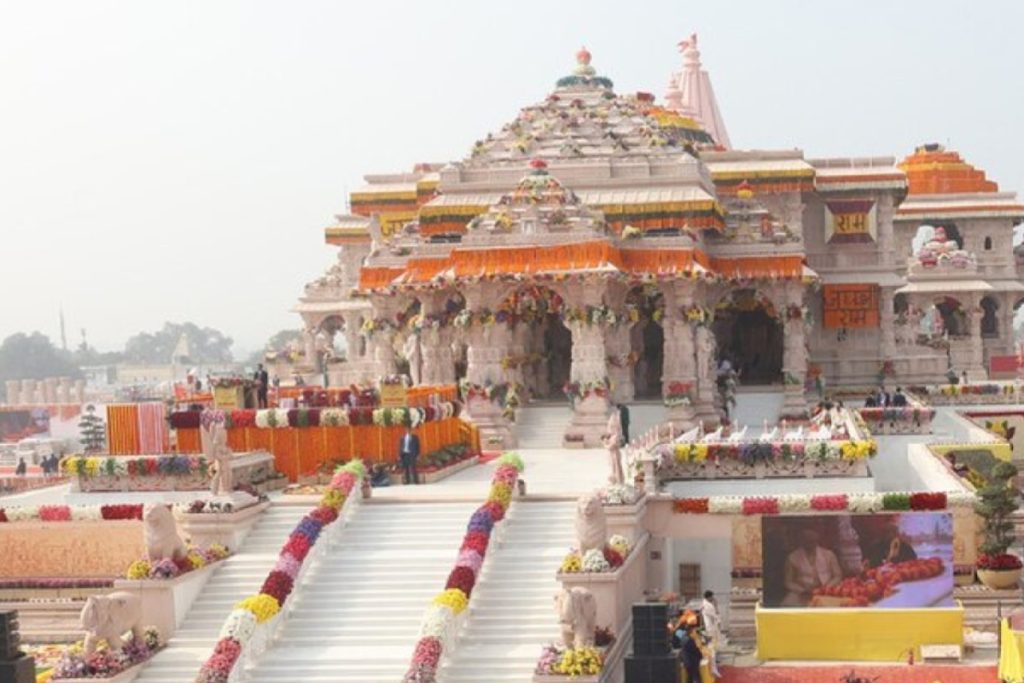
The town of Yojna, known for hosting large-scale spiritual and cultural festivals, has this year transformed itself into an Ayodhya-like setting. Streets are adorned with Ramayana murals, chants of “Jai Shri Ram” echo through the lanes, and pandals showcase tableaux depicting the royal lineage of King Dasharatha.
Highlights of the Celebration:
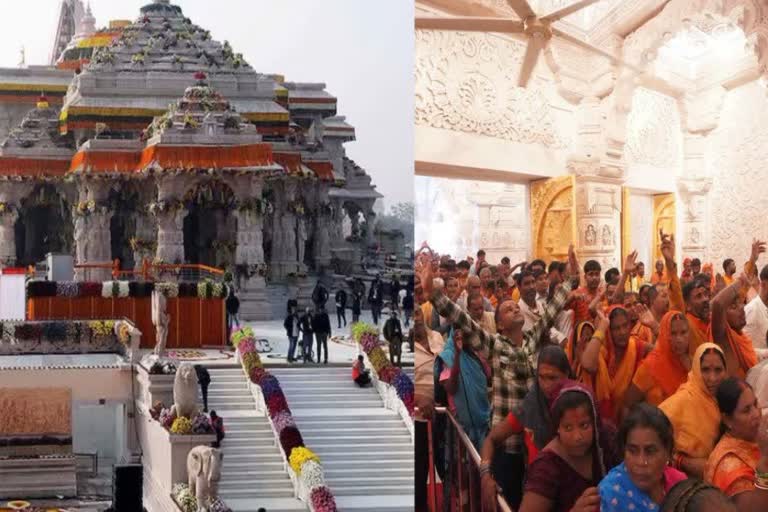
- Ramayan-Themed Procession:
A grand yatra featuring actors dressed as Ram, Lakshman, Bharat, Shatrughna, and Devi Shanta moved through the streets before reaching the main temple grounds. - Sacred Rakhi Ritual:
In a specially constructed mandap, the symbolic character of Devi Shanta performed the Raksha Bandhan ritual, tying a rakhi on Shri Ram’s wrist while chanting Vedic mantras. - Cultural Performances:
Classical dances like Kathak and Bharatanatyam depicted the emotional bond between siblings in mythological themes. - Public Participation:
Women from across India, dressed in traditional attire, tied rakhis to statues of Lord Ram, symbolizing universal protection. - Sanskrit Scholars and Katha Vachaks:
Eminent scholars narrated the forgotten tale of Devi Shanta, highlighting her sacrifice and connection to the larger dharmic narrative.
Symbolism and Spiritual Significance
This year’s event has captured the imagination of the people not only for its grandeur but for its profound spiritual symbolism:
- Raksha Bandhan is not just about protection; it’s about dharma and seva.
By showing Devi Shanta tying Rakhi on Ram’s wrist, the organizers have elevated the festival beyond its material observance to a divine family bond rooted in duty and righteousness. - Lord Ram as Maryada Purushottam, the ideal man, receiving a Rakhi from his sister, reinforces the idea that even the most revered figures are bound by relationships and responsibilities.
- Devi Shanta’s act becomes symbolic of the woman’s spiritual strength, her blessings, and her role as a protector of dharma herself—challenging patriarchal limitations of the festival.
Voices from the Ground: What Devotees and Scholars Say
Acharya Madhav Shastri (Kashi Vidvat Parishad):
“This is a historic moment. By invoking Devi Shanta, we are reclaiming the forgotten spiritual narratives. Ramayana is not a single linear story—it’s a cosmos of values and relationships.”
Kiran Sharma, Pilgrim from Varanasi:
“We have been celebrating Rakhi with our brothers, but this year, I felt a deeper connection. I tied Rakhi to Lord Ram’s murti and asked him to protect my family.”
Dr. Charu Rajput, Cultural Anthropologist:
“This celebration is an example of cultural revivalism that brings mythology into modern context without distorting its essence. It is inclusive, emotional, and educational.”
Relevance in Today’s Society: Reclaiming Family and Cultural Values
The modern world is fast-paced, individualistic, and often disconnected from tradition. The symbolic act of Devi Shanta tying Rakhi to Lord Ram carries immense relevance:
- Restoring family bonds: In a time when nuclear families and digital distractions are fragmenting relationships, such festivals remind us of the importance of emotional ties, gratitude, and care.
- Gender balance in tradition: While Raksha Bandhan has traditionally seen brothers as protectors, Devi Shanta’s role redefines the idea of protection as mutual, spiritual, and not gender-bound.
- Cultural preservation: The festival becomes an opportunity to educate new generations about lesser-known mythological figures and rituals, keeping tradition alive with a fresh perspective.
Nationwide Reactions: From Devotion to Dialogue
The festival in Yojna was covered widely by national television channels, live-streamed on religious YouTube channels, and trended on social media platforms.
Social Media Buzz:
- #RakshaBandhan2025
- #DeviShantaAndShriRam
- #MythologyMeetsModernity
People across India began sharing pictures of tying Rakhi to Ram idols at home, organizing bhajans dedicated to siblings from Ramayana, and writing about forgotten female characters in Indian epics.
Political and Administrative Presence: Festival as Cultural Diplomacy
Senior leaders and dignitaries attended the Yojna event, emphasizing its role in cultural diplomacy and national integration.
- The Ministry of Culture issued a statement saying: “Such celebrations are instrumental in strengthening India’s civilizational heritage and family-based value systems.”
- State governments from Uttar Pradesh, Madhya Pradesh, and Gujarat sent delegations to observe and learn from Yojna’s model to implement similar events in their regions.
Educational and Social Initiatives Launched Alongside the Event
1. Ramayana Fellowship Program:
An initiative to fund research on lesser-known characters of the Ramayana, starting with Devi Shanta.
2. Raksha Tree Plantation Drive:
Inspired by the protective symbolism of Raksha Bandhan, thousands of saplings were planted and tied with rakhis to raise environmental awareness.
3. Campaign: “Every Sister is a Shanta”:
An Aashram-led campaign encouraging people to recognize the emotional strength of women in the family and society.
How Schools and Colleges Are Embracing This Cultural Moment
Many educational institutions used this opportunity to hold Raksha Bandhan debates, essay competitions, and cultural fests, centered around themes like:
- “The Role of Women in Ramayana”
- “Sibling Bonds in Indian Epics”
- “From Ritual to Relevance: What Raksha Bandhan Means Today”
This academic engagement shows how mythology can be a tool for social dialogue and cultural awareness when reinterpreted thoughtfully.
Conclusion: Raksha Bandhan 2025 – A Festival of Sacred Bonds and Cultural Revival
The Raksha Bandhan celebrations in Yojna this year have set a new precedent—not by changing the festival but by deepening its meaning. The act of Devi Shanta tying a Rakhi on the wrist of Lord Shri Ram was not just a performance; it was a powerful spiritual gesture, connecting past to present, myth to reality, and ritual to reflection.
It reminded us that festivals are not only occasions for joy but also moments of introspection, learning, and cultural pride. By bringing forgotten relationships from scriptures to the public domain, the festival has rejuvenated Indian society’s emotional and cultural consciousness.
As Raksha Bandhan 2025 becomes a part of our collective memory, one truth shines brightly—In the land of Ram, every bond is sacred, every sister divine, and every tradition timeless.
Read More latest news

