The Evolving Role of Bowlers in Cricket: R. Ashwin’s Bold Statement on Psychologists in the Game
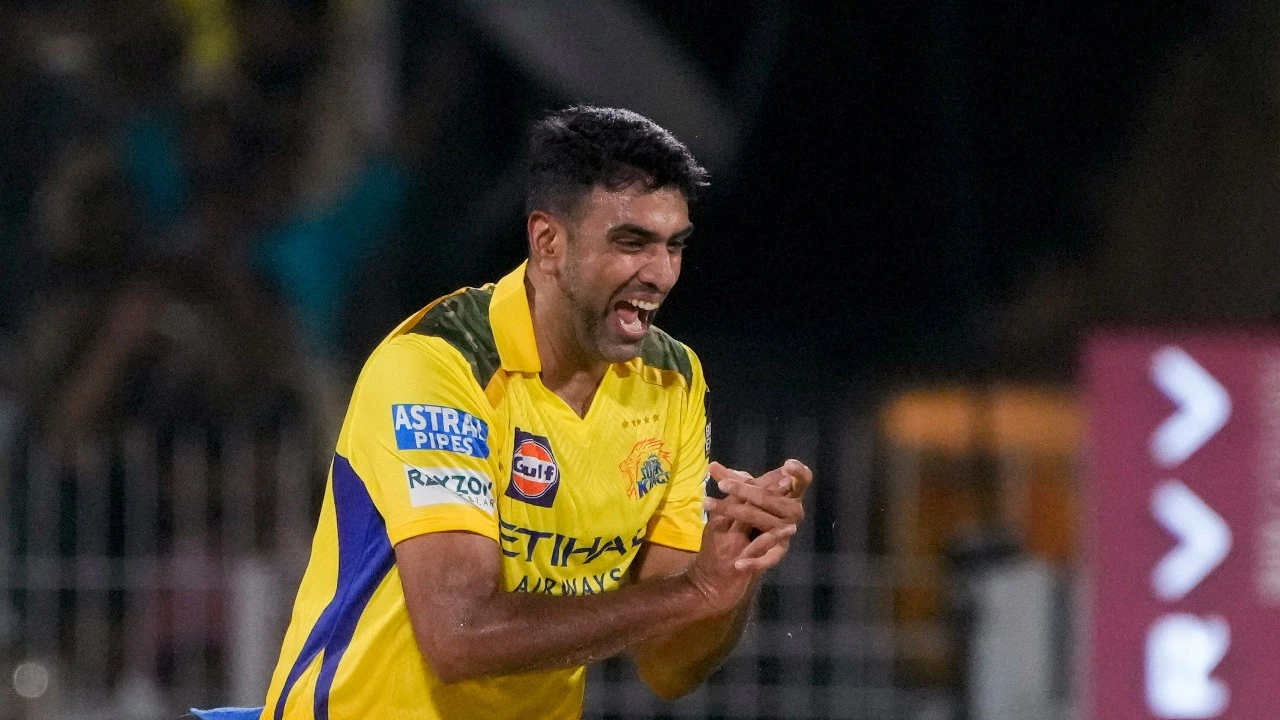
R Ashwin In the world of cricket, the physical and mental demands on players have always been immense. Over the years, we’ve seen the game evolve in many ways—from changes in equipment to the rise of T20 cricket, the introduction of technology in umpiring, and the increasing influence of data analysis. But one thing that has always remained constant is the pressure faced by players, especially bowlers. Recently, Ravichandran Ashwin, the talented off-spinner for Chennai Super Kings (CSK) and one of India’s most skilled cricketers, made a bold statement that has left many cricket fans and pundits questioning the future of the game.
Ashwin, known for his clever bowling, sharp cricketing mind, and extensive experience in international cricket, stated that in the near future, bowlers will need a psychologist. His comment came as a shock to many, as cricket has always been seen as a sport where players rely primarily on their physical fitness, skills, and tactical awareness. However, Ashwin’s remark sheds light on the growing mental health challenges faced by cricketers in today’s high-pressure environment.
In this blog, we will dive deep into Ashwin’s statement, the pressures bowlers face, the changing dynamics of modern-day cricket, and why mental health support for cricketers—especially bowlers—could soon become a necessity.
The Mental and Physical Toll on Bowlers
To fully understand the gravity of Ashwin’s statement, it is essential to first look at the unique pressures and challenges bowlers face in cricket.
1. Physical Strain and Overuse Injuries
Bowlers, particularly fast bowlers, have always been vulnerable to overuse injuries. The repetitive nature of bowling, combined with the high-intensity demands of international cricket, means that bowlers often find themselves under immense physical strain. Chronic injuries like stress fractures in the back, tendonitis, and shoulder problems are common among bowlers.
Even spinners, who may not bowl as fast as pacers, face their own set of physical challenges. Ashwin himself has been a testament to the importance of managing injuries over a long career. The act of bowling, especially for spinners, puts a lot of pressure on the fingers, wrist, and elbow, leading to wear and tear over time. In Ashwin’s case, his skills require precision and consistency, which only add to the mental and physical demands.
2. Mental Fatigue and Pressure
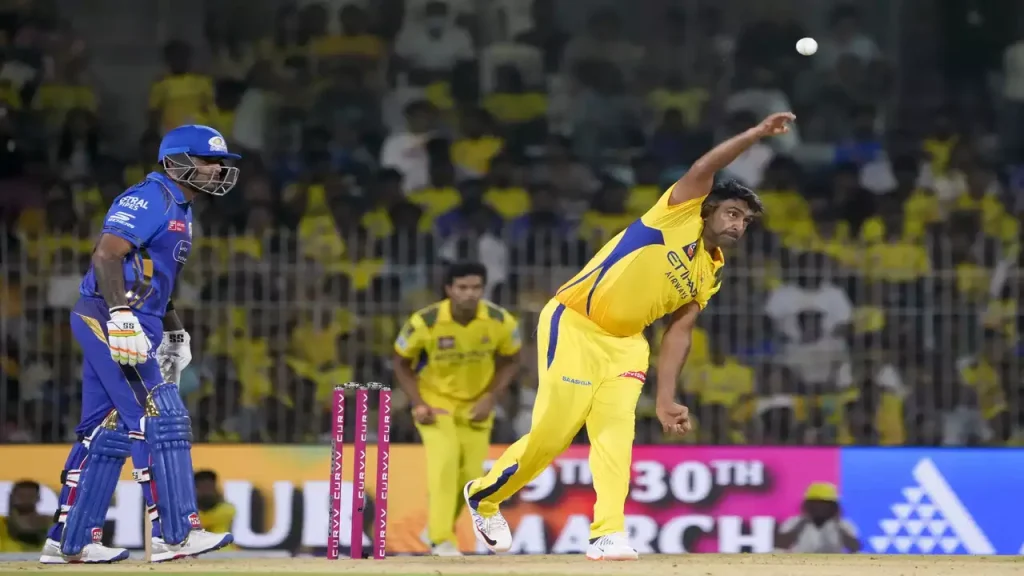
Cricket is a game of moments, and those moments can be nerve-wracking for bowlers. Whether it’s a spinner trying to outwit a top-order batsman or a pacer aiming for a key breakthrough, bowlers are constantly under pressure to deliver. This pressure only intensifies in limited-overs cricket, where a bowler may be expected to bowl at the death or in the middle overs, where their every delivery could determine the course of the match.
The mental toll on bowlers is significant. Unlike batsmen, who get multiple chances to settle in and build an innings, bowlers have to remain mentally sharp, focused, and ready to deliver their best with each ball they bowl. A single misstep, a dropped catch, or a poor over can lead to negative thoughts, self-doubt, and mental fatigue. In the age of social media, where every performance is scrutinized by fans and analysts alike, the mental pressure on bowlers has only grown.
3. Match-Winning Expectations
Bowlers are expected to be match-winners, and often, the difference between winning and losing a game comes down to a bowler’s performance. Ashwin, being one of the most successful bowlers in India’s modern era, knows this all too well. The expectation to perform every time, whether it’s delivering key wickets or containing runs, can be incredibly daunting.
A bowler’s mental resilience is tested when they are expected to deliver in crunch situations, often with the game hanging in the balance. From Ashwin’s perspective, the pressure on bowlers has only intensified with the advent of T20 leagues like the Indian Premier League (IPL). The short format places even more emphasis on performance, and bowlers are often the ones to shoulder the responsibility of winning tight matches.
The Growing Importance of Mental Health in Cricket
Ravichandran Ashwin’s comments are not just about the pressures faced by bowlers on the field. They reflect a growing awareness of mental health issues in cricket as a whole. In the past, mental health was largely ignored in sports. Athletes were expected to simply “tough it out,” and any sign of vulnerability was often seen as a weakness.
However, times have changed. Over the last decade, there has been a significant shift in the conversation surrounding mental health, not just in cricket, but across all sports. Players like Australian cricketer Glenn Maxwell and England’s Jonny Bairstow have spoken openly about their struggles with mental health. The COVID-19 pandemic further highlighted the importance of mental well-being, as players faced isolation, quarantine protocols, and the stress of playing in empty stadiums.
For bowlers, the mental pressure is particularly pronounced. The constant expectation to deliver can lead to burnout, depression, anxiety, and a lack of confidence. Ashwin’s suggestion that bowlers may soon require the assistance of psychologists is a reflection of this growing awareness.
1. Psychological Support: A New Normal?
In other sports, mental health support has long been a recognized necessity. In tennis, for example, many top players work with sports psychologists to help them cope with the mental challenges of the game. Even in football, where the demands on players are immense, mental health professionals are now an integral part of the team’s support staff.
In cricket, the concept of a psychologist on the team is still relatively new. While players like Ashwin have spoken about the importance of mental well-being, the idea of psychologists being integral to a team’s success is still evolving. However, this is likely to change in the coming years, especially with the intense pressures faced by modern-day cricketers.
The Psychological Challenges Faced by Bowlers
So, why are bowlers in particular the focus of Ashwin’s statement about psychologists? Let’s explore the psychological challenges that bowlers face:
1. The Pressure to Perform Consistently
Bowlers are under constant pressure to perform at the highest level. In formats like Test cricket, where the matches last for days, the mental toll can be significant. A bowler has to maintain concentration over long spells, and the pressure of executing their plans perfectly in every over is immense.
Even in limited-overs cricket, where the fast-paced nature of the game increases the stakes, bowlers often have to deal with the psychological pressure of delivering at crucial moments. Ashwin himself has spoken about how a bowler needs to be mentally strong to succeed in T20 cricket, where every delivery counts, and the batsman can easily turn the game with a few well-timed shots.
2. Dealing with Setbacks
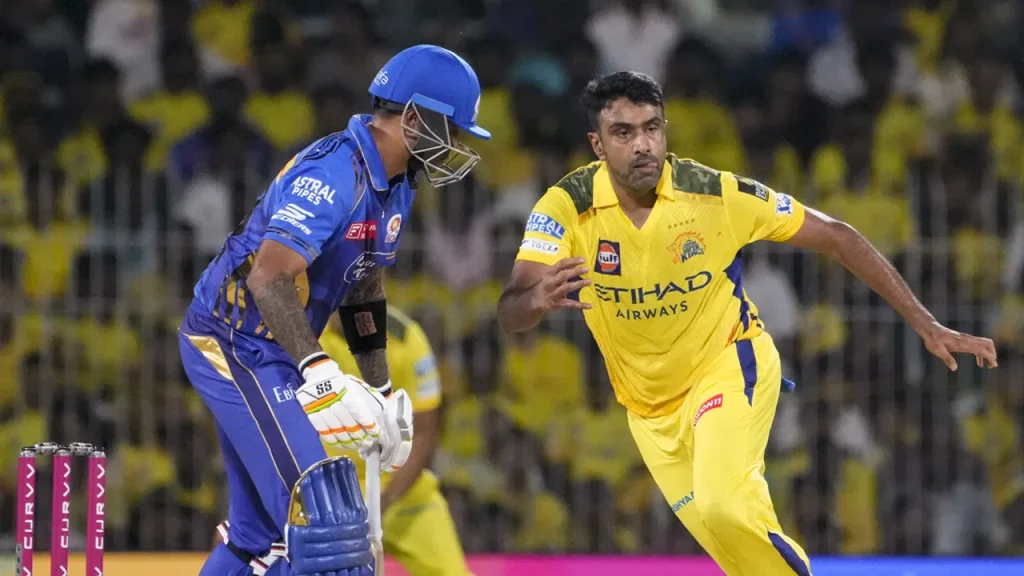
Cricketers, particularly bowlers, often have to deal with failure. For a bowler, conceding runs or failing to take wickets can be deeply disheartening. The mental resilience required to bounce back after a poor performance is something that many players struggle with. Some bowlers may internalize their mistakes and begin doubting their ability, while others may experience heightened stress and anxiety before going out to bowl.
Ashwin himself has experienced this. As one of the most successful Indian spinners in recent times, he knows the mental challenges of bouncing back after a poor performance, whether in a single match or over the course of a series.
3. Managing Expectations and Public Scrutiny
In the age of social media and 24/7 cricket coverage, players are constantly under the microscope. Fans, analysts, and critics are quick to voice their opinions, and this can be overwhelming for bowlers, who are sometimes seen as the “weak link” in a team when they are not performing at their best. For Ashwin and others in similar positions, the public scrutiny can add an extra layer of pressure, impacting their mental state.
The Role of Sports Psychologists in Cricket
Given the mental health challenges faced by bowlers, the need for psychologists in cricket seems more relevant than ever. Here are some of the ways a sports psychologist could help a bowler:
1. Building Mental Resilience
Sports psychologists help players develop the mental toughness required to cope with setbacks and pressures. They can provide strategies to manage stress, anxiety, and negative thoughts, helping bowlers bounce back after a bad performance or a tough match.
2. Improving Focus and Concentration
Bowling requires intense focus and concentration. A sports psychologist can help a bowler develop techniques to stay mentally sharp, especially during long spells of bowling or when they are under pressure to deliver in crucial moments.
3. Boosting Confidence
Confidence is key to a bowler’s success. A sports psychologist can work with bowlers to improve their self-esteem and belief in their abilities, which is essential when performing in high-pressure situations.
4. Helping Players Cope with External Pressure
Psychologists can also assist players in managing the external pressure of public expectations and media scrutiny. By helping bowlers develop strategies to cope with these pressures, psychologists can enable them to perform at their best, regardless of external factors.
Conclusion
Ravichandran Ashwin’s statement that bowlers may soon need a psychologist isn’t just a bold prediction; it’s a reflection of the changing nature of the game. Cricket, like many other sports, is evolving, and the mental health of players is becoming an integral part of the conversation. Bowlers, who face unique psychological challenges due to the pressures of performance, can benefit significantly from the expertise of sports psychologists.
As the demands of modern cricket increase, it is likely that mental health support will become a mainstream part of team management. Ashwin’s statement is a timely reminder of the importance of looking after the mental well-being of cricketers, especially bowlers, who face tremendous pressure both on and off the field.
In the years to come, we may see a growing trend of sports psychologists becoming an essential part of the support staff for teams, ensuring that players, particularly bowlers, have the mental tools they need to succeed at the highest level. After all, as Ashwin wisely pointed out, cricket is not just a game of physical skills—it’s a game of mental fortitude, and that requires a new approach to the way players are supported.
read more latest sport news