
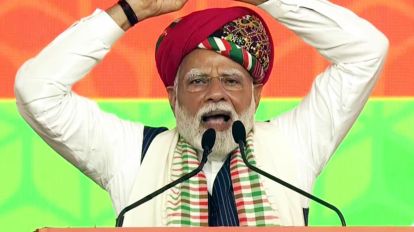
“Eat in Peace or Else We Have Bullets”: PM Modi’s Strong Message to Pakistan
Introduction
Pakistan message In the realm of geopolitics, few statements resonate as powerfully as those delivered in the face of adversity and conflict. On a significant public platform, Prime Minister Narendra Modi recently delivered one such thunderous message to Pakistan: “Eat in peace or else we have bullets.” This stark, no-nonsense warning reflects a strategic shift in India’s foreign policy doctrine—moving from patient diplomacy to proactive deterrence. This blog delves into the context, implications, and reactions surrounding PM Modi’s statement, analyzing its strategic depth and the ripple effect it has created across South Asia and beyond.
The Setting: When and Where the Statement Was Made
PM Modi made this strong remark during a public rally in the midst of a high-voltage election campaign, possibly intended not just for domestic audiences but for India’s hostile neighbor as well. While addressing the nation, he emphasized India’s commitment to peace but made it equally clear that any act of aggression from across the border would be met with uncompromising retaliation.
The phrase “Eat in peace” was metaphorically aimed at encouraging Pakistan to focus on internal stability, development, and the well-being of its citizens. But the follow-up—“or else we have bullets”—was a chilling reminder of India’s military prowess and willingness to use force if provoked.
Historical Backdrop: A Troubled Relationship
India and Pakistan have shared a tumultuous history since their partition in 1947. From four wars (1947, 1965, 1971, and 1999) to multiple skirmishes and proxy wars, especially in Kashmir, peace has remained elusive. While India has repeatedly extended olive branches, these have often been met with terror attacks, ceasefire violations, and cross-border infiltration sponsored by elements within Pakistan.
PM Modi’s statement doesn’t arise in a vacuum. It must be viewed through the lens of:
- The 2016 Uri Attack and India’s surgical strikes
- The Pulwama terror attack in 2019 and the subsequent Balakot airstrikes
- Ongoing ceasefire violations along the Line of Control (LoC)
- ISI-backed terrorism operating via non-state actors like Jaish-e-Mohammed and Lashkar-e-Taiba
Each of these incidents has hardened India’s stance, culminating in PM Modi’s recent declaration that peace comes with responsibilities—and consequences if violated.
The Philosophy Behind the Message: Peace Through Strength
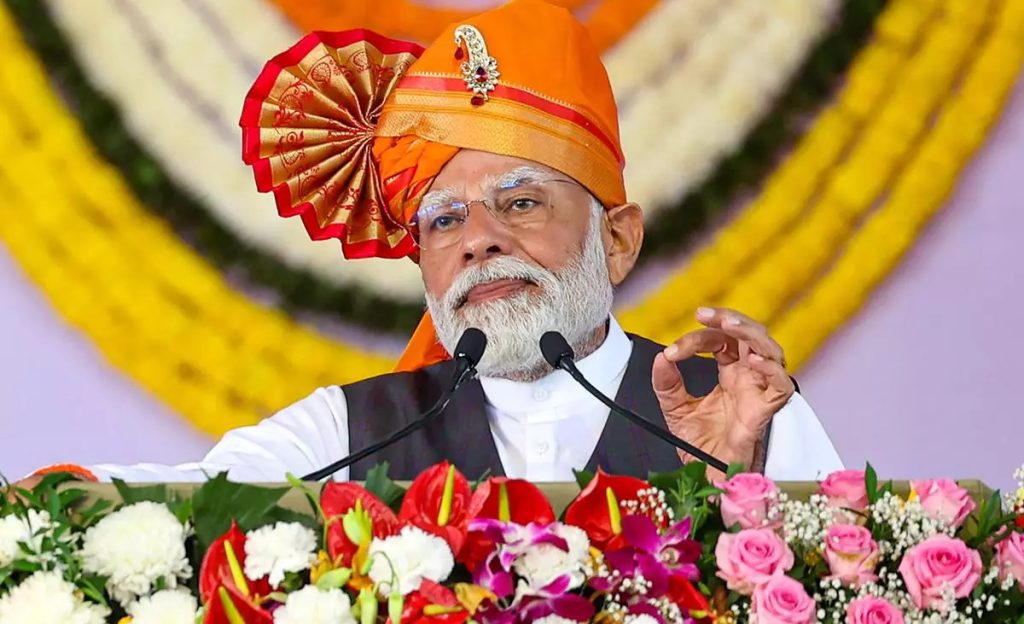
Modi’s statement reflects the age-old strategic philosophy of “Si vis pacem, para bellum“—if you want peace, prepare for war. Under his leadership, India’s defense doctrine has evolved significantly, characterized by:
- Preemptive strikes as a deterrence strategy
- Upgrading military infrastructure and preparedness
- Diplomatic isolation of Pakistan on international platforms
- Strengthening intelligence networks to thwart terror plots
- Enhanced coordination between military and civilian leadership
This is not mere rhetoric. India under Modi has demonstrated that it no longer follows a reactive strategy, but a proactive and punitive approach. The statement is part of this evolving doctrine—where peace is offered, but with the caveat that any aggression will invite retribution.
Domestic Reception: Nationalism Meets Security
The domestic response to PM Modi’s message has largely been one of approval and pride. National security remains one of the top issues for Indian voters, and Modi’s tough stance resonates deeply with the electorate, especially in light of past terror attacks.
Key reactions include:
- Veterans and military analysts praised the clarity of the message
- Citizens and netizens applauded Modi’s nationalistic fervor on social media
- Opposition parties, while critiquing the timing, found it difficult to challenge the essence of the statement
The line served its dual purpose: sending a stern signal to adversaries and reinforcing Modi’s image as a decisive leader who places India’s security above all else.
International Response: Watching with Caution
Global powers like the United States, Russia, and members of the European Union have historically urged both India and Pakistan to exercise restraint. However, the evolving global view toward terrorism—especially after 9/11—has increasingly aligned with India’s perspective.
- The U.S. has acknowledged India’s right to self-defense, especially in the wake of Pulwama
- France and Israel have supported India’s counter-terror operations
- The FATF (Financial Action Task Force) continues to keep Pakistan under scrutiny for its support of terror financing
Modi’s message was subtle yet clear to the global community: India seeks peace, but it won’t tolerate being a passive victim. This aligns with the new India image the PM often speaks of—resilient, assertive, and unwilling to be bullied.
Message to Pakistan: Time for Introspection
For Pakistan, Modi’s statement is both a warning and an opportunity. A warning that the days of impunity are over, and an opportunity to pivot toward internal development and regional peace.
However, Pakistan’s deep state, led by the powerful military and ISI, thrives on the India bogeyman narrative to justify its dominance in domestic politics. Yet, with economic collapse looming, skyrocketing inflation, and diminishing global sympathy, Pakistan must reassess its priorities.
PM Modi’s message boils down to a simple choice for Pakistan:
Feed your people, or continue to feed terror and face consequences.
Strategic and Military Implications
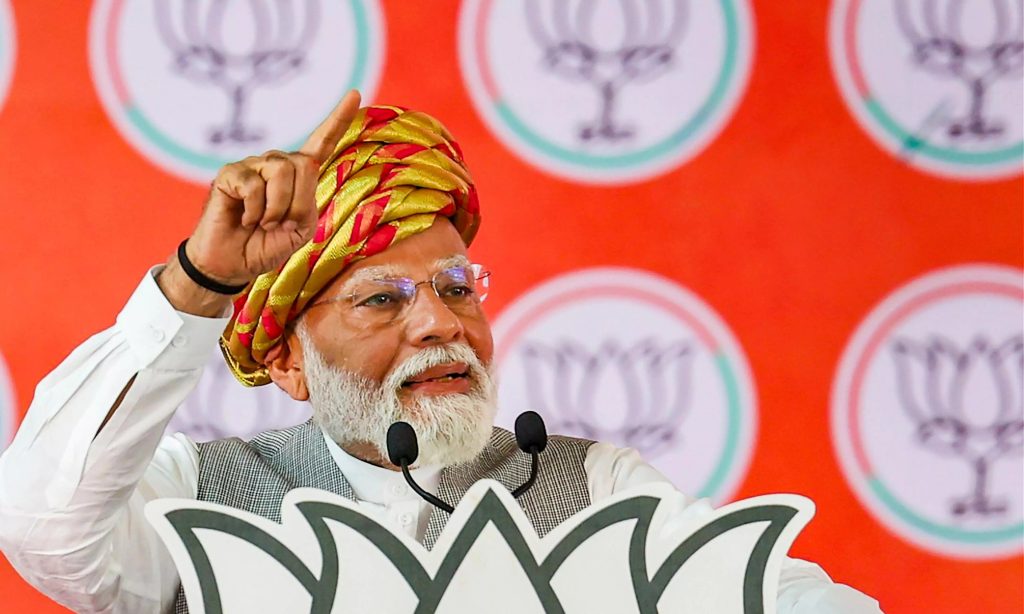
From a military strategy standpoint, Modi’s words aren’t empty threats. India has taken concrete steps in recent years to buttress its capabilities:
- Increased defense spending
- Acquisition of Rafale jets, Apache helicopters, and S-400 air defense systems
- Development of border infrastructure
- Strengthening of cyber warfare units
- Enhanced maritime dominance in the Indian Ocean
The statement signals that India is not only ready for conventional warfare but is also prepared across multiple fronts—be it hybrid warfare, cyber attacks, or nuclear deterrence.
A Look at Doctrine Shifts
India’s security doctrine has witnessed a marked shift from “Strategic Restraint” to “Offensive-Defense” under Modi. The Balakot airstrikes marked a turning point where, for the first time since 1971, Indian jets crossed into Pakistani airspace in response to a terror attack.
This doctrinal evolution is now enshrined in PM Modi’s speeches, policy shifts, and military reforms. His “Eat in peace or bullets” statement is an extension of this new strategic thinking—where India no longer waits to absorb the first blow.
Role of Media and Public Opinion
Media outlets in India widely covered the statement, with prime-time debates dissecting its meaning, potential impact, and strategic undertones. While some commentators viewed it as election-driven rhetoric, others recognized its alignment with long-term policy shifts.
Social media amplified the message significantly:
- Hashtags like #ModiWarningToPakistan and #NewIndiaDoctrine trended
- Memes, videos, and patriotic posts flooded platforms like Twitter and Instagram
- Public discourse overwhelmingly supported a strong stance against terrorism
This public mood reinforces the mandate Modi carries on national security and justifies his assertive posture.
Challenges and Responsibilities
While assertiveness is necessary, it comes with its set of challenges:
- Avoiding unintended escalation in a nuclear neighborhood
- Maintaining global diplomatic balance while dealing with Pakistan
- Ensuring intelligence accuracy before conducting retaliatory strikes
- Keeping internal civil liberties intact amidst high-voltage nationalism
Modi’s leadership is tasked with walking a tightrope—deterring aggression without plunging the subcontinent into chaos. His administration must continue to blend strength with strategic maturity.
What Lies Ahead?
PM Modi’s message is not just about today; it’s about shaping future deterrence. As India rises economically and militarily, it demands a neighborhood free of instability and terror.
Going forward, India is likely to:
- Push harder for Pakistan’s international isolation
- Continue investments in defense technology and infrastructure
- Forge deeper strategic ties with Quad nations, Israel, and France
- Adopt AI-driven military intelligence for swift counter-terrorism actions
- Use soft power—through culture, economy, and diplomacy—to supplement hard power
Conclusion
“Eat in peace or else we have bullets” is more than a soundbite. It encapsulates the frustration of a nation that has borne the brunt of cross-border terrorism for decades, and the resolve of a leader who refuses to let history repeat itself.
PM Modi’s message to Pakistan is clear: The path to peace is open, but not at the cost of India’s dignity or security. In a world increasingly defined by decisive leadership and firm policies, India under Modi is asserting itself as a force to be reckoned with—not just in South Asia, but on the global stage.


https://shorturl.fm/9fnIC
https://shorturl.fm/YvSxU
https://shorturl.fm/FIJkD
https://shorturl.fm/FIJkD
https://shorturl.fm/a0B2m
https://shorturl.fm/j3kEj