
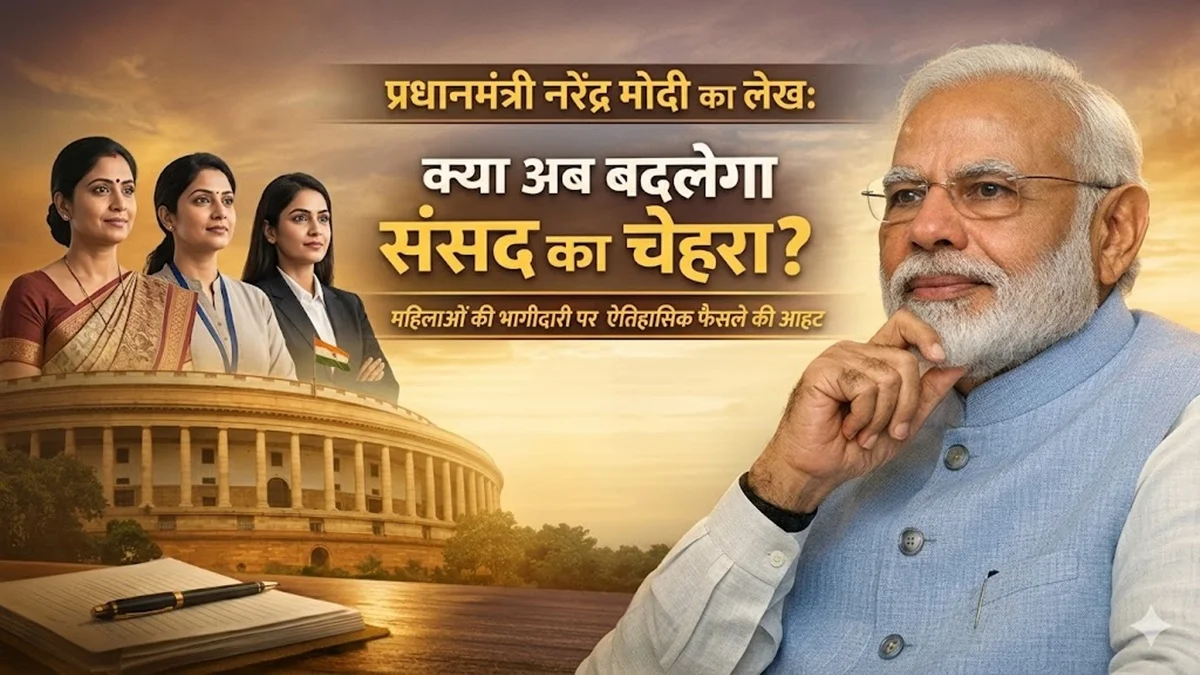
A Historic Step Toward Gender Equality: Women’s Reservation in Parliament
Introduction
India, the world’s largest democracy, has long prided itself on its commitment to equality and inclusive governance. Yet, despite significant progress in many areas, women have remained underrepresented in legislative bodies. In a landmark move, the central government has initiated the process of implementing a 33 percent reservation for women in Parliament and state legislative assemblies. This transformative step involves constitutional amendments and delimitation based on the latest population data, with the reservation set to remain in effect for 15 years and operate through a rotation system.
This initiative is poised to reshape the political landscape and significantly enhance the participation of women in Parliament, ensuring that governance becomes more inclusive, representative, and equitable.
Historical Background of Women Representation in India
Since independence, India has witnessed the rise of several influential women leaders, including Indira Gandhi, the country’s first and only woman Prime Minister, and numerous women who have excelled in public life. However, their presence has not translated into proportional representation in legislative bodies.
Women constitute nearly half of India’s population, yet their representation in the Lok Sabha has historically remained low. Even in recent years, women account for only around 14–15 percent of Members of Parliament. This disparity underscores the urgent need to enhance the participation of women in Parliament through structural reforms.
The Journey Toward Women Reservation
Early Attempts
The idea of reserving seats for women in legislatures dates back to the 1990s. The Women’s Reservation Bill was first introduced in 1996, proposing a 33 percent quota for women in the Lok Sabha and state assemblies. Despite widespread support, the bill faced political resistance and lapsed multiple times.
Renewed Momentum
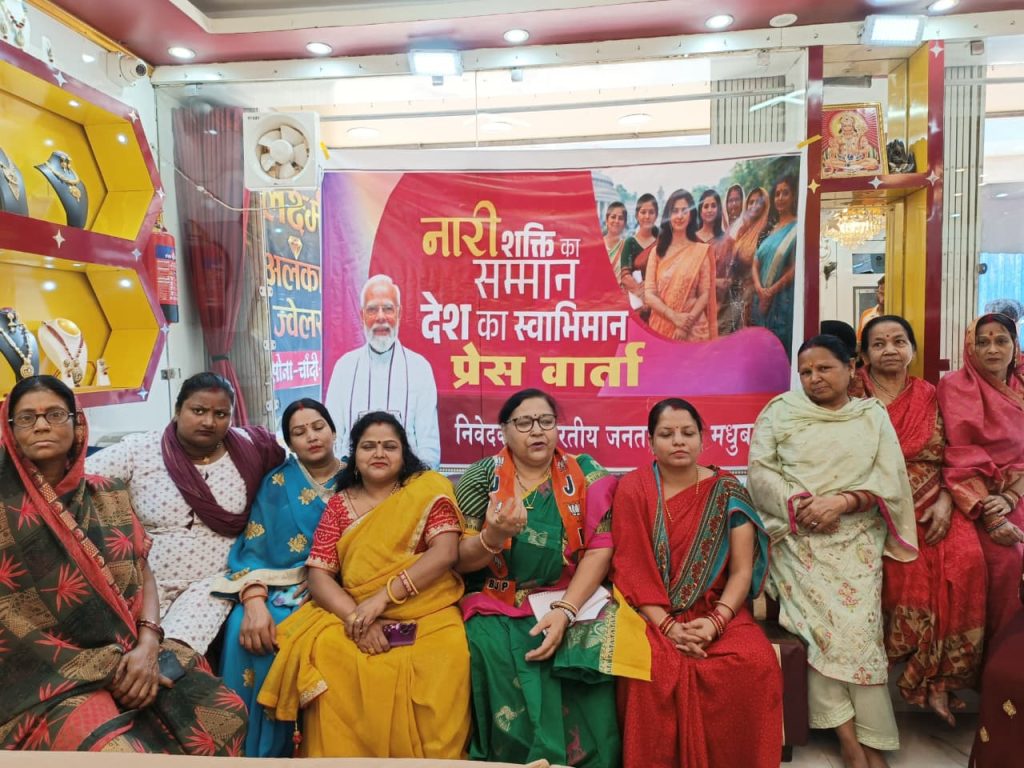
The recent initiative by the central government represents a decisive step toward fulfilling this long-standing demand. By initiating the constitutional amendment and delimitation processes, the government aims to institutionalize the participation of women in Parliament and ensure that gender equality becomes an integral part of India’s democratic framework.
Key Features of the New Proposal
1. Constitutional Amendment
The implementation of women’s reservation requires amendments to the Constitution to legally mandate the allocation of 33 percent of seats for women. This ensures that the policy is not merely symbolic but has a firm legal foundation, paving the way for sustained participation of women in Parliament.
2. Delimitation Based on Current Population
A crucial aspect of the proposal is the redrawing of parliamentary and assembly constituencies based on the latest population data. Delimitation ensures equitable representation and aligns the reservation policy with demographic realities, thereby enhancing the effectiveness of the participation of women in Parliament.
3. Reservation for 15 Years
The reservation is proposed to remain in effect for 15 years. This time-bound approach is designed to provide a stable environment for women to establish themselves in politics while allowing future governments to reassess the policy’s impact on the participation of women in Parliament.
4. Rotation System
The rotation of reserved constituencies ensures that the benefits of reservation are distributed across different regions and communities. This mechanism prevents the concentration of opportunities in specific areas and broadens the scope of the participation of women in Parliament.
5. Inclusion of SC/ST Women
The proposal also includes provisions for reserving seats for women belonging to Scheduled Castes (SC) and Scheduled Tribes (ST) within the existing quotas. This intersectional approach strengthens social justice and promotes inclusive participation of women in Parliament.
Significance of Women Reservation
1. Strengthening Democracy
A representative democracy must reflect the diversity of its population. Increasing the participation of women in Parliament ensures that legislative bodies mirror societal demographics, thereby enhancing the legitimacy and effectiveness of governance.
2. Gender-Sensitive Policymaking
Women legislators often bring unique perspectives to policymaking, particularly on issues such as healthcare, education, child welfare, and gender-based violence. Enhanced participation of women in Parliament can lead to more inclusive and responsive policies.
3. Empowerment and Social Change
Political representation serves as a powerful tool for empowerment. When women occupy positions of authority, it challenges societal stereotypes and inspires future generations, further strengthening the participation of women in Parliament.
4. Economic Development
Research indicates that gender equality in political representation contributes to economic growth. By promoting the participation of women in Parliament, India can harness the full potential of its human capital and foster sustainable development.

Global Perspective on Women’s Representation
Many countries have successfully implemented gender quotas to enhance women’s political participation. Nations such as Rwanda, Sweden, and Mexico have achieved significant milestones in this regard. Rwanda, for instance, boasts one of the highest percentages of women in parliament globally.
India’s initiative aligns with global best practices and demonstrates its commitment to advancing the participation of women in Parliament, reinforcing its position as a progressive democracy.
Impact of Women’s Reservation at the Grassroots Level
India’s experience with reservations for women in Panchayati Raj Institutions provides valuable insights. The 73rd and 74th Constitutional Amendments mandated a 33 percent reservation for women in local governance, leading to a dramatic increase in female political participation.
Studies have shown that women leaders at the grassroots level have improved service delivery, enhanced transparency, and prioritized community welfare. These successes highlight the transformative potential of expanding the participation of women in Parliament.
Challenges and Criticisms
1. Delimitation Delays
One of the primary challenges is the timely completion of the delimitation process. Any delays could postpone the implementation of the reservation, affecting the anticipated participation of women in Parliament.
2. Tokenism and Proxy Representation
Critics argue that reservation may lead to tokenism or proxy representation, where women representatives are influenced by male family members. Addressing this concern requires capacity-building initiatives to ensure meaningful participation of women in Parliament.
3. Rotation System Concerns
While the rotation system promotes equitable distribution, it may discourage long-term constituency development. Policymakers must carefully design the system to sustain effective participation of women in Parliament.
4. Need for Political Party Support
Reservation alone is insufficient without active support from political parties. Parties must provide training, resources, and leadership opportunities to strengthen the participation of women in Parliament.
Societal and Cultural Implications
Breaking Gender Stereotypes
The increased visibility of women in leadership roles challenges traditional gender norms and fosters a culture of equality. This societal transformation is closely linked to the enhanced participation of women in Parliament.
Inspiring Future Generations
Representation matters. When young girls see women in positions of power, it broadens their aspirations and encourages them to pursue careers in public service, thereby sustaining the participation of women in Parliament.
Promoting Inclusive Governance
Women leaders often prioritize inclusive development, addressing the needs of marginalized communities. Their presence strengthens the democratic fabric and amplifies the participation of women in Parliament.
Role of Education and Capacity Building
To maximize the benefits of reservation, it is essential to invest in education and leadership training for aspiring women politicians. Programs focusing on political literacy, governance, and public speaking can enhance the effectiveness of the participation of women in Parliament.
Civil society organizations, academic institutions, and government agencies must collaborate to create supportive ecosystems that nurture women’s leadership.
Economic and Developmental Benefits
Improved Policy Outcomes
Evidence suggests that women legislators are more likely to prioritize social welfare and community development. Enhanced participation of women in Parliament can lead to better policy outcomes in sectors such as health, education, and social security.
Boost to Gender Equality
Political empowerment is a cornerstone of gender equality. By institutionalizing the participation of women in Parliament, India can make significant strides toward achieving the Sustainable Development Goals (SDGs), particularly Goal 5: Gender Equality.
Enhanced Governance
Diverse leadership fosters innovation and balanced decision-making. The increased participation of women in Parliament can strengthen governance and promote transparency and accountability.
Comparative Analysis with Other Democracies
Countries that have implemented gender quotas have witnessed substantial improvements in women’s representation. For instance:
- Rwanda: Over 60 percent women in parliament.
- Sweden: Strong party-based gender quotas.
- Mexico: Constitutional gender parity in legislatures.
India’s initiative to enhance the participation of women in Parliament reflects a global trend toward inclusive governance and positions the country as a leader in gender equality.
The Way Forward
Timely Implementation
Ensuring the swift completion of constitutional amendments and delimitation is crucial for realizing the benefits of the reservation policy and strengthening the participation of women in Parliament.
Political Will and Consensus
Sustained political commitment and bipartisan support are essential for the successful implementation of the initiative.
Capacity Building and Mentorship
Training programs and mentorship opportunities can empower women representatives and enhance their effectiveness in legislative roles.
Public Awareness
Raising awareness about the importance of women’s political representation can foster societal support and encourage greater participation of women in Parliament.
Conclusion
The central government’s initiative to implement a 33 percent reservation for women in Parliament and state legislative assemblies marks a historic milestone in India’s democratic journey. By initiating the processes of constitutional amendment and delimitation, the government has laid the foundation for a more inclusive and representative political system.
The reservation, set to remain in effect for 15 years and supported by a rotation mechanism, promises to transform the political landscape and empower women across the nation. While challenges remain, the potential benefits far outweigh the obstacles.
Ultimately, this landmark reform is not merely about numbers; it is about ensuring that women have a meaningful voice in shaping the nation’s future. By strengthening the participation of women in Parliament, India can move closer to realizing its constitutional vision of equality, justice, and inclusive development.
As the nation embarks on this transformative journey, the enhanced participation of women in Parliament will serve as a beacon of progress, inspiring generations and reinforcing the foundations of democracy.
Read More latest News

