

Pakistan Introduces New Law on Child Marriage: A Step Toward Social Reform
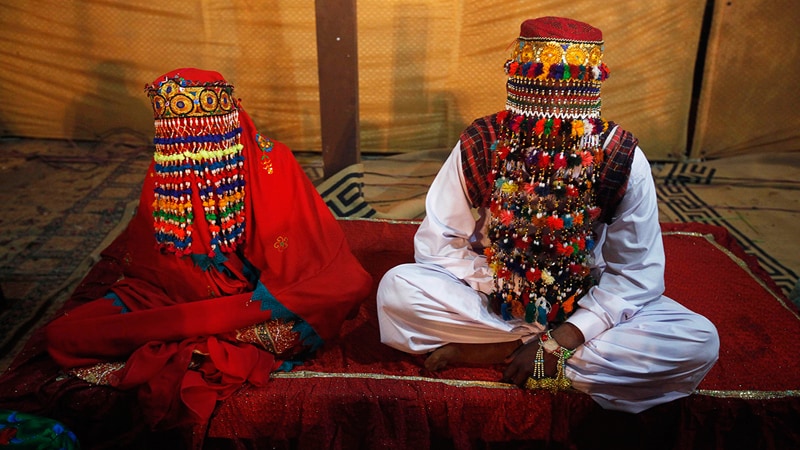
In a historic and much-needed move, Pakistan has introduced a new law aimed at curbing child marriage, a long-standing and deeply entrenched issue within its society. This legislation, which has sparked both widespread praise and intense debate, marks a critical turning point in Pakistan’s journey toward gender equality, child rights protection, and social modernization. While the law’s implementation will undoubtedly face challenges, its passage alone is a significant symbol of progress.
Historical Context of Child Marriage in Pakistan
Child marriage has been a prevalent issue in Pakistan for decades, particularly in rural and conservative regions. Influenced by socio-cultural traditions, poverty, and a lack of education, child marriage is often seen as a way to ensure social security or reduce economic burden. According to UNICEF, Pakistan has one of the highest rates of child marriage in South Asia, with an estimated 21% of girls married before the age of 18 and 3% before 15.
The practice disproportionately affects girls, leading to early pregnancies, loss of educational opportunities, and exposure to domestic violence. Despite the Child Marriage Restraint Act of 1929, which set the minimum age of marriage for girls at 16 and boys at 18, enforcement was weak and inconsistent. The new law is designed to strengthen these provisions and bring them in line with international human rights standards.
Key Provisions of the New Law
The new legislation raises the legal minimum age of marriage for girls from 16 to 18, bringing it on par with international norms and aligning with the legal age for boys. This change eliminates a long-standing gender discrepancy in the law.
Other key features of the law include:
- Stricter Penalties: Individuals found guilty of officiating, facilitating, or participating in child marriages will face harsh penalties, including imprisonment and significant fines.
- Accountability Mechanisms: Law enforcement and judicial officers are mandated to take immediate action upon receiving complaints or reports of child marriage.
- Protection and Rehabilitation: Victims of child marriage will have access to legal aid, psychological counseling, and educational opportunities through government-supported programs.
- Community Outreach Programs: The law mandates awareness campaigns in schools, communities, and religious institutions to inform the public about the harms of child marriage and the legal consequences.
Reaction from Civil Society and Human Rights Organizations
Human rights organizations, women’s advocacy groups, and international bodies have largely welcomed the new law. They see it as a major step toward protecting children and upholding the rights of girls in Pakistan.
Malala Yousafzai, the Nobel laureate and global advocate for girls’ education, tweeted: “Raising the legal age of marriage to 18 is a win for every girl in Pakistan. Now we must ensure the law is enforced and communities are educated.”
Local NGOs such as Aurat Foundation and Shirkat Gah have praised the move but also emphasized the importance of enforcement. “A law is only as effective as its implementation,” said a spokesperson from the Aurat Foundation.
Religious and Political Opposition
Despite the law’s apparent benefits, it has not been without controversy. Several religious political parties and clerics have opposed the legislation, arguing that it contradicts Islamic teachings and traditional practices. They claim that Islamic law permits marriage upon attaining puberty, and therefore any age restriction imposed by the state is illegitimate.
However, progressive Islamic scholars and jurists have countered these arguments, emphasizing that Islam places a strong emphasis on consent, well-being, and maturity. They argue that setting a legal age for marriage does not contradict Islamic principles but rather ensures the protection and dignity of young individuals.
Challenges in Implementation
Passing a law is one thing; implementing it effectively is quite another. There are several hurdles that the Pakistani government must overcome:
- Lack of Awareness: In many rural areas, people are unaware of the new law or the negative consequences of child marriage.
- Cultural Resistance: Deep-rooted traditions often take precedence over legal requirements.
- Corruption and Inefficiency: Local law enforcement agencies may lack the training, resources, or motivation to enforce the law.
- Weak Judicial System: Court cases related to child marriage often drag on, discouraging victims and their families from seeking justice.
To counter these challenges, the government must invest in education, awareness campaigns, and training programs for police and judiciary officials.
The Role of Education and Media
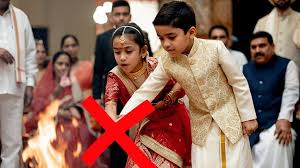
Education plays a vital role in ending child marriage. Studies show that girls who complete secondary education are six times less likely to marry as children. Therefore, the new law should be accompanied by strong policies that promote female education.
Media, too, has a powerful role to play. Television shows, radio programs, and social media campaigns can help shift public opinion. Already, influential Pakistani celebrities and media personalities have begun endorsing the law, calling it a step toward a progressive and just society.
Case Studies and Real-Life Impact
Several case studies highlight the real-life impact of child marriage and why the new law is so crucial:
- Nazia’s Story (Sindh): Married at 14, Nazia faced complications during childbirth and lost her baby. She dropped out of school and faced repeated domestic abuse. Her case became a rallying point for activists pushing for legal reform.
- Ayesha’s Story (Punjab): Rescued just before her marriage at age 13, Ayesha was enrolled in a shelter and later rejoined school. She is now an advocate against child marriage in her village.
These stories underscore the human cost of child marriage and the urgent need for legal and social interventions.
International Comparison
With this law, Pakistan joins a growing list of countries that have raised the minimum marriage age to 18. Countries like Bangladesh and India have also made similar moves, although challenges in enforcement remain.
The United Nations and organizations like Human Rights Watch have consistently urged governments to eliminate child marriage as part of the Sustainable Development Goals (SDGs). Pakistan’s new law contributes to SDG Goal 5: Achieve gender equality and empower all women and girls.
Conclusion
Pakistan’s new law on child marriage is a landmark moment in its legal and social history. While challenges remain, the legislation is a bold assertion of the country’s commitment to protecting its children, especially girls, from harmful traditional practices. The real work now begins in terms of enforcement, education, and changing social norms.
In a nation where change is often slow and contested, this law signals hope. It reflects the voices of countless girls, activists, and progressive lawmakers who believe in a better, safer, and more just Pakistan. With continued effort and societal support, the law could be a catalyst for transformative change.


https://shorturl.fm/VeYJe
https://shorturl.fm/Kp34g