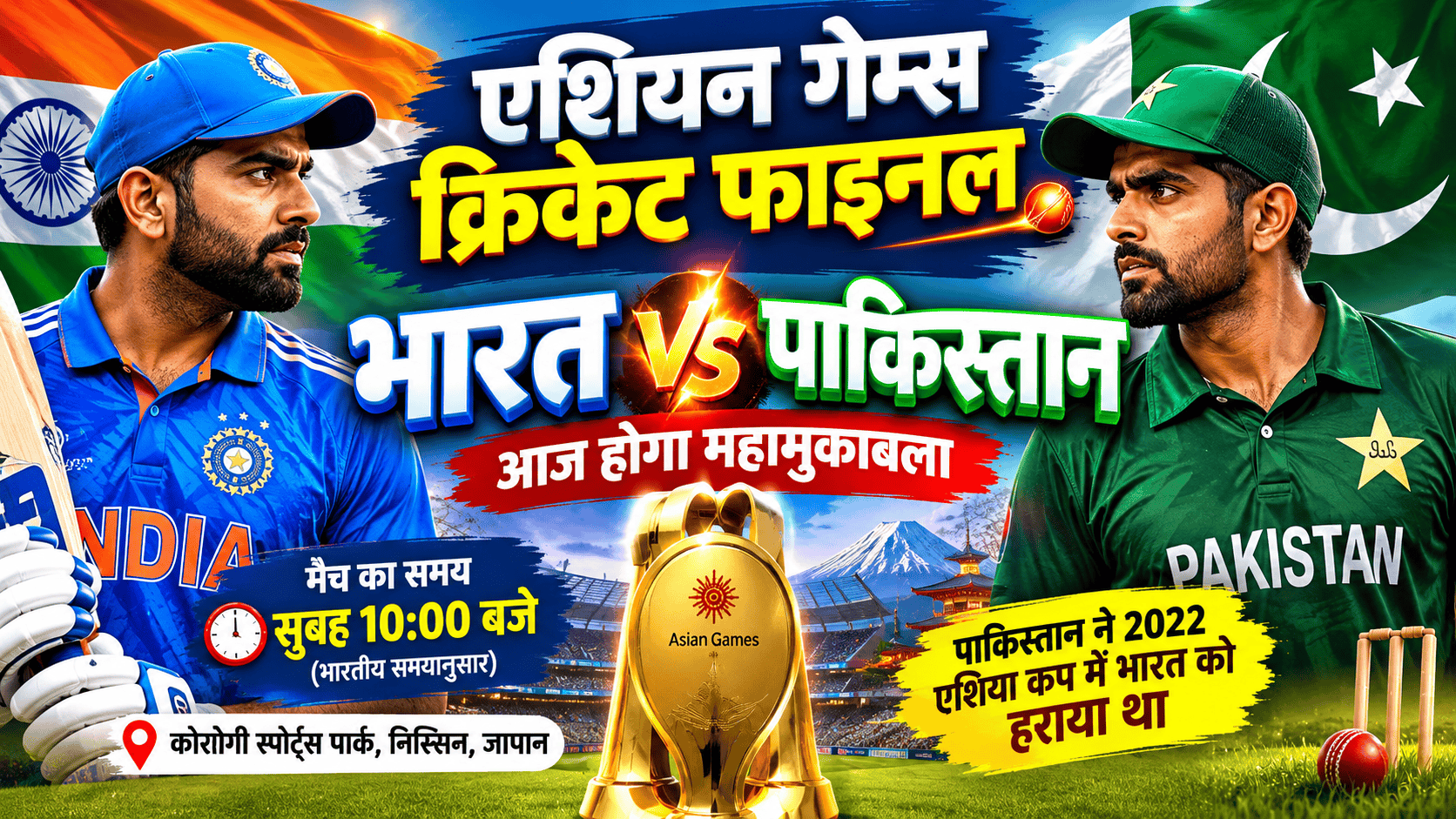
Pakistan Boycott T20 World Cup Match: Practical Questions Overshadow Political Messaging
The announcement surrounding the Pakistan boycott T20 World Cup match against India has triggered intense debate across the global cricketing community. While the decision has been framed by some as a political stance, many former players, analysts, and administrators believe the move raises far more practical questions than it delivers any meaningful political message. Cricket, especially at the level of the T20 World Cup, is not just a sport—it is a global business, a cultural bridge, and a high-stakes tournament governed by international rules rather than bilateral politics.
As reactions poured in, respected veterans such as Kevin Pietersen and Ravichandran Ashwin openly questioned the feasibility, fairness, and consequences of a selective boycott. Their comments reflected a broader concern: does the Pakistan boycott T20 World Cup match achieve anything tangible, or does it risk isolating Pakistan cricket further on the world stage?
Background of the Controversy
The India-Pakistan rivalry is one of the most intense and emotionally charged contests in world sport. Matches between the two nations draw hundreds of millions of viewers, generate massive advertising revenue, and often overshadow the rest of the tournament. Against this backdrop, the idea of a Pakistan boycott T20 World Cup match immediately drew attention.
Supporters of the move argue that cricket cannot be separated from political realities. Critics counter that international tournaments like the T20 World Cup are governed by the ICC, not individual boards, and participation is part of a collective agreement signed by all member nations. This makes the Pakistan boycott T20 World Cup match not just a symbolic gesture, but a logistical and contractual dilemma.
What Kevin Pietersen Said
Former England captain Kevin Pietersen did not mince words. Speaking on a cricket panel discussion, he questioned how a selective boycott could realistically work.
According to Pietersen, if one team refuses to play a marquee fixture, it sets a dangerous precedent. “You cannot pick and choose which World Cup matches you want to play,” he argued. His remarks directly challenged the logic behind the Pakistan boycott T20 World Cup match, suggesting that such a move undermines the integrity of the tournament.

Pietersen also highlighted the impact on fans. Millions of supporters across the world wait years to watch India vs Pakistan in a World Cup. Denying them that contest, he said, punishes fans rather than delivering a clear political message.
Ashwin’s Practical Perspective
Indian off-spinner Ravichandran Ashwin approached the issue from a more pragmatic angle. Without engaging in political rhetoric, Ashwin focused on tournament structure and fairness.
Ashwin pointed out that World Cups are built around fixed groups, points tables, and net run rates. A Pakistan boycott T20 World Cup match could distort the competitive balance of the group, giving unintended advantages or disadvantages to other teams.
He also raised a crucial question: if one team boycotts a match, who bears the consequences? Is it the ICC, the opposing team, or the tournament as a whole? In Ashwin’s view, the fallout of a Pakistan boycott T20 World Cup match would be felt across the competition, not just by the two nations involved.
ICC Rules and Tournament Obligations
The ICC operates under strict regulations. When a team qualifies for a World Cup, it agrees to play all scheduled matches unless extraordinary circumstances—such as security threats—prevent participation. Political disagreements are not typically accepted as valid grounds for withdrawal.
This is why the Pakistan boycott T20 World Cup match has raised alarms within cricket administration circles. A refusal to play could invite sanctions, including fines, points forfeiture, or even suspension from future ICC events.
Experts argue that while boards may express political concerns diplomatically, a full-scale Pakistan boycott T20 World Cup match places Pakistan Cricket Board (PCB) in a legally vulnerable position.

Financial Implications of the Boycott
The India-Pakistan clash is the financial backbone of any ICC tournament. Broadcast rights, sponsorship deals, and advertising rates are often calculated with this match in mind.
A Pakistan boycott T20 World Cup match could result in significant revenue losses—not just for the ICC, but for all participating boards, including Pakistan itself. Revenue from ICC tournaments is distributed among member nations, meaning Pakistan could indirectly hurt its own financial standing.
Former administrators have warned that the PCB, already facing financial pressures, may find it difficult to absorb the losses linked to a Pakistan boycott T20 World Cup match.
Impact on Players
One of the most overlooked aspects of the debate is the players themselves. For many cricketers, a World Cup match against India represents the pinnacle of their careers.
A Pakistan boycott T20 World Cup match would deny Pakistani players the opportunity to perform on the biggest stage against their fiercest rivals. Former players have questioned whether it is fair to ask athletes to sacrifice career-defining moments for a decision they had no role in shaping.
Additionally, players could face mental and emotional stress due to the uncertainty created by a potential Pakistan boycott T20 World Cup match.
Fan Reactions Across the World
Cricket fans across South Asia and beyond have reacted strongly to the possibility of a boycott. Social media platforms were flooded with mixed opinions—some supporting the stance, others criticizing it as counterproductive.
Many fans argued that cricket has historically served as a bridge during tense political periods. They believe a Pakistan boycott T20 World Cup match undermines the sport’s unifying power.
Interestingly, several Pakistani fans also expressed disappointment, stating that they look forward to India-Pakistan matches regardless of political circumstances.
Selective Boycott: A Slippery Slope?
One of the strongest arguments against the Pakistan boycott T20 World Cup match is the idea of selectivity. If one match can be boycotted for political reasons, what stops other teams from doing the same in future tournaments?
Veterans warn that selective boycotts could fragment international cricket. Today it may be a Pakistan boycott T20 World Cup match; tomorrow, another nation might refuse to play a different opponent. Such a trend could severely damage the credibility of global tournaments.
Historical Precedents
Cricket history does include instances of boycotts, particularly during the apartheid era in South Africa. However, those were collective, long-term decisions supported by multiple nations.
In contrast, the Pakistan boycott T20 World Cup match appears to be a unilateral move within a multilateral tournament framework. Analysts argue that this distinction is crucial and makes the current situation far more complex.
Media and Expert Opinions
Most cricket analysts agree that the Pakistan boycott T20 World Cup match sends a confusing message. While political expression is important, experts believe that global sporting events are not the most effective platforms for unilateral protest.
Several commentators echoed Pietersen’s and Ashwin’s views, emphasizing that the real victims of a Pakistan boycott T20 World Cup match would be players, fans, and the sport itself.
PCB’s Dilemma
The Pakistan Cricket Board finds itself in a difficult position. On one hand, it faces domestic pressure to take a strong stance. On the other, it must consider international obligations, financial consequences, and long-term cricketing interests.
Officials are reportedly exploring diplomatic channels to avoid a full Pakistan boycott T20 World Cup match, aware that the costs may outweigh the perceived benefits.
India’s Official Silence
The BCCI has largely maintained silence on the issue, choosing not to escalate tensions. Sources suggest that Indian officials view the Pakistan boycott T20 World Cup match as a matter for the ICC to resolve.
This silence further underscores the imbalance created by a unilateral boycott, reinforcing critics’ claims that the move lacks practical effectiveness.
Does the Boycott Achieve Its Goal?
At the heart of the debate lies a simple question: what does the Pakistan boycott T20 World Cup match actually achieve?
So far, the discussion has revolved more around logistics, penalties, and revenue losses than around the political message itself. This supports the argument that the boycott has generated more complications than clarity.
The Bigger Picture for World Cricket
World cricket is already grappling with challenges such as scheduling overload, financial inequality, and declining interest in longer formats. Introducing uncertainty through actions like a Pakistan boycott T20 World Cup match adds another layer of instability.

Former players argue that cricket administrators should prioritize dialogue and diplomacy over symbolic gestures that risk harming the sport’s global structure.
Final Thoughts
The Pakistan boycott T20 World Cup match has undoubtedly sparked conversation, but it has also exposed the limits of using sport as a selective political tool. Voices like Kevin Pietersen and Ravichandran Ashwin have shifted the focus from emotion to practicality, urging stakeholders to consider the broader consequences.
In the end, cricket thrives on competition, continuity, and collective participation. Whether the Pakistan boycott T20 World Cup match moves forward or not, the debate has already highlighted a crucial truth: in global tournaments, political messages often get lost, while practical problems multiply.
As the world watches, the hope remains that dialogue, not disruption, will prevail—and that cricket’s biggest rivalry will continue to be decided where it belongs: on the field.
Read More latest sport news