
🏆 How Much Gold Does Pakistan’s Reko Diq Mine Really Have?
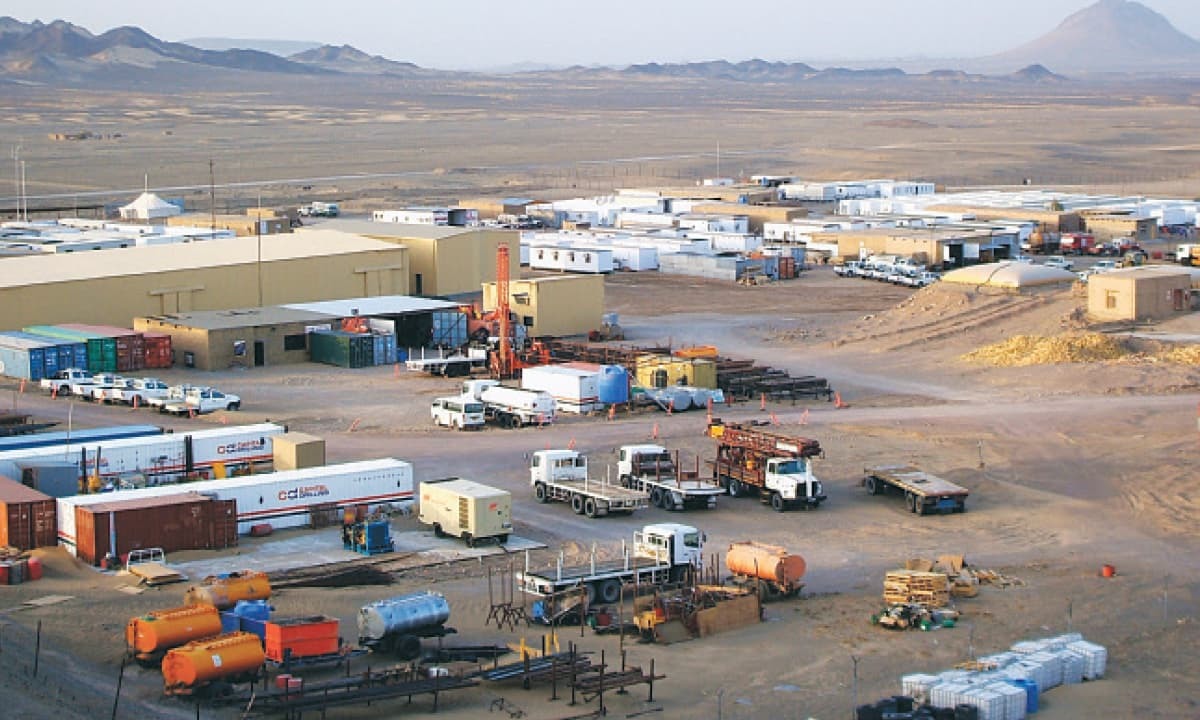
Pakistan’s Reko Diq mine, situated in the arid Chagai district of Balochistan, is emerging as one of the world’s most significant untapped copper and gold reserves. With an estimated 26 million ounces of gold and 15 million tonnes of copper, Reko Diq is poised to transform Pakistan’s mining landscape and economy.
📍 Location and Geological Significance
Reko Diq spans approximately 3.3 million acres in Chagai district, Pakistan’s largest by area. The region is characterized by its rugged terrain and arid climate. Geologically, Reko Diq is part of the Tethyan Magmatic Arc, a belt known for hosting world-class mineral deposits, including the Grasberg mine in Indonesia and the Sar Cheshmeh mine in Iran. The area’s volcanic history has given rise to substantial copper-gold porphyry systems, making it a prime location for mining operations.
💰 Estimated Reserves and Economic Potential
A 2024 feasibility study revealed that Reko Diq holds 15 million tonnes of copper and 26 million ounces of gold. At prevailing market prices, these reserves are valued at over $60 billion. The project is expected to generate approximately $74 billion in free cash flow over its 37-year operational life. This positions Reko Diq as a cornerstone for Pakistan’s economic development, offering substantial revenue streams and employment opportunities.
🏗️ Project Ownership and Development Timeline
The Reko Diq project is a joint venture between Barrick Gold (50% ownership), the Government of Pakistan (25%), and the Government of Balochistan (25%). The project is slated to commence production by the end of 2028, with phase one involving an investment of $5.5 billion to produce 200,000 tonnes of copper annually. A second phase, anticipated to cost $3.5 billion, aims to double the output. The mine’s lifespan is projected at 37 years, with potential for extension based on undiscovered resources.
🌍 Global Significance and Strategic Importance
Reko Diq’s vast reserves place Pakistan among the top global players in copper and gold production. The mine’s strategic location near the borders of Iran and Afghanistan enhances its geopolitical significance. Additionally, the project’s scale and potential output make it a critical asset in the global supply chain for copper, a metal essential for various industries, including electronics, construction, and renewable energy technologies.
🤝 International Partnerships and Investments
The Reko Diq project has attracted significant international interest. Saudi Arabia’s Manara Minerals plans to acquire a 10-20% stake in the project, investing between $500 million and $1 billion. This partnership aims to secure copper output essential for clean energy initiatives. Furthermore, the United States has expressed interest in cooperating with Pakistan on critical minerals, including those from Reko Diq, as part of strengthening economic ties and securing access to essential resources.
🧭 Environmental and Social Considerations
While Reko Diq offers substantial economic benefits, it also presents environmental and social challenges. The project’s location in a remote and ecologically sensitive area necessitates careful planning to mitigate environmental impacts. Additionally, ensuring that local communities benefit from the project’s development is crucial. The government and stakeholders are committed to implementing sustainable practices and community development programs to address these concerns.

🔮 Future Outlook
As Reko Diq progresses towards production, its impact on Pakistan’s economy and global mining industry will become more pronounced. The project’s success hinges on effective management, sustainable practices, and continued international collaboration. If these elements align, Reko Diq has the potential to become a model for large-scale mining projects worldwide, balancing economic growth with environmental stewardship and social responsibility.
🏛️ Historical Background of Reko Diq
The Reko Diq region has a rich mining history dating back centuries. Archaeological surveys have shown that early civilizations in Balochistan mined small quantities of copper and other minerals. However, modern large-scale exploration began in the 1970s when geologists identified the area as a major porphyry copper-gold belt.
- Early surveys by the Balochistan government highlighted the massive potential of Reko Diq.
- Despite its potential, the project remained untapped for decades due to logistical, political, and financial challenges.
- The entry of international mining giants like Barrick Gold in the 2000s marked a turning point, bringing world-class technology and expertise to unlock the mine’s potential.
⚖️ Legal Battles and Ownership Disputes
Reko Diq has been at the center of legal controversies over licensing and ownership:
- In 2011, Tethyan Copper Company (TCC), a joint venture with Barrick Gold, obtained exploration rights but faced disputes over contract terms.
- In 2013, the Pakistan government canceled the mining lease, triggering international arbitration.
- By 2020, the ICSID arbitration tribunal ruled in favor of TCC, awarding a $5.9 billion settlement.
- These disputes delayed development but ultimately led to clearer regulations, making Reko Diq a more attractive investment.
These legal developments underscore the importance of regulatory clarity in large-scale mining projects and their influence on foreign investment.
🔧 Mining Technology and Infrastructure
Mining at Reko Diq is technologically challenging due to its remote location and extreme climate. Modern techniques are being used:
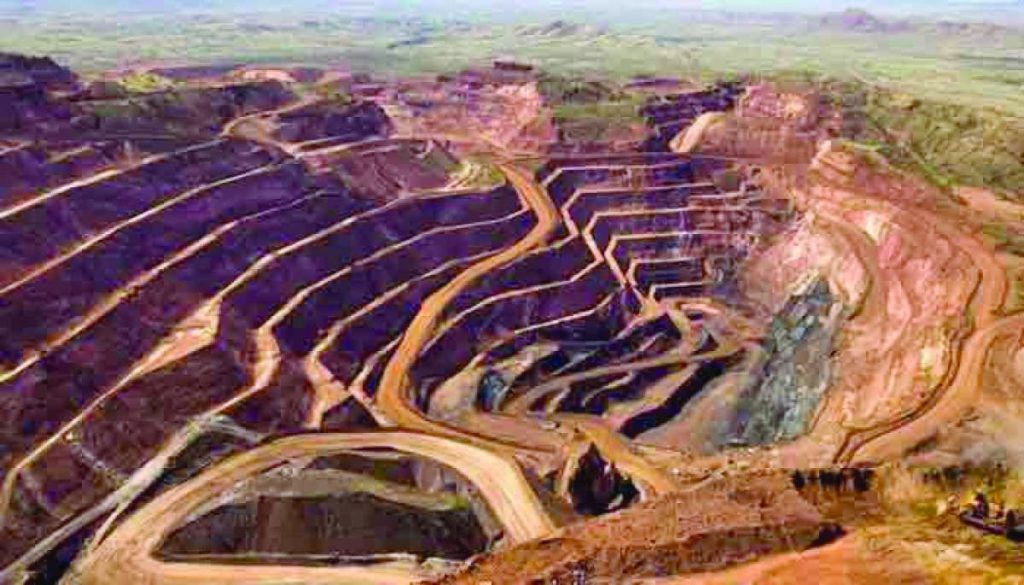
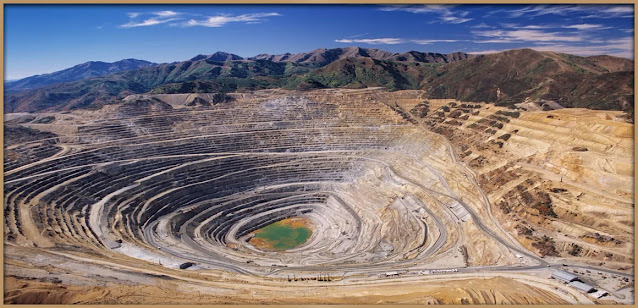
- Open-pit mining will extract both copper and gold efficiently.
- Advanced crusher, mill, and flotation systems will separate gold and copper from ore.
- Tailings management systems will minimize environmental impact.
- Transportation infrastructure, including rail and road networks, is being upgraded to handle large-scale ore movement.
Modern mining technology ensures maximum yield with minimal environmental disruption, a critical factor for sustainable development.
🌐 Economic Significance in Detail
1. Contribution to GDP
- The full-scale operation is expected to contribute over $2 billion annually to Pakistan’s GDP.
- Mining royalties and taxes will provide a steady revenue stream for both federal and provincial governments.
2. Employment Generation
- Thousands of jobs are expected during the construction phase and operation, from engineers and geologists to local laborers.
- Skill development programs will enhance local workforce capabilities, fostering long-term economic growth.
3. Boost to Allied Industries
- Mining will spur growth in logistics, construction, and energy sectors.
- Local businesses supplying equipment, services, and materials will benefit directly.
4. Global Strategic Impact
- With 26 million ounces of gold and 15 million tonnes of copper, Pakistan can significantly influence global metal markets.
- Copper is crucial for renewable energy, electronics, and infrastructure, making Reko Diq a strategic asset internationally.
🌱 Environmental and Social Responsibility
Mining at Reko Diq comes with environmental responsibilities:
- Water scarcity in Balochistan requires innovative water management techniques.
- Dust and emissions will be monitored to protect local communities.
- Community programs aim to educate and empower locals, ensuring equitable distribution of benefits.
Sustainable practices will ensure Reko Diq is not only economically productive but socially responsible.

🔍 Detailed Comparison with Other Global Mines
| Mine | Country | Gold Reserves | Copper Reserves | Significance |
|---|---|---|---|---|
| Reko Diq | Pakistan | 26 million oz | 15 million tonnes | Largest untapped in Asia |
| Grasberg | Indonesia | 30 million oz | 25 million tonnes | Active world-class mine |
| Oyu Tolgoi | Mongolia | 18 million oz | 10 million tonnes | Emerging copper-gold producer |
| Sar Cheshmeh | Iran | 10 million oz | 5 million tonnes | Long-established mine |
This comparison shows that Reko Diq rivals some of the world’s largest mines, putting Pakistan on the global mining map.
🚧 Challenges Ahead
While Reko Diq has immense potential, it faces several challenges:
- Political stability – Ensuring smooth government policies is crucial.
- Infrastructure development – Remote location demands roads, electricity, and water supply.
- Security concerns – Regional security will be a priority for protecting assets and personnel.
- Environmental management – Mining must minimize ecological impact to avoid long-term consequences.
Addressing these challenges is essential for sustainable and profitable operations.
🔮 Future Outlook
- Production is expected to start by 2028, gradually increasing output over the next decade.
- With gold prices projected to remain high and demand for copper rising due to renewable energy, Reko Diq is a long-term strategic investment.
- The project could inspire more large-scale mining projects in Pakistan, creating a robust mining sector.
📝 Conclusion
The Reko Diq mine is not just a mining site; it is a game-changer for Pakistan’s economy, global strategic positioning, and industrial potential.
- With 26 million ounces of gold and 15 million tonnes of copper, it is poised to rival some of the world’s largest mining operations.
- Through international collaboration, modern technology, and sustainable practices, Reko Diq can provide decades of economic growth.
- Its success will enhance Pakistan’s position in global mineral markets, bring social and infrastructure development to Balochistan, and demonstrate how strategic natural resources can transform a nation.
Read more latest news

