

Krishna Janmashtami 2025: Why and How You Should Perform Tulsi-Related Rituals on 16th August
Introduction
Krishna Janmashtami—the birth anniversary of Lord Shri Krishna—is one of the most sacred festivals in Hinduism. This year, in 2025, it falls on 16th August, and millions of devotees across India and the world will fast, sing devotional songs, decorate temples, and perform midnight celebrations to mark the divine event.
But did you know that Tulsi (Holy Basil) plays a deeply significant role in Janmashtami celebrations? Many devotees overlook the sacred traditions connected with Tulsi, yet scriptures say Krishna is never pleased without the offering of Tulsi leaves.
In this blog, we’ll explore:
- The connection between Krishna and Tulsi in Hindu mythology.
- Why Tulsi is indispensable in Janmashtami rituals.
- The right way to perform Tulsi Seva on 16th August.
- Spiritual, cultural, and even scientific reasons behind this practice.
- Common mistakes to avoid.
- How Tulsi worship can transform your Janmashtami observance into a more fulfilling spiritual experience.
The Divine Connection Between Krishna and Tulsi
1. Tulsi as Vrinda Devi
In Hindu Puranas, Tulsi is not just a plant—it is revered as Goddess Vrinda Devi, a devoted follower of Lord Vishnu (Krishna is an avatar of Vishnu). Legends from the Padma Purana and Brahma Vaivarta Purana tell us that Vrinda was a pure-hearted woman whose devotion was so powerful that she merged into the Tulsi plant after her mortal life.
Since then, Lord Vishnu declared:
“Whoever offers me a single Tulsi leaf with devotion, I accept it with great love.”
This is why, in every Krishna temple across the world, you will find Tulsi leaves offered during bhog (food offerings) and archana (ritual worship).
2. The Marriage of Tulsi and Vishnu
Every year in the Hindu month of Kartik, Tulsi Vivah—the ceremonial wedding of Tulsi to Lord Vishnu—symbolizes the eternal bond between them. In the same spirit, on Krishna Janmashtami, Tulsi is considered a bride-like offering to the newborn Krishna.
Why Tulsi is Indispensable on Krishna Janmashtami
Scriptural Mandate
The Bhagavata Purana clearly states that:
- Without Tulsi, Krishna’s offerings are incomplete.
- Even a single Tulsi leaf offered with devotion surpasses lavish offerings without Tulsi.
Spiritual Belief
On Janmashtami, Tulsi leaves:
- Purify the offering (prasad) made to Krishna.
- Magnify the blessings received by the devotee.
- Symbolize Satvik bhakti—pure devotion free of ego.
Tulsi Seva on 16th August: Step-by-Step Guide
To fully honor Krishna on Janmashtami, here’s what you can do with Tulsi:
Step 1: Early Morning Tulsi Puja
- Wake up during Brahma Muhurta (around 4:30 am).
- Bathe and wear clean clothes.
- Go to your Tulsi plant (preferably in the courtyard or balcony).
- Light a diya (oil lamp) near the plant.
- Offer raw milk or water at the roots while chanting: “Tulsi Krishna-priya namo namah” (Salutations to Tulsi, beloved of Krishna).
Step 2: Collect Tulsi Leaves
- Never pluck Tulsi leaves after sunset or on Dwadashi tithi (except in special rituals).
- On Janmashtami morning, pluck Tulsi leaves with clean hands.
- While plucking, chant: “Tulsi patraṁ pradāsyāmi, damodara priyāya te”
(O Tulsi, I offer you to Damodara Krishna with love.)
Step 3: Offering Tulsi to Krishna
- During bhog, place one Tulsi leaf on each sweet or fruit item offered to Krishna.
- For panchamrit (a sacred drink made with milk, curd, ghee, honey, and sugar), add Tulsi leaves.
- While performing aarti, wave Tulsi leaves along with flowers toward the deity.
Step 4: Tulsi Mala for the Idol
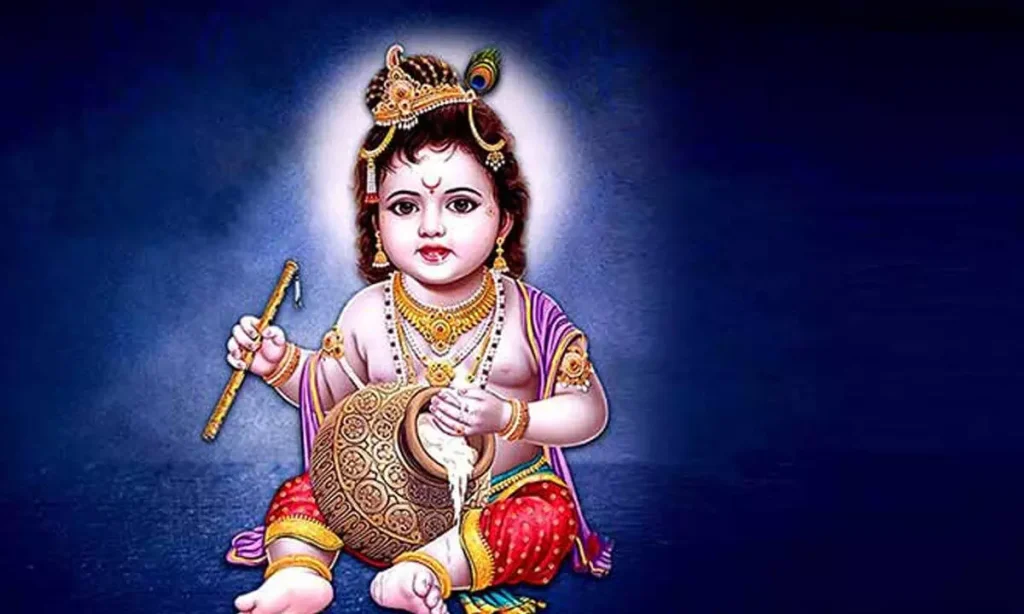
- You can make a small garland of Tulsi leaves to adorn the idol of Baby Krishna (Laddu Gopal).
- This symbolizes the offering of your pure devotion around His divine neck.
Step 5: Tulsi in Midnight Celebration
- The midnight moment (Nishita Kaal) marks Krishna’s birth.
- Offer Makhan-Mishri (butter and sugar) with Tulsi leaves to the idol.
- Distribute prasad with Tulsi leaves among devotees.
Scientific & Health Benefits of Tulsi in Rituals
Interestingly, Tulsi worship isn’t only about devotion—it also has scientific logic:
- Tulsi leaves have anti-bacterial and anti-viral properties, purifying the food offered as bhog.
- The fragrance of Tulsi purifies the air and creates a serene environment for meditation.
- Drinking water with Tulsi (offered to Krishna) boosts immunity and digestion.
Common Mistakes to Avoid While Using Tulsi on Janmashtami
- Plucking leaves with unwashed hands – Always maintain purity.
- Breaking the plant’s main stem – Only take leaves, never damage the plant.
- Using dried or fallen leaves – Offer only fresh leaves.
- Not chanting while plucking – Mantras connect the act with devotion.
Tulsi in Bhakti Tradition
Great saints like Meera Bai, Chaitanya Mahaprabhu, and Tulsidas emphasized Tulsi’s role in devotion:
- Meera Bai wrote that even a small offering with Tulsi is more valuable than gold.
- Chaitanya Mahaprabhu always wore Tulsi beads around his neck as a sign of Krishna devotion.
Regional Variations in Tulsi Seva on Janmashtami
- Vrindavan & Mathura: Special Tulsi garlands are prepared in the ashrams for Krishna idols.
- Maharashtra: Devotees decorate Tulsi plants like brides.
- Gujarat: Tulsi leaves are added to every prasad item before it’s taken to the temple.
Symbolism of Tulsi in Janmashtami Fasting
On Janmashtami, many break their fast (parana) with charanamrit containing Tulsi leaves. This symbolizes:
- Receiving Krishna’s blessings first before consuming other food.
- Starting the post-fast meal with purity and devotion.
How to Teach Children the Value of Tulsi Worship
- Tell them stories of Vrinda Devi and Krishna.
- Let them help in making Tulsi garlands.
- Encourage them to water the Tulsi plant daily during Shravan and Bhadrapad months.
Eco-Spiritual Note
In times when environmental awareness is crucial, Tulsi worship also promotes gardening, greenery, and eco-conscious living. Planting Tulsi on Janmashtami is an act of both devotion and environmental service.
Final Thought
This Janmashtami, on 16th August, let your devotion shine brighter with Tulsi Seva. As Sanatan Dharma teaches, it’s not the grandeur of the offering but the purity of the heart that pleases the Lord. A single Tulsi leaf, offered with love, can draw Krishna’s grace into your life.
When the clock strikes midnight and the chants of “Nand ke Anand Bhayo, Jai Kanhaiya Lal Ki” fill the air, make sure your plate of offerings includes the sacred Tulsi—symbol of unshakeable love and devotion.
Read More latest news

