
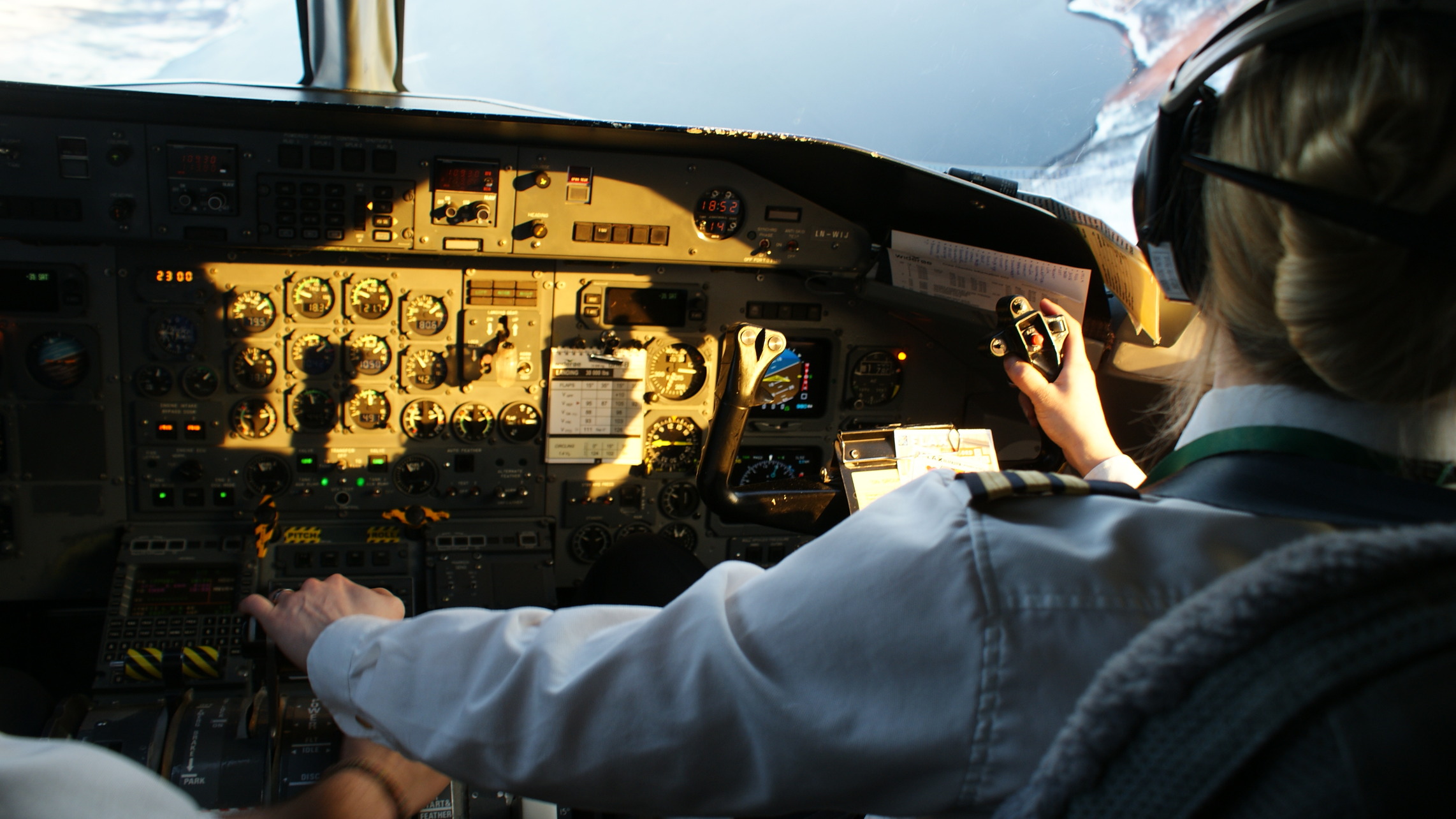
What is the Job of a Co-Pilot in a Flight? Unveiling the Crucial Role in Aviation
When you board a flight and walk past the cockpit, you usually see two pilots seated at the front — the captain and the co-pilot (also called the first officer). While many people assume the captain is in full control and the co pilot is just there for backup, the truth is far more complex. The co pilot plays a critical and often underappreciated role in ensuring the safety, efficiency, and success of every flight.
In this blog, we will dive deep into understanding what the job of a co pilot entails, how it differs from that of the captain, the skills required, the training process, and why modern aviation would be unimaginable without this key role.
Who is a Co Pilot?
A co-pilot, also known as the first officer, is a licensed pilot who assists the captain in flying the aircraft. While the captain is the official commander of the aircraft, the co pilot shares equal responsibility for the safe operation of the flight.
In fact, in modern multi-crew aircraft, both pilots are trained to operate the aircraft in its entirety. The division of responsibilities between the captain and co pilot is not based on skill, but on defined roles and standard operating procedures.
Key Responsibilities of a Co-Pilot
The co pilot’s duties are extensive and begin well before the aircraft leaves the ground. Here’s a breakdown of their major responsibilities:
1. Pre-Flight Checks and Briefings
Before any flight, both pilots are responsible for conducting a series of critical tasks, including:
- Reviewing the flight plan and route
- Checking weather reports and forecasts
- Examining NOTAMs (Notices to Airmen)
- Performing pre-flight checks of aircraft systems and instruments
- Briefing cabin crew on flight duration, turbulence, and emergency plans
The co pilot cross-verifies the aircraft systems alongside the captain to ensure all systems are functional and that there are no mechanical or technical issues.
2. Assisting with Aircraft Operation
Contrary to popular belief, the co pilot doesn’t just sit and observe. Most airlines rotate flying responsibilities between the captain and co pilot. In many cases, the co pilot flies the aircraft while the captain handles communication with air traffic control (ATC), and vice versa.
This shared control ensures:
- Workload is balanced during long or complex flights
- Both pilots remain mentally and physically engaged
- Training and proficiency are maintained for both crew members
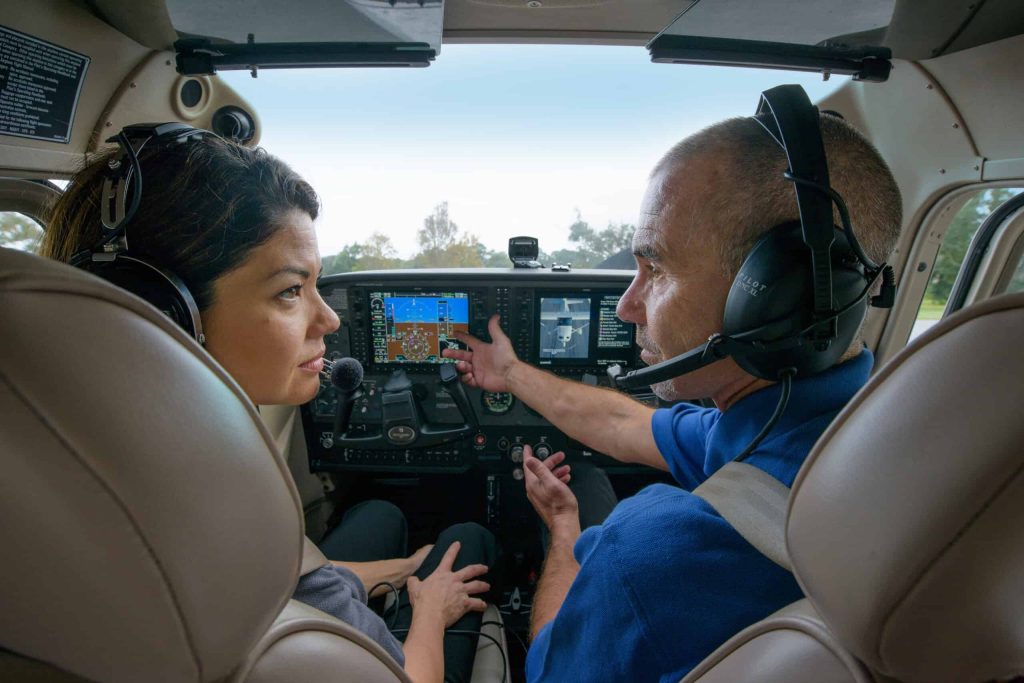
3. Monitoring Systems and Instruments
Modern aircraft rely heavily on computers and digital systems, but human oversight is critical. The co pilot is responsible for:
- Monitoring engine performance
- Watching fuel consumption and balancing
- Keeping an eye on autopilot settings
- Detecting anomalies or deviations from the flight plan
Any issue, even a small one, must be noticed and addressed promptly.
4. Communication with Air Traffic Control
When the captain is flying, the co pilot communicates with ATC to:
- Receive updated instructions
- Manage altitude or route changes
- Confirm clearances for taxiing, takeoff, and landing
Clear and precise communication is essential to avoid misunderstandings that could jeopardize safety.
5. Handling Emergencies
In emergency scenarios — such as engine failure, system malfunction, severe turbulence, or bird strike — the co-pilot:
- Assists the captain in executing emergency protocols
- Reads out checklists and follows procedures
- Communicates with cabin crew and ATC
- Prepares the cockpit for emergency landings if needed
A calm and well-trained co pilot can literally mean the difference between life and death in such situations.
6. Post-Flight Duties
After the aircraft lands and taxis to the gate, the co pilot helps with:
- Logging flight data
- Filling out flight reports
- Communicating any technical issues to ground engineers
- Debriefing with the captain and crew
These tasks ensure that the next crew receives a well-documented report for the following flight.
Difference Between Captain and Co-Pilot
| Role | Captain | Co-Pilot (First Officer) |
|---|---|---|
| Rank | Senior-most pilot | Second-in-command |
| Decision-Making | Final authority on flight decisions | Supports, advises, and follows SOPs |
| Flying Responsibility | Alternates with co-pilot | Alternates with captain |
| Uniform Insignia | 4 stripes on shoulder epaulets | 3 stripes on shoulder epaulets |
| Pay Grade | Higher | Slightly lower (though varies by airline) |
It’s important to note: the co-pilot is not a “junior” pilot in skill. Both captain and co-pilot are fully qualified pilots. The captain is usually more experienced and has logged more flying hours, but the co-pilot is equally capable of flying and landing the aircraft.
Skills Required to be a Successful Co-Pilot
Being a co-pilot isn’t just about flying. The role demands a mix of technical skills, psychological strength, and interpersonal abilities.
✅ Technical Skills:
- Proficiency in flight controls and navigation
- Understanding of avionics and systems
- Expertise in meteorology and aerodynamics
✅ Soft Skills:
- Teamwork and collaboration with the captain
- Clear and confident communication
- Decision-making under pressure
- Situational awareness
- Multitasking
✅ Emotional Resilience:
- Ability to remain calm in stressful situations
- Mental focus over long durations
- Alertness during night or transcontinental flights
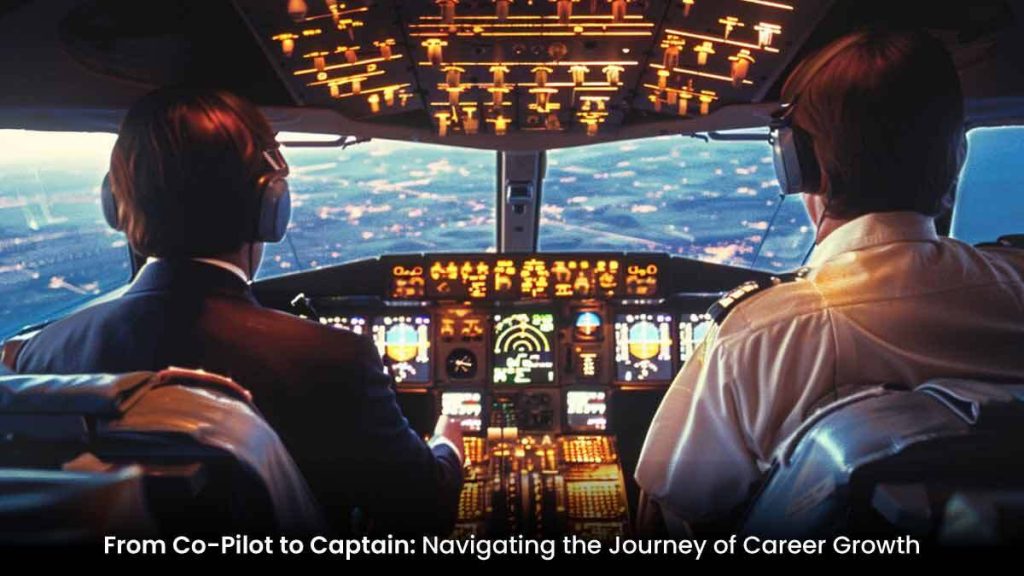
Training and Qualifications
To become a co-pilot, one must complete the following steps:
- Earn a Commercial Pilot License (CPL): After completing a training program from a certified flying school.
- Log Flight Hours: Accumulate between 200–300 hours in varied conditions.
- Type Rating: Undergo specialized training for specific aircraft models (like Airbus A320 or Boeing 737).
- Clear Airline Assessments: Pass written exams, simulator checks, and interviews.
- Join as Junior First Officer: Initially placed as a junior co-pilot under supervision.
- Upgrade to First Officer: After sufficient hours and performance reviews.
With more experience, a co-pilot can later apply for a command upgrade to become a captain.
Life of a Co-Pilot: Myths vs Reality
❌ Myth 1: Co-Pilots Don’t Fly the Plane
✅ Reality: Co-pilots fly the plane just as often as captains, often alternating sectors.
❌ Myth 2: Co-Pilots Just Follow Orders
✅ Reality: They actively contribute to flight planning, decision-making, and safety protocols.
❌ Myth 3: They Can’t Handle Emergencies Alone
✅ Reality: Co-pilots are trained to take over fully if the captain is incapacitated.
Famous Stories of Co-Pilot Brilliance
✈️ Qantas Flight 32 (2010)
The co-pilot of an Airbus A380 played a crucial role in handling a mid-air engine explosion, helping the captain land safely.
✈️ Air Transat Flight 236 (2001)
The co-pilot assisted in gliding the aircraft for over 100 km without engine power, saving 306 lives.
Future of the Co-Pilot Role in Aviation
With advancements in automation, some speculate about single-pilot or even pilotless commercial flights. However, the aviation industry remains cautious. Here’s why the co-pilot role is expected to remain essential:
- Redundancy: Safety is paramount; two pilots ensure backup in all situations.
- Human Judgment: Technology cannot replicate human intuition in crisis.
- Crew Resource Management (CRM): Aviation thrives on collaboration between pilots.
Even in future aircraft with AI support, co-pilots will likely be retained as vital human overseers.
Conclusion: The Co-Pilot Is the Backbone of the Cockpit
Far from being a mere assistant, the co-pilot is a highly skilled, critical, and actively engaged member of every flight crew. Their responsibilities span from technical operation to emergency handling, and from system monitoring to crew coordination. Every smooth flight, safe landing, and well-managed crisis often bears the silent signature of an alert and competent co-pilot.
The next time you fly, remember — the person sitting in the right seat of the cockpit is not just a backup. They are a pillar of safety, professionalism, and precision, ensuring your journey through the skies is as safe and smooth as possible.
read more latest news

