
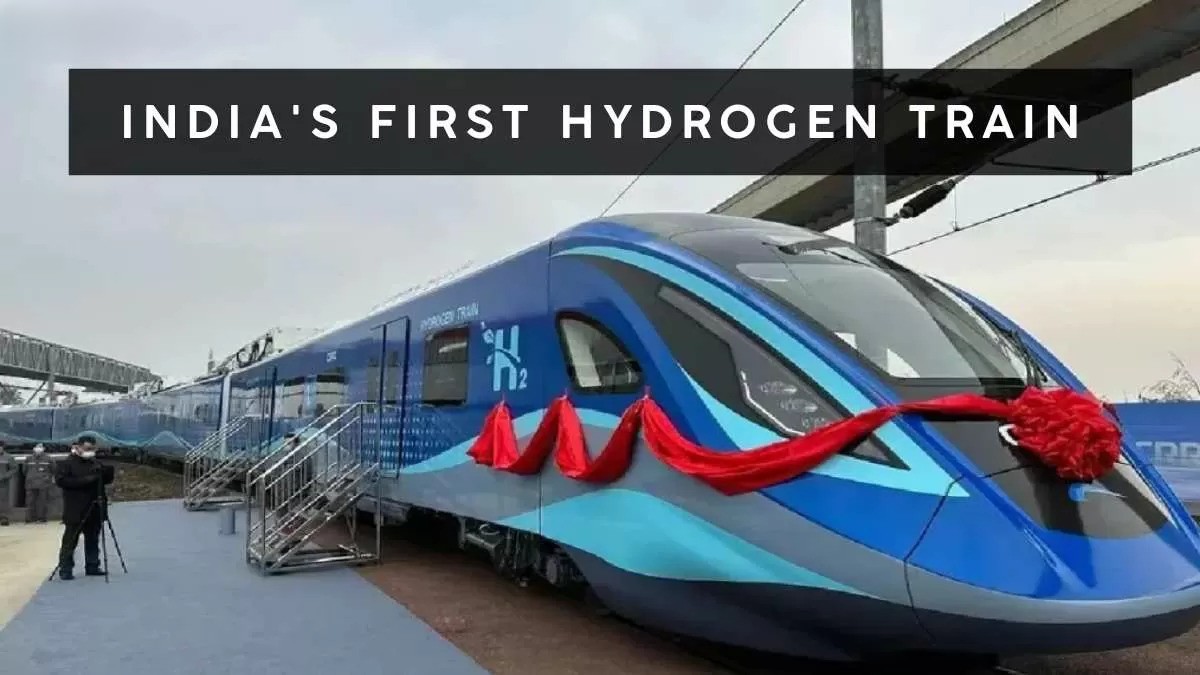
India’s First Hydrogen Train on Track: Know Its Specialty
India, a country at the forefront of technological innovation and a rising player in global green energy initiatives, has recently made significant strides toward a sustainable and eco-friendly future. In a landmark development, India has introduced its very first hydrogen-powered train, marking a major milestone in the country’s efforts to reduce its carbon footprint and embrace cleaner alternatives for public transportation. The advent of hydrogen trains is not just a technological leap but also an environmental one that could revolutionize the way the nation approaches mobility and energy consumption.
The train, which operates using hydrogen fuel cells, offers an alternative to traditional trains that rely on fossil fuels and electricity derived from non-renewable sources. This shift to hydrogen fuel represents a critical step toward India achieving its climate goals and fostering sustainable development across its transportation networks.
In this blog, we will explore the groundbreaking technology behind India’s first hydrogen train, its unique features, the challenges it addresses, and the potential implications for the future of public transportation in the country. Moreover, we will examine the broader context of hydrogen as a clean fuel, the progress of the Indian railways, and the importance of such innovations in combating climate change.
The Rise of Hydrogen as a Clean Energy Source
Before delving into the specifics of the hydrogen-powered train, it is crucial to understand why hydrogen is considered a viable and effective alternative to conventional fossil fuels. Hydrogen is the most abundant element in the universe, and when used as a fuel, it has significant environmental advantages over traditional energy sources like coal, oil, and natural gas.
When hydrogen reacts with oxygen in a fuel cell, it produces electricity to power the vehicle, with the only byproduct being water vapor—making it a zero-emission fuel. This stark contrast to the carbon emissions from diesel-powered trains and other transportation systems makes hydrogen a promising solution for reducing the overall environmental impact of travel.
Hydrogen fuel cells work by combining hydrogen with oxygen from the air in a chemical reaction to produce electricity, heat, and water. The electricity generated is then used to power the vehicle’s motors, enabling it to move. The main advantages of hydrogen fuel cells include their high energy density, quick refueling times, and zero emissions, which make them particularly suitable for use in public transportation systems, including trains, buses, and even airplanes.
As the world moves toward a future of clean energy, hydrogen is gaining attention for its ability to decarbonize transportation and provide a sustainable energy solution. In India, where pollution levels are a growing concern, and where the government has set ambitious goals to reduce carbon emissions and transition to renewable energy, the introduction of hydrogen-powered trains is a monumental step forward.
India’s First Hydrogen Train: A Game Changer
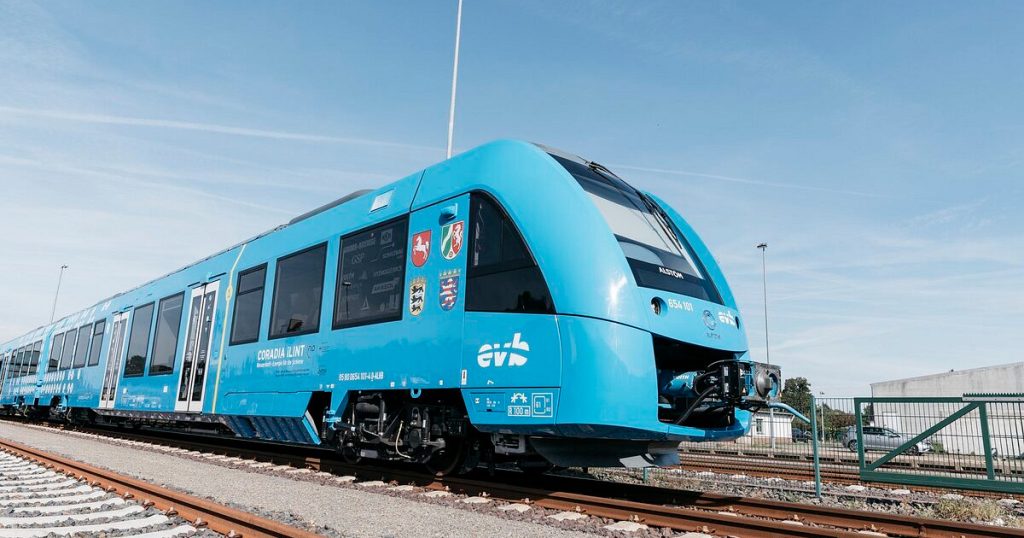
India’s first hydrogen train, which was unveiled in 2023, represents a bold move toward sustainable transportation. The train was developed by Indian Railways in collaboration with various stakeholders, including the Ministry of Railways, the Department of Science and Technology, and several private and public sector entities specializing in green technology.
The hydrogen train was designed to be a cleaner, more efficient, and environmentally friendly alternative to diesel-powered trains, which have been a major source of pollution in the country. The hydrogen-powered train, which operates without the need for electrification of tracks, promises to significantly reduce carbon emissions, air pollution, and operational costs.
The first hydrogen train is currently undergoing testing and trials, and its successful deployment could pave the way for a new era of clean transportation in India. This marks a monumental achievement for Indian Railways, which has long been recognized as one of the largest rail networks in the world. With the introduction of hydrogen trains, India is positioning itself as a leader in sustainable mobility, demonstrating that large-scale infrastructure projects can be both economically viable and environmentally responsible.
Key Features and Specialties of the Hydrogen Train
The hydrogen-powered train introduced by India boasts a range of unique features that set it apart from traditional trains and highlight its innovative nature. Let’s explore these specialties in detail.
1. Zero Emissions
One of the most remarkable aspects of the hydrogen train is that it produces zero emissions. Unlike diesel trains, which release significant amounts of greenhouse gases such as carbon dioxide (CO2) and nitrogen oxide (NOx), hydrogen trains emit only water vapor as a byproduct. This helps combat air pollution, reduce the carbon footprint of transportation, and contribute to India’s broader climate goals of achieving net-zero emissions by 2070.
As India struggles with high pollution levels, especially in major urban areas, the hydrogen train presents a powerful tool in the fight against climate change. With transportation being one of the largest contributors to carbon emissions, a shift to cleaner energy sources like hydrogen could significantly reduce the country’s reliance on fossil fuels.
2. Hydrogen Fuel Cell Technology
At the heart of the train’s operation is the hydrogen fuel cell technology. Unlike conventional trains that rely on diesel engines or electrification, the hydrogen train uses fuel cells to generate electricity. The fuel cells combine hydrogen and oxygen from the air to produce electricity, which powers the train’s motor. This process is highly efficient, and since there is no combustion involved, it is free from the pollution and emissions associated with diesel-powered trains.
The hydrogen fuel cell system is not only environmentally friendly but also highly energy-efficient. It offers a cleaner and quieter alternative to traditional engines, reducing noise pollution along railway tracks and in nearby residential areas. The efficiency of the fuel cells allows the train to travel longer distances with minimal refueling, making it an ideal choice for both short and long-haul journeys.
3. Energy Efficiency and Cost-Effectiveness
The hydrogen-powered train is expected to be highly cost-effective in the long run. While the initial investment in hydrogen technology and infrastructure may be higher than conventional trains, the operational costs are much lower. Hydrogen fuel cells have fewer moving parts than diesel engines, reducing maintenance costs and improving the overall reliability of the train.
Furthermore, the cost of hydrogen production is expected to decrease as the technology advances and economies of scale come into play. This makes hydrogen trains an increasingly attractive option for public transportation networks, particularly in countries like India, where rail networks are vast and play a vital role in connecting urban and rural areas.
4. No Need for Electrification of Tracks
A major advantage of hydrogen-powered trains is that they do not require the electrification of railway tracks. Traditionally, trains that run on electricity require extensive infrastructure, including overhead power lines or electrified rails, which can be expensive to install and maintain. In contrast, hydrogen trains operate independently of this infrastructure, making them a more flexible and cost-effective option for regions where electrification is not feasible or financially viable.
In India, where certain rural and remote areas are still not connected to the national grid, hydrogen-powered trains can help expand railway services without the need for costly electrification projects. This makes them an ideal solution for promoting sustainable transportation in underserved areas while simultaneously reducing the environmental impact.
5. Quiet Operation
Another important benefit of the hydrogen-powered train is its quiet operation. Diesel engines are notoriously noisy, contributing to sound pollution, especially in urban areas. Hydrogen trains, on the other hand, generate significantly less noise. This makes them more suitable for running through populated areas, such as cities and towns, without disturbing residents or contributing to noise pollution.
The quiet operation of hydrogen trains also improves the overall travel experience for passengers, as they can enjoy a more peaceful and pleasant journey.
6. Long-Range Capability
Despite being powered by hydrogen fuel cells, the train boasts impressive range capabilities. Hydrogen fuel cells are known for their high energy density, meaning they can store and deliver large amounts of energy in a compact form. This allows hydrogen trains to travel long distances without the need for frequent refueling, making them a viable option for intercity and even regional rail travel.
The long-range capability of the hydrogen-powered train makes it a competitive alternative to diesel-powered trains, especially on routes that require extended travel without the availability of electrified tracks.
Testing and Future Prospects
As of now, India’s first hydrogen train is undergoing extensive testing on select routes, with the aim of fine-tuning its performance and ensuring its reliability in real-world conditions. The train has already undergone successful trials in various parts of the country, and its performance has been largely positive.
The next phase of the project will involve scaling up production and deploying more hydrogen trains across India’s vast rail network. If successful, this initiative could pave the way for other countries to adopt hydrogen-powered trains as part of their own sustainable transportation systems.
India’s hydrogen train project aligns with the government’s broader push to increase the share of renewable energy in the country’s energy mix and reduce the overall environmental impact of its transportation sector. The country has already made significant progress in promoting clean energy, with major investments in solar, wind, and other renewable sources. The hydrogen train represents a natural progression in this journey, and its successful implementation could serve as a model for other nations looking to decarbonize their transportation systems.
Challenges Ahead
While the hydrogen-powered train is a significant technological breakthrough, there are several challenges that need to be addressed before it can become a mainstream mode of transportation in India. Some of these challenges include:
- Hydrogen Production and Infrastructure: While hydrogen fuel cells are an attractive solution, the production and storage of hydrogen remain expensive and technologically complex. Developing a robust hydrogen production infrastructure, including refueling stations and storage facilities, will be essential for the widespread adoption of hydrogen trains.
- Cost and Investment: The initial cost of developing and deploying hydrogen-powered trains is higher than conventional trains. To make hydrogen trains a viable option for mass adoption, there will need to be significant investment in research and development, as well as government subsidies and incentives.
- Public Awareness and Acceptance: Although hydrogen is a promising fuel, it is still relatively new to many people, and public awareness about its benefits and safety will be crucial in ensuring the success of hydrogen-powered trains.
- Technological Advancements: As with any emerging technology, the performance and efficiency of hydrogen fuel cells will need to improve over time. Continued research and innovation will be required to make hydrogen trains even more cost-effective and efficient.
Conclusion: A Sustainable Future for Indian Railways
India’s first hydrogen-powered train represents a landmark achievement in the country’s pursuit of cleaner, greener energy solutions. By adopting hydrogen fuel cell technology, India is taking a bold step toward decarbonizing its transportation sector and making its railway network more sustainable. The introduction of hydrogen trains offers numerous benefits, including zero emissions, reduced operational costs, and greater flexibility in rail operations.
As India continues to invest in clean energy technologies and strives to meet its ambitious climate goals, the hydrogen train stands as a shining example of what the future of transportation could look like. With ongoing testing, improvements, and investments in hydrogen infrastructure, the hydrogen-powered train could soon become a common sight across India’s railways, helping the country move closer to a cleaner, more sustainable future.
India’s commitment to sustainable transportation, combined with innovative technologies like hydrogen fuel cells, has the potential to revolutionize the way the nation travels, while also providing a significant solution to global environmental challenges. The hydrogen-powered train is not just a technological marvel, but a beacon of hope for a greener, cleaner, and more sustainable world.
read more latest news

