
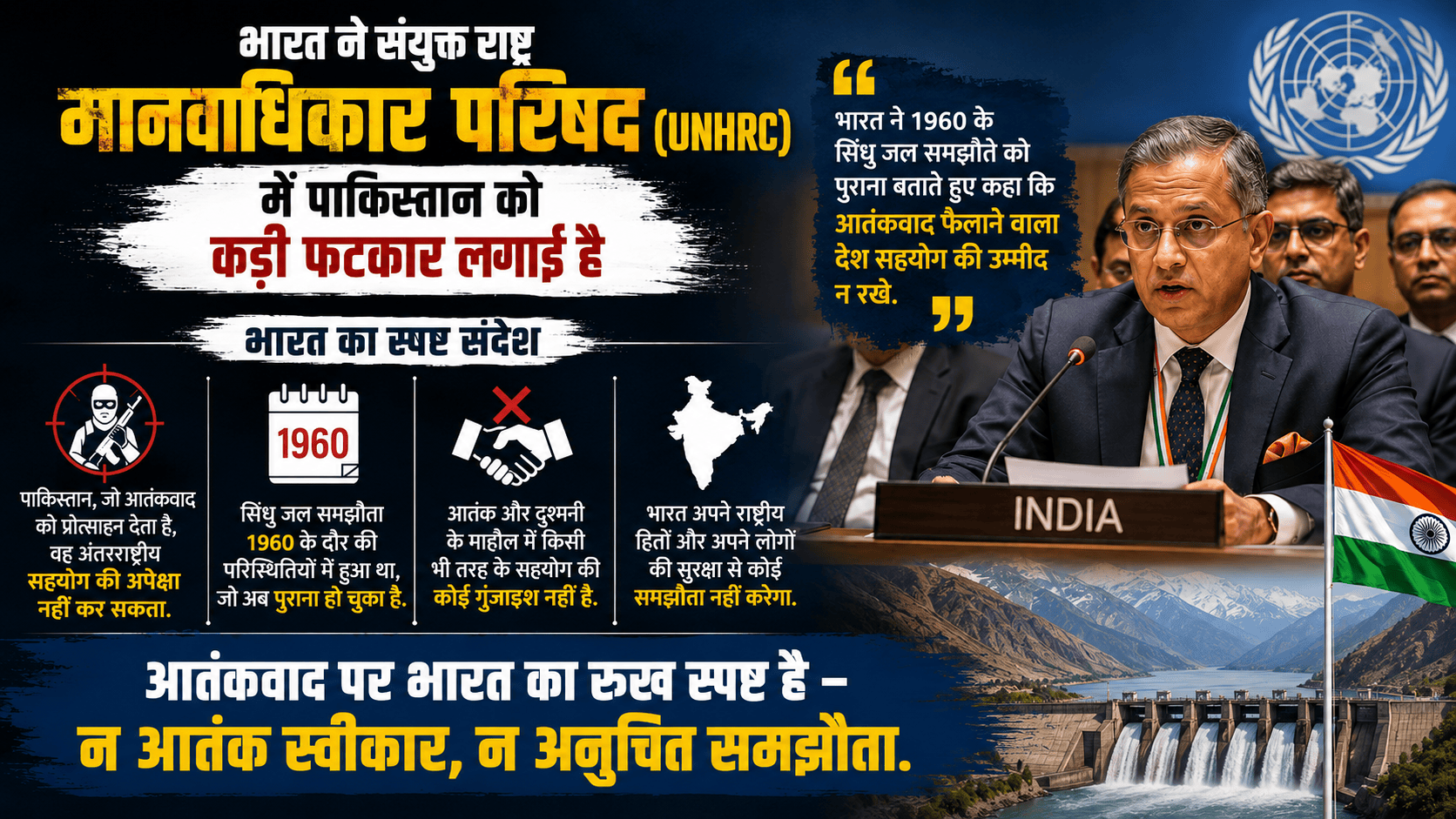
India Has Sharply Rebuked Pakistan at UNHRC: New Delhi Calls Indus Waters Treaty Outdated, Links Cooperation to End of Terrorism
Introduction
In a significant diplomatic development at the United Nations Human Rights Council (UNHRC), India has delivered a strong and unambiguous message to Pakistan regarding terrorism, bilateral cooperation, and the future of the Indus Waters Treaty. During the session, Indian representatives emphasized that nations using terrorism as an instrument of state policy cannot expect normal relations, cooperation, or goodwill from their neighbors.
The statement has attracted global attention because it comes amid continued tensions between the two nuclear-armed neighbors. More importantly, India described the 1960 Indus Waters Treaty as an outdated agreement that requires a fresh perspective in the context of modern geopolitical realities.
Observers noted that India has sharply rebuked Pakistan for repeatedly raising issues against India on international platforms while failing to address concerns related to terrorism emanating from its soil.
India’s Strong Statement at the UNHRC
Addressing the UN Human Rights Council, India categorically rejected Pakistan’s allegations and criticized Islamabad for attempting to misuse international forums. Indian diplomats argued that Pakistan’s record on terrorism undermines its credibility whenever it seeks to lecture other nations on human rights or regional stability.
During the proceedings, India has sharply rebuked Pakistan by stating that a country which actively supports, shelters, or promotes terrorist networks cannot simultaneously seek cooperation and friendship from its neighbors.
Indian officials stressed that meaningful dialogue and cooperation can only take place in an environment free from terrorism. According to New Delhi, peace and stability in South Asia remain impossible as long as cross-border terrorism continues to be used as a strategic tool.
The remarks reflected India’s long-standing position that terrorism and talks cannot go together.
The Indus Waters Treaty Under Scrutiny
One of the most notable aspects of India’s statement was its reference to the Indus Waters Treaty signed in 1960 between India and Pakistan with the assistance of the World Bank.
The treaty has often been regarded as one of the most durable water-sharing agreements in the world. Despite multiple wars and prolonged diplomatic tensions, the treaty survived for decades. However, India indicated that the agreement no longer reflects present realities.
At the UNHRC, India has sharply rebuked Pakistan while asserting that agreements signed more than six decades ago must be reviewed in light of changing circumstances, population growth, environmental challenges, and security concerns.
Indian officials argued that the regional context has transformed dramatically since 1960. Climate change, increasing water demand, technological advancements, and security threats require a reassessment of existing frameworks.
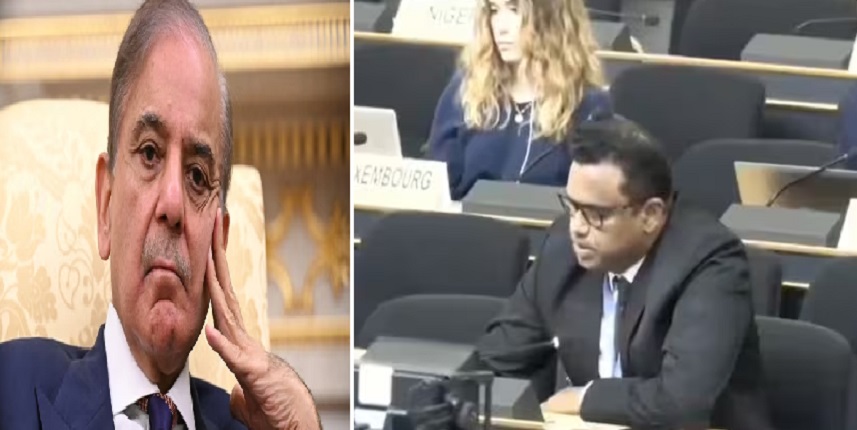
Why India Calls the Treaty Outdated
India’s position is based on several factors. First, the demographic situation has changed significantly since the treaty was signed. Both India and Pakistan have witnessed substantial population growth, increasing pressure on water resources.
Second, climate change has altered river flows and rainfall patterns across the region. Experts have repeatedly warned that water management policies need modernization to address these emerging challenges.
Third, India believes that persistent security threats have changed the foundation on which bilateral agreements were originally built.
In this context, India has sharply rebuked Pakistan by emphasizing that cooperation cannot remain one-sided when trust is repeatedly undermined by terrorist activities.
New Delhi maintains that treaties function effectively only when both parties uphold broader principles of peaceful coexistence and mutual respect.
Terrorism Remains the Core Issue
The central theme of India’s intervention was terrorism. Indian representatives highlighted that Pakistan has consistently failed to take credible action against terror groups targeting India.
Over the years, India has raised concerns regarding various terrorist attacks and has repeatedly called for decisive measures against organizations operating from Pakistani territory.
At the UNHRC session, India has sharply rebuked Pakistan for attempting to divert attention away from these concerns through political narratives and accusations against India.
According to Indian diplomats, no country can demand cooperation while simultaneously allowing terrorism to flourish within its borders.
This message aligns with India’s broader international campaign to build global consensus against terrorism.
International Community Watches Closely
India’s remarks have attracted attention from policymakers, analysts, and diplomats worldwide. Many observers view the statement as part of a larger shift in India’s diplomatic approach.
Rather than responding defensively to Pakistani allegations, India increasingly adopts an assertive posture in international forums.
During the latest exchange, India has sharply rebuked Pakistan by highlighting what it described as Islamabad’s contradictions on terrorism and human rights.
Several international experts believe that New Delhi is seeking to reshape global perceptions by emphasizing security concerns and accountability.
The debate also underscores the growing importance of water security in international relations.
Historical Background of the Indus Waters Treaty
The Indus Waters Treaty was signed in Karachi on September 19, 1960, by Indian Prime Minister Jawaharlal Nehru and Pakistani President Ayub Khan.
Under the agreement, the eastern rivers—Ravi, Beas, and Sutlej—were allocated primarily to India, while the western rivers—Indus, Jhelum, and Chenab—were largely allocated to Pakistan.
The World Bank played a significant role in facilitating negotiations and remains associated with certain dispute-resolution mechanisms.
However, changing realities have led many analysts to question whether the treaty can continue operating without reforms.
In this backdrop, India has sharply rebuked Pakistan and signaled that historical arrangements cannot be isolated from contemporary security concerns.
India’s Argument: Cooperation Requires Trust
India’s core argument is straightforward. Cooperation is built upon trust, and trust cannot survive when terrorism remains an unresolved issue.
Indian officials stated that countries pursuing hostile policies cannot expect normal diplomatic engagement.
At the UNHRC, India has sharply rebuked Pakistan by making it clear that friendship, cooperation, and regional integration depend on responsible state behavior.
This position reflects India’s repeated calls for Pakistan to take visible and verifiable action against terrorist organizations.
New Delhi argues that only then can bilateral relations move forward constructively.
Pakistan’s Likely Response
Pakistan has traditionally rejected India’s allegations and maintains that it supports dialogue on all outstanding issues.
Islamabad often raises concerns regarding Kashmir and other bilateral disputes in international forums.
However, India’s latest statement suggests that New Delhi remains unwilling to separate discussions from the issue of terrorism.
As diplomatic exchanges continue, India has sharply rebuked Pakistan by reiterating that terrorism must be addressed before meaningful progress can occur.
The sharp language used at the UNHRC demonstrates India’s determination to maintain this position on the global stage.
Water Security and Regional Stability
Water is increasingly becoming a strategic issue worldwide. Climate change, population growth, and economic development are intensifying competition for water resources.
South Asia is particularly vulnerable because millions depend on river systems originating in the Himalayas.
India argues that sustainable water management requires transparency, modernization, and mutual trust.
Against this backdrop, India has sharply rebuked Pakistan while emphasizing that outdated frameworks must evolve to meet present-day realities.
Experts note that future discussions on water-sharing agreements may become more complex as environmental pressures increase.
Diplomatic Significance of the Statement
The statement delivered at the UNHRC carries significance beyond bilateral relations.
It reflects India’s broader effort to project itself as a responsible global actor committed to combating terrorism and protecting regional stability.
Many analysts believe that India’s position resonates with countries facing similar security challenges.
At the same time, India has sharply rebuked Pakistan by underscoring what it views as the incompatibility between terrorism and international cooperation.
This message is likely to remain central to India’s diplomatic strategy in the coming years.
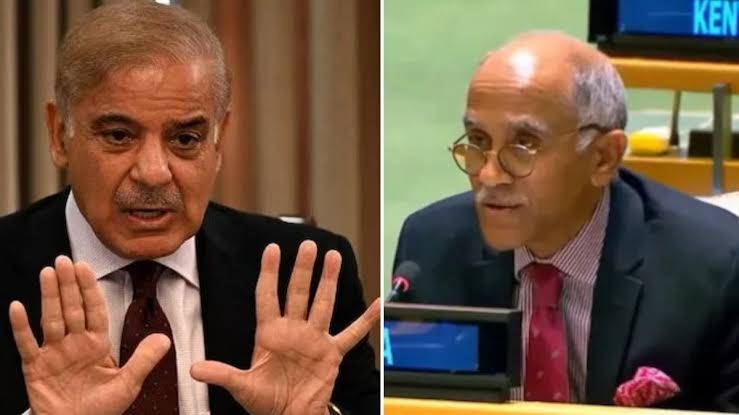
Global Fight Against Terrorism
India has consistently advocated stronger international cooperation against terrorism.
Successive Indian governments have called for a comprehensive global framework to address terror financing, recruitment, radicalization, and cross-border support networks.
At the UNHRC, India has sharply rebuked Pakistan by linking bilateral issues to the broader global challenge of terrorism.
Indian officials argued that terrorism threatens not only regional peace but also international security.
As a result, New Delhi continues to seek stronger international mechanisms to hold states accountable for supporting or tolerating terrorist activities.
Implications for India-Pakistan Relations
The latest exchange suggests that relations between India and Pakistan are unlikely to improve significantly in the near future.
Both countries continue to hold divergent views on major issues, including terrorism, regional security, and diplomatic engagement.
However, India’s remarks indicate that any future dialogue will likely be conditioned upon measurable action against terrorism.
During the UNHRC session, India has sharply rebuked Pakistan and reaffirmed this principle before the international community.
This approach reflects India’s belief that lasting peace requires addressing the root causes of instability.
Conclusion
The UNHRC session marked another important chapter in the evolving diplomatic relationship between India and Pakistan. India’s representatives delivered a firm message linking cooperation, regional stability, and water-sharing arrangements to the issue of terrorism.
Throughout the proceedings, India has sharply rebuked Pakistan for what it described as the use of terrorism as an instrument of state policy. India also argued that the Indus Waters Treaty, signed in 1960, must be viewed through the lens of contemporary realities rather than historical assumptions.
By emphasizing accountability, security, and modernization, New Delhi signaled a clear shift toward a more assertive diplomatic posture. Whether this leads to renewed negotiations, greater international pressure, or continued tensions remains to be seen.
What is clear, however, is that India has sharply rebuked Pakistan and placed the issues of terrorism, trust, and responsible state behavior at the center of the regional and international conversation.
read more latest news

