

Historical Context: Waqf in India and Land Conflicts
Gram Samaj To understand the current situation in Uttar Pradesh, it’s essential to explore the historical evolution of Waqf properties in India. The concept of Waqf has existed since the medieval period, where Muslim rulers and wealthy individuals would donate land or property for religious or charitable purposes. These donations were considered irrevocable and perpetual, managed by a trustee or mutawalli.
Post-independence, the Indian government codified these institutions through the Waqf Act of 1954, later amended in 1995. Under this law, state-level Waqf Boards were given authority to manage and safeguard these properties. Over the decades, however, many properties were claimed as Waqf without clear documentation or transparency, often leading to disputes Gram Samaj.
In rural areas, many such properties overlapped with lands historically used by village communities—known as Gram Samaj lands. As land records were digitized and scrutinized in recent years, numerous anomalies came to light Gram Samaj.
The Legal Landscape: What the Law Says
Gram Samaj According to Indian land revenue laws, Gram Samaj lands are under the jurisdiction of the village panchayat and cannot be sold, leased, or transferred for private use. These lands are intended to serve the welfare of the village, including:
- Grazing lands for cattle
- Ponds and water resources
- Paths and common spaces
- Burial grounds (for all communities)
Gram Samaj On the other hand, Waqf properties—once officially recorded—are legally protected. The issue arises when lands that were never legally endowed are registered under Waqf without due process or evidence.
Gram Samaj This is where the Waqf Amendment Act 2025 comes in—it allows for re-evaluation and challenges to such entries. It empowers revenue officials and district magistrates to initiate a review where there’s evidence of misclassification or encroachment.
Mechanism of Reclaiming Land: The Administrative Process Gram Samaj
The Uttar Pradesh government has laid down a structured process to handle this reclamation drive:
- Land Record Scrutiny: District revenue officers, under supervision from divisional commissioners, are reviewing historical land records, satellite imagery, and mutation entries.
- Public Notices & Hearings: Where discrepancies are found, the concerned parties are notified and called for hearings.
- Survey and Demarcation: Survey teams physically visit the disputed land to check current use, past use (through older maps), and talk to local villagers.
- Final Decision: If the land is determined to be Gram Samaj land registered incorrectly under Waqf, it is re-registered under the Revenue Department, and its use is reassigned according to government policy.
- Evictions (if needed): In some areas, structures have been removed or taken over if found to be illegally occupying public land.
District-Wise Examples of Land Reclamation Gram Samaj
Kaushambi
As mentioned earlier, Kaushambi is one of the most prominent districts in this drive. Around 93 bighas (approximately 58 acres) of land were found to be illegally registered under the Waqf Board. After proper verification, the district administration de-registered them and returned them to the Revenue Department.
Amethi
In Amethi, nearly 50 bighas of grazing land used for decades by locals had been marked under Waqf. Following a complaint by a local panchayat, the area was surveyed, and the land was freed up.
Bareilly
In Bareilly, an old graveyard listed under Waqf was overlapping with community grazing land. Following a detailed ground and drone survey, boundaries were re-demarcated and over 10 acres were re-vested with the village administration.

Why This Matters: Social and Economic Impact
Restoring Public Rights
In many villages, residents were deprived of access to land that was historically and socially part of their daily lives. The reclamation of these lands restores their rights to:
- Common grazing areas
- Paths used for religious processions or transport
- Land for village fairs or festivals
- Water bodies vital for irrigation and livestock
Boosting Rural Development
With the reclaimed lands, the state is planning to implement a number of rural development schemes:
- PM Awas Yojana (Housing): The government has already announced that a portion of the recovered lands will be used for building affordable housing for the rural poor.
- Schools and Clinics: Local officials have proposed setting up primary schools and health sub-centers on newly available land.
- Women SHGs and Agriculture Cooperatives: In some blocks, Self Help Groups are being encouraged to use reclaimed land for community farming.
Political and Religious Reactions
Support
Many villagers, particularly from farming communities, have welcomed the move, stating that they were unaware that local lands had been registered under Waqf and were often unable to access them.
Hindu organizations have also voiced support, claiming that this action rights a historical wrong where land records were allegedly manipulated to seize community resources.
Concerns and Opposition
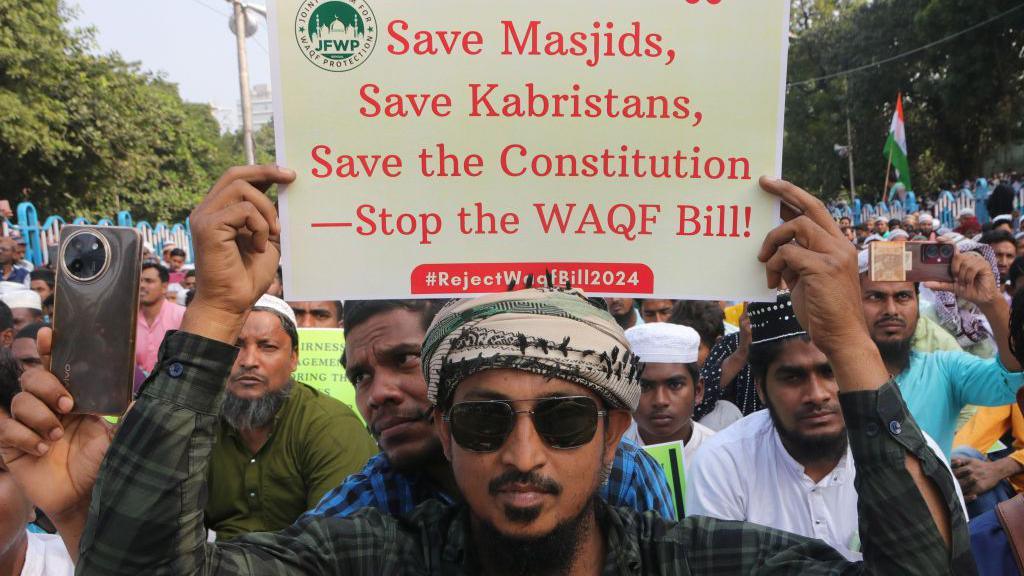
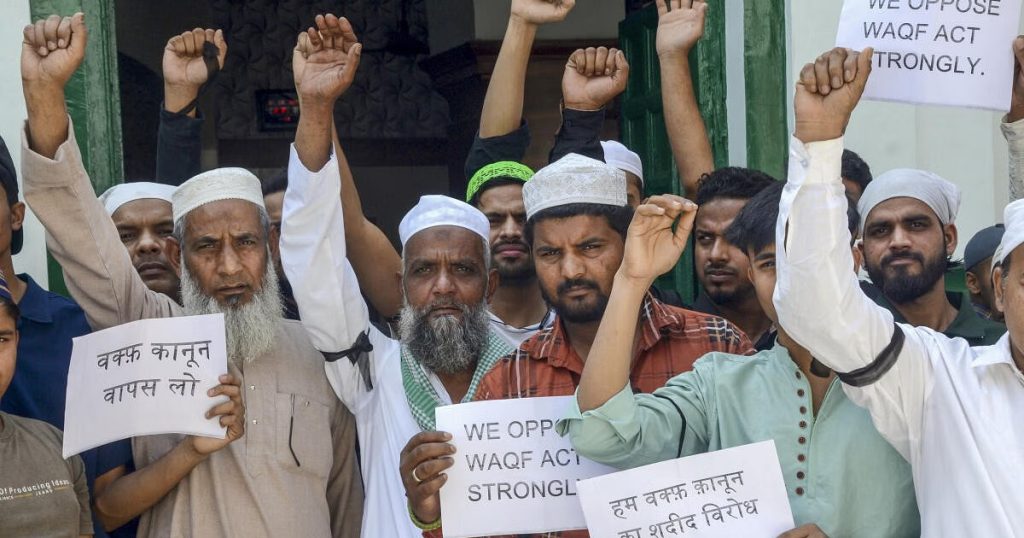
However, there has been criticism from certain Muslim organizations and political groups. Some claim that the exercise is politically motivated, targeting Muslim institutions. Waqf Boards in some districts have filed objections and even moved to courts challenging the land reclamation orders.
The state government has clarified that the process is purely administrative and not communal. It has emphasized that only improperly registered Waqf lands are being reviewed—not those with valid waqfnama (deed of endowment).
Digital Transformation and Transparency
This land reclamation drive is also part of a broader movement towards digitizing and cleaning up land records in India. With schemes like Digital India Land Records Modernization Programme (DILRMP), governments are trying to reduce land disputes and ensure accuracy in public records.
Uttar Pradesh is now linking its land records to Aadhaar, geo-tagging properties, and putting them online. This will allow common citizens to see who owns what land, reducing chances of fraud.
Future Outlook: What’s Next?
- Waqf Board Reconstitution: The state has already proposed overhauling the Waqf Board and appointing members through a more transparent process.
- Guidelines for Future Registration: A clear legal framework is expected soon, stating what documentation is required for future Waqf property claims.
- Possibility of a Central Review: If successful, similar exercises could be replicated in other states like Madhya Pradesh, Rajasthan, or Bihar—where land record confusion is common.
- Legal Safeguards: New rules may also provide greater protection for Gram Samaj lands, with harsher penalties for unauthorized registration or encroachment.
Voices from the Ground
We spoke to villagers and administrators across UP:
“This land was used by our community for grazing cows for generations. One day we found out it was no longer ours. We’re happy it’s back now,” — Mahavir Singh, a farmer in Raebareli.
“There must be fairness. If land was not legally endowed as Waqf, it must be returned. But if it was, the law must protect it too,” — Faheem Khan, a local cleric in Sitapur.
“Our records were messy. This exercise has brought order to chaos. And the land will now benefit all villagers equally,” — SDO (Revenue), Banda district.
Conclusion: A Step Toward Justice and Order
The Uttar Pradesh government’s bold action to reclaim Gram Samaj lands from unauthorized Waqf possession is not just a legal move—it’s a signal of larger reform. It seeks to restore public lands to the people, clean up messy records, and ensure that the law is respected in land ownership.
While the issue remains sensitive, especially in a diverse and multi-religious country like India, transparency, fair hearings, and data-driven decisions will be key to its long-term success.
As other states watch closely, the UP model might just become a template for nationwide land reforms in the years to come.
read more lates News

