
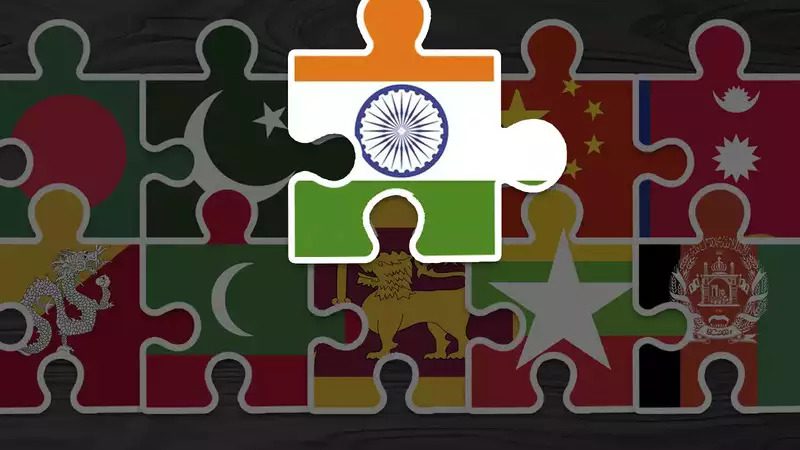
foreign policy The year 2024 was a pivotal one for India’s foreign policy and regional diplomacy. After years of icy relations following the Galwan Valley clashes in 2020, India and China appeared to make tentative steps toward reconciliation. However, while progress on this front was noteworthy, the subcontinent faced a gamut of regional challenges—from heightened tensions with Pakistan and escalating issues in Nepal to maintaining delicate ties with Sri Lanka and Bangladesh.
foreign policy This essay explores India’s evolving relations with China, its broader regional challenges, and the strategies employed to navigate an increasingly complex geopolitical landscape.
India-China Relations: Steps Toward Normalization
1. The Context of Strained Relations
foreign policy India-China ties have been fraught with mistrust since the violent 2020 border clash in Ladakh’s Galwan Valley, which led to casualties on both sides.
- Frequent skirmishes along the Line of Actual Control (LAC) and China’s military build-up strained bilateral ties further.
- India’s growing strategic alignment with the United States and the Quad (including Australia and Japan) was viewed by Beijing as a counterbalance to its influence.
2. 2024: A Year of Measured Steps
foreign policy In 2024, India and China embarked on cautious efforts to mend ties, driven by economic pragmatism and geopolitical realities.
- Diplomatic Engagements: High-level talks at the BRICS summit and bilateral meetings on the sidelines of G20 resulted in agreements to de-escalate tensions in select border areas.
- Trade as a Bridge: Despite political tensions, bilateral trade between India and China surged, signaling mutual economic interdependence.
3. Remaining Challenges
While progress was made, several sticking points remained:
- Border Stalemate: China’s refusal to recognize India’s claims in Arunachal Pradesh and its aggressive posturing in Ladakh continued to create friction.
- Strategic Mistrust: India remained wary of China’s growing influence in South Asia and its infrastructure projects under the Belt and Road Initiative (BRI), which encircle India geographically.
- Taiwan and Global Stances: India’s subtle support for Taiwan and China’s backing of Pakistan in global forums sustained tensions.
Pakistan: A Perennial Challenge
1. Cross-Border Tensions Persist
foreign policy The relationship with Pakistan remained one of hostility, with heightened rhetoric and sporadic ceasefire violations along the Line of Control (LoC).
- Terror Incidents: India faced multiple terror attacks allegedly supported by Pakistani-based groups, which drew sharp diplomatic rebukes.
- Kashmir Dispute: Pakistan intensified its campaign in global forums against India’s policies in Jammu and Kashmir, particularly after the controversial delimitation process.
2. Economic Instability in Pakistan
foreign policy Pakistan’s worsening economic crisis and dependence on international bailouts, including from China and the IMF, indirectly influenced India-Pakistan relations.
- The economic challenges limited Pakistan’s capacity for sustained confrontation but did not translate into substantial peace overtures.
Nepal: Navigating a Fragile Relationship
1. Border and Political Frictions
foreign policy India’s relations with Nepal were tested due to ongoing border disputes and Kathmandu’s growing engagement with China.
- Nepal’s infrastructure collaborations with China under the BRI were perceived by India as a strategic challenge.
- Border tensions over disputed territories like Kalapani and Lipulekh periodically resurfaced, straining ties.
2. India’s Strategy
foreign policy India responded with a mix of economic incentives and people-to-people diplomacy to maintain its influence:
- Investments in Nepal’s energy and hydropower sectors reinforced economic ties.
- Cultural and religious linkages, including temple restoration projects, aimed to soften the narrative of a domineering neighbor.
Sri Lanka: Walking the Tightrope
1. Post-Crisis Recovery and India’s Role
After Sri Lanka’s 2022-23 economic crisis, India emerged as a key partner, providing emergency aid and long-term economic assistance.
- In 2024, India remained involved in Sri Lanka’s recovery, focusing on infrastructure projects, energy cooperation, and trade.
- India supported Sri Lanka’s debt restructuring efforts with multilateral organizations like the IMF.
2. Challenges in the Relationship
foreign policy Despite cooperation, issues persisted:
- India expressed concerns over Sri Lanka’s deepening ties with China, particularly Chinese port projects and military engagements in the Indian Ocean.
- Domestic political challenges in Sri Lanka occasionally hampered bilateral agreements, especially those involving Tamil minority rights.
Bangladesh: A Strategic Ally, But…
1. Strengthening Economic and Security Ties
foreign policy India and Bangladesh continued to enjoy strong economic and security relations in 2024.
- Trade between the two nations reached new highs, supported by enhanced connectivity projects, including new rail links.
- Security cooperation against cross-border terrorism and insurgencies remained robust.
2. Political Concerns
- Elections and Instability: The run-up to Bangladesh’s 2024 elections saw rising anti-India sentiment among certain political factions, creating a temporary strain.
- Rohingya Crisis: India’s reluctance to take a strong stance on the Rohingya refugee crisis drew criticism from Dhaka.
The Indian Ocean Region: Rising Competition
1. China’s Maritime Push
foreign policy China’s increasing naval presence in the Indian Ocean posed a direct challenge to India’s dominance.
- Chinese submarines docking at regional ports and investments in strategic infrastructure raised alarms in New Delhi.
2. India’s Response
India bolstered its maritime diplomacy to counter China:
- Deepened security ties with the Maldives, Seychelles, and Mauritius.
- Strengthened the Indian Navy’s presence and initiated joint naval exercises with the Quad and ASEAN partners.
Regional Cooperation: Opportunities and Obstacles
1. Reviving SAARC?
Efforts to revive the South Asian Association for Regional Cooperation (SAARC) remained stymied due to India-Pakistan hostilities.
2. BIMSTEC and Other Alternatives
India focused on alternative frameworks like BIMSTEC (Bay of Bengal Initiative for Multi-Sectoral Technical and Economic Cooperation) to enhance regional collaboration.
- Projects on energy, connectivity, and counter-terrorism were prioritized.

Key Takeaways and Lessons
1. Managing China Without Conceding Too Much
India’s approach to China in 2024 demonstrated the importance of balancing engagement with assertiveness.
- While economic ties were prioritized, India continued to assert its sovereignty and strengthen defense infrastructure along the border.
2. Regional Diplomacy Requires Consistency
The challenges in South Asia highlighted the need for sustained diplomatic engagement and proactive conflict resolution mechanisms.
3. Leveraging Economic Strength
India’s economic growth remained a key tool in its diplomatic arsenal, helping it maintain influence over smaller neighbors despite external pressures.
Conclusion
The year 2024 was a study in contrasts for India’s foreign and regional policy. Progress with China on economic and diplomatic fronts hinted at a thaw in relations, but the journey toward complete normalization remains arduous. Meanwhile, India’s regional diplomacy faced its share of challenges, reflecting the complexities of a multipolar world and a dynamic neighborhood.
As India navigates this intricate web of relations, its ability to adapt, innovate, and balance competing interests will determine its success in shaping a stable and prosperous region.
Read more latest News

