
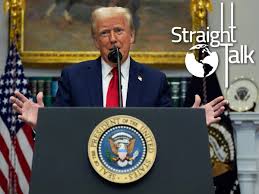
Trump Removes Ban On Discrimination In Federal Workplace
Federal The recent decision by former U.S. President Donald Trump to remove a key regulation banning certain types of discrimination in federal workplaces has sparked widespread debate. Critics argue that the move undermines decades of progress in workplace equality, while supporters claim it streamlines federal hiring processes. To contextualize this action, it is essential to understand the Equal Employment Opportunity Act of 1965 (EEOA) and its foundational role in ensuring fairness and equity in employment.
This article delves into the significance of the EEOA, its evolution, and the potential implications of altering workplace discrimination policies.
Federal Workspace What Is the Equal Employment Opportunity Act of 1965?
The Equal Employment Opportunity Act of 1965 is a landmark piece of legislation designed to eliminate workplace discrimination. The act amended Title VII of the Civil Rights Act of 1964, granting enforcement powers to the Equal Employment Opportunity Commission (EEOC).
Key Provisions of the EEOA
- Prohibited Discrimination
The EEOA prohibits discrimination based on:- Race
- Color
- Religion
- Sex
- National origin
- Scope of Application
- The act applies to employers with 15 or more employees, including federal, state, and local governments.
- It also covers labor organizations, employment agencies, and educational institutions.
- Enforcement by the EEOC
The EEOC was empowered to investigate discrimination complaints, mediate disputes, and file lawsuits against violators. - Affirmative Action
The act paved the way for affirmative action policies to promote diversity and inclusion in hiring practices.
Historical Context
The EEOA emerged during the height of the Civil Rights Movement, reflecting the nation’s commitment to addressing systemic inequalities.
- Pre-1965 Workplace Dynamics: Discrimination in hiring, promotions, and pay was widespread, particularly against African Americans and women.
- Civil Rights Act of 1964: Title VII laid the groundwork for the EEOA, but enforcement mechanisms were limited.
- Catalyst for Change: Activists and policymakers recognized the need for stronger measures to ensure compliance, leading to the passage of the EEOA.
Evolution of Anti-Discrimination Policies
Over the decades, workplace discrimination laws have expanded to include protections for:
- Age: The Age Discrimination in Employment Act (1967) protects workers aged 40 and older.
- Disabilities: The Americans with Disabilities Act (1990) prohibits discrimination against individuals with disabilities.
- Sexual Orientation and Gender Identity: Recent rulings, such as Bostock v. Clayton County (2020), extended protections to LGBTQ+ employees.
These expansions reflect a growing commitment to inclusivity and equal opportunities for all workers.
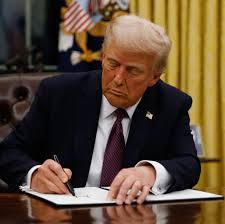
Trump’s Removal of Workplace Discrimination Ban
What Changed?
Trump’s order specifically revoked a policy introduced during the Obama administration, which barred federal contractors and agencies from discriminating based on implicit bias or promoting diversity training programs deemed “divisive.”
Arguments in Favor
- Streamlining Processes: Supporters claim the policy reduced bureaucratic red tape, making hiring more efficient.
- Focus on Merit: They argue that the move promotes merit-based hiring rather than identity-based quotas.
Criticisms
- Erosion of Protections: Critics contend that removing the ban weakens safeguards against discrimination, particularly for marginalized groups.
- Chilling Effect on Diversity Training: The order discourages organizations from addressing systemic biases through training programs.
Implications of the Policy Shift
1. Workplace Equality
The removal may create an environment where implicit biases go unchecked, potentially leading to:
- Reduced representation of minorities and women in leadership roles.
- Increased workplace discrimination complaints.
2. Federal Hiring Practices
Federal agencies and contractors may face challenges balancing nondiscrimination mandates with the relaxed regulatory framework.
3. Legal Challenges
The decision has spurred lawsuits from civil rights organizations, arguing that it violates existing anti-discrimination laws.
Why the Equal Employment Opportunity Act Still Matters
The EEOA remains a cornerstone of workplace equality, embodying the principle that all individuals deserve a fair chance at employment. Despite challenges, its enforcement ensures:
- Accountability: Employers must uphold nondiscrimination standards.
- Economic Equity: Equal opportunities contribute to reducing wage gaps and economic disparities.
- Social Progress: The act promotes a more inclusive society by addressing systemic barriers.
Strengthening the EEOA for the Future
To ensure its continued relevance, policymakers and organizations must focus on:
- Modernizing Protections
Expanding the scope of the EEOA to address emerging forms of discrimination, such as those based on artificial intelligence in hiring. - Enhancing Enforcement
Providing the EEOC with additional resources to investigate and resolve complaints efficiently. - Promoting Awareness
Encouraging diversity and inclusion training to foster understanding and reduce biases.
Conclusion
The Equal Employment Opportunity Act of 1965 is more than just a legal framework; it is a reflection of the nation’s commitment to justice and fairness. Any policy changes that undermine its principles risk reversing decades of progress in workplace equality.
While Trump’s decision to remove the ban on certain types of discrimination in federal workplaces raises concerns, it also highlights the ongoing importance of vigilance, advocacy, and robust enforcement to ensure equal opportunities for all.
As the nation grapples with evolving workplace dynamics, the legacy of the EEOA serves as a reminder of the enduring need for fairness, respect, and inclusivity in the pursuit of the American Dream.
Read more Latest news

